2026 Ford Explorer Tremor Review
2026 Ford Explorer Tremor Review: The Off-Road Family Hauler You Actually Want
MSRP (as tested with 3.0L V6): $62,505
Engine: 3.0L Twin-Turbo EcoBoost V6
Power: 400 hp
Torque: 415 lb-ft
Acceleration (0-60 mph): 5.2 seconds (est.)
Fuel Economy: 18 City / 25 Highway / 21 Combined MPG
Guy who did stuff: Yousef Alvi
Photography: Manufacturer
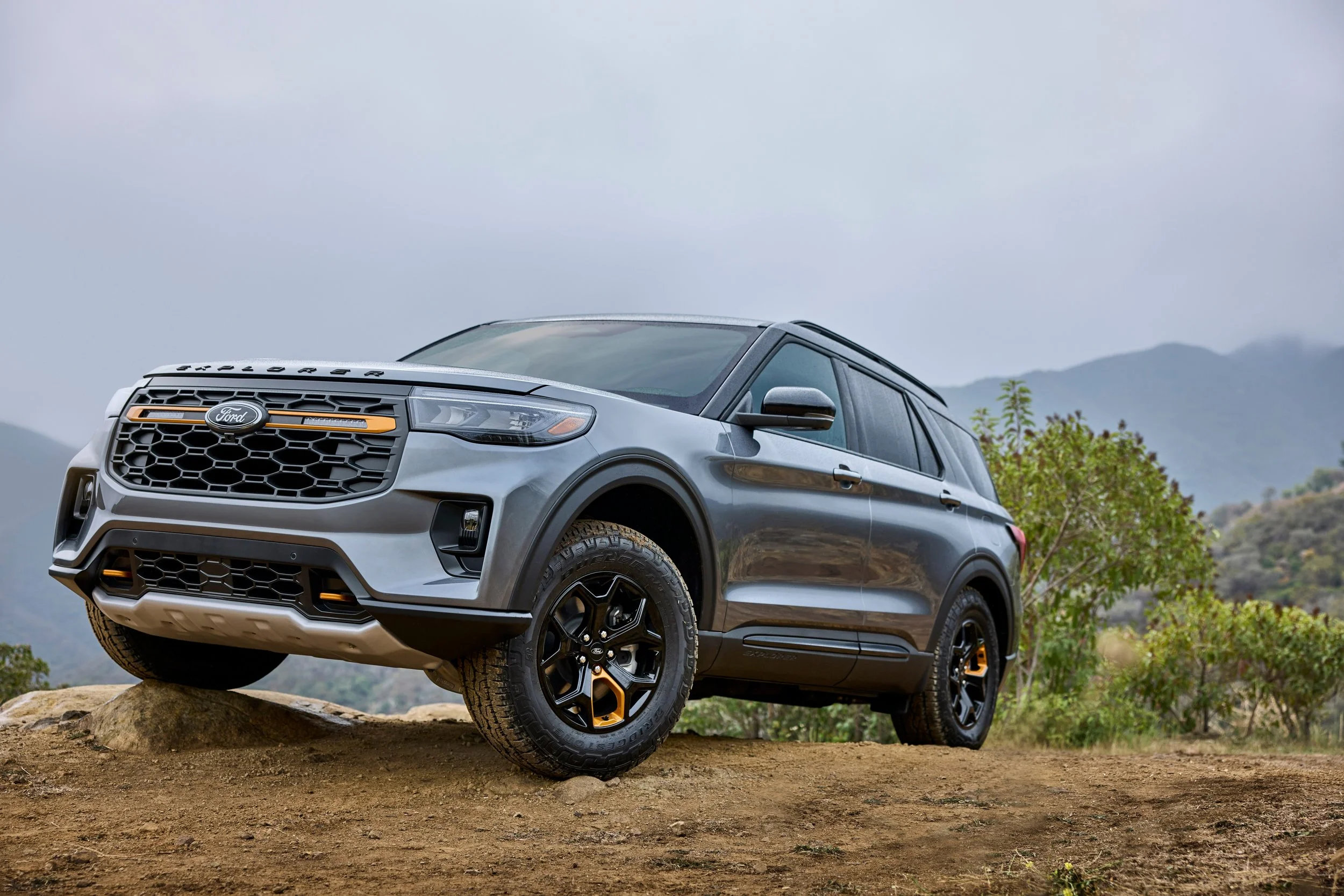
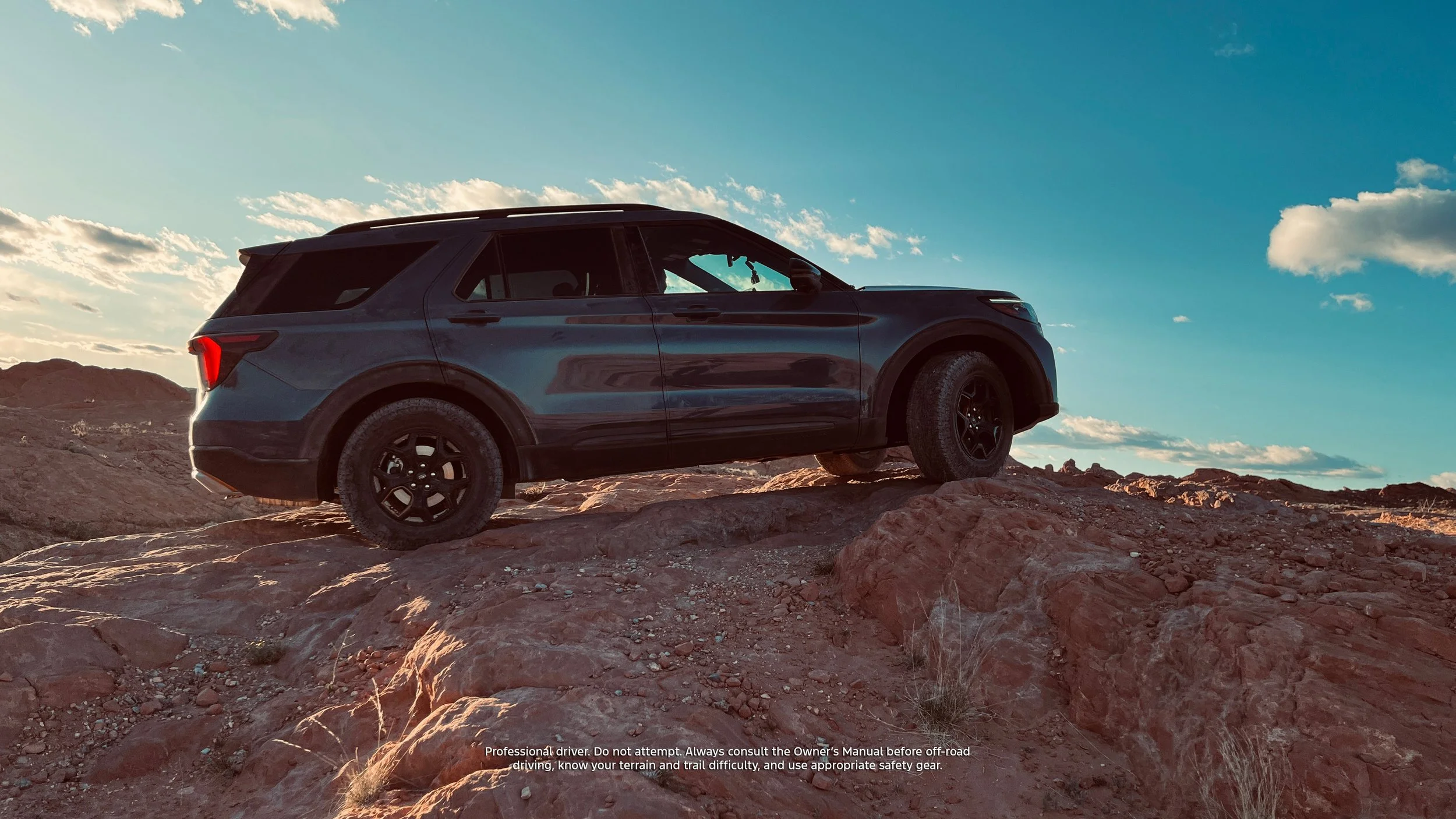
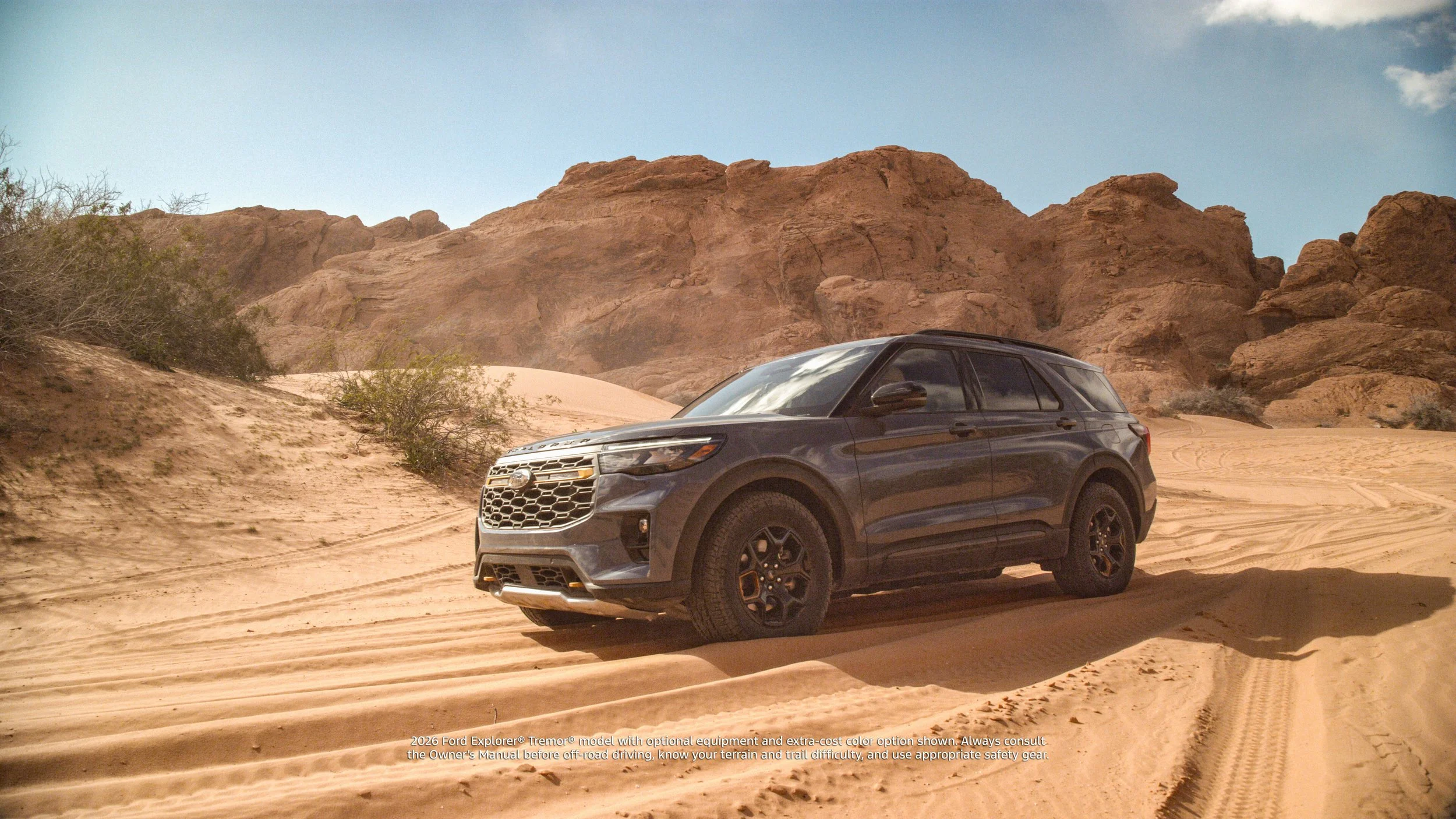
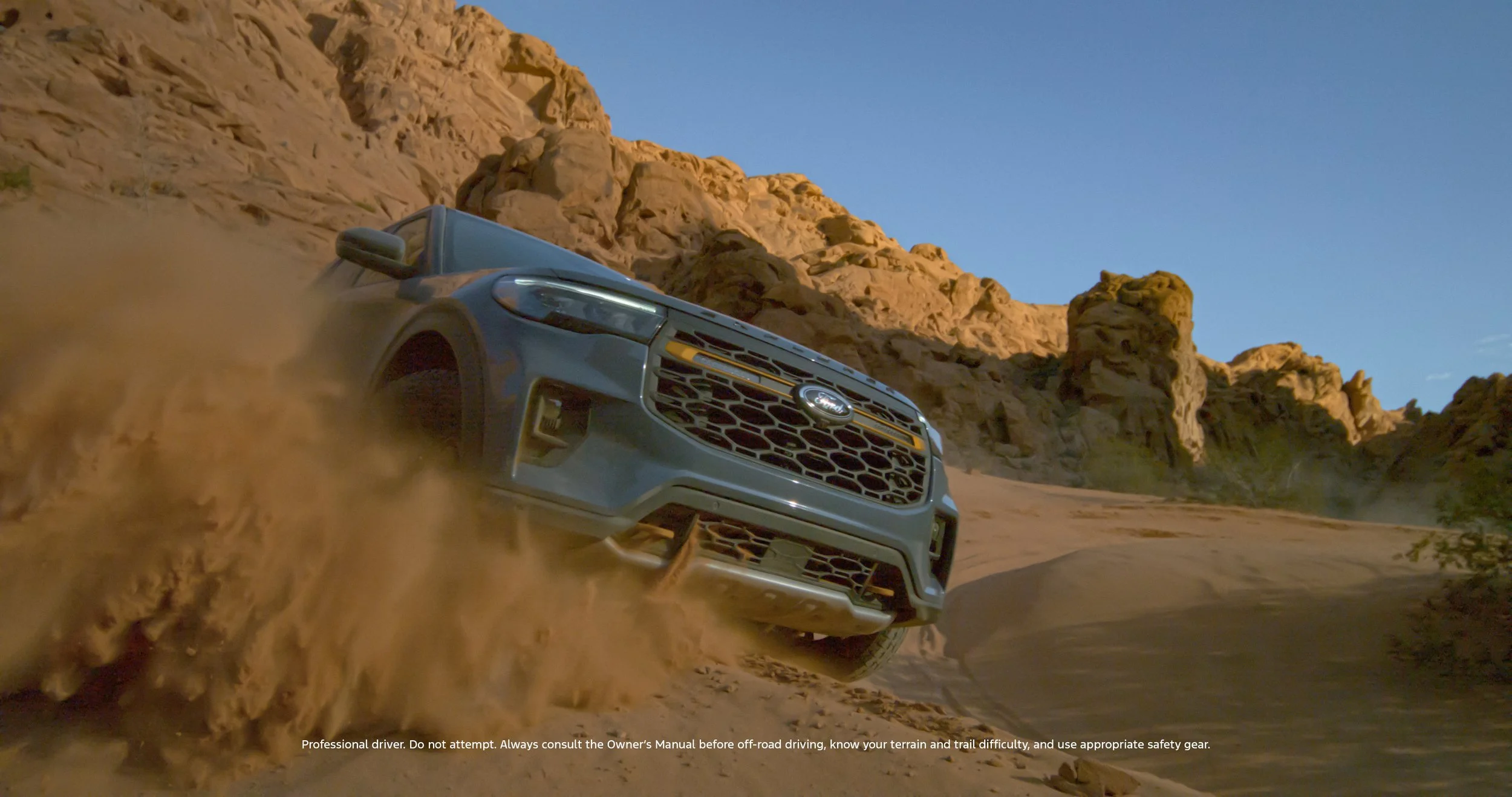
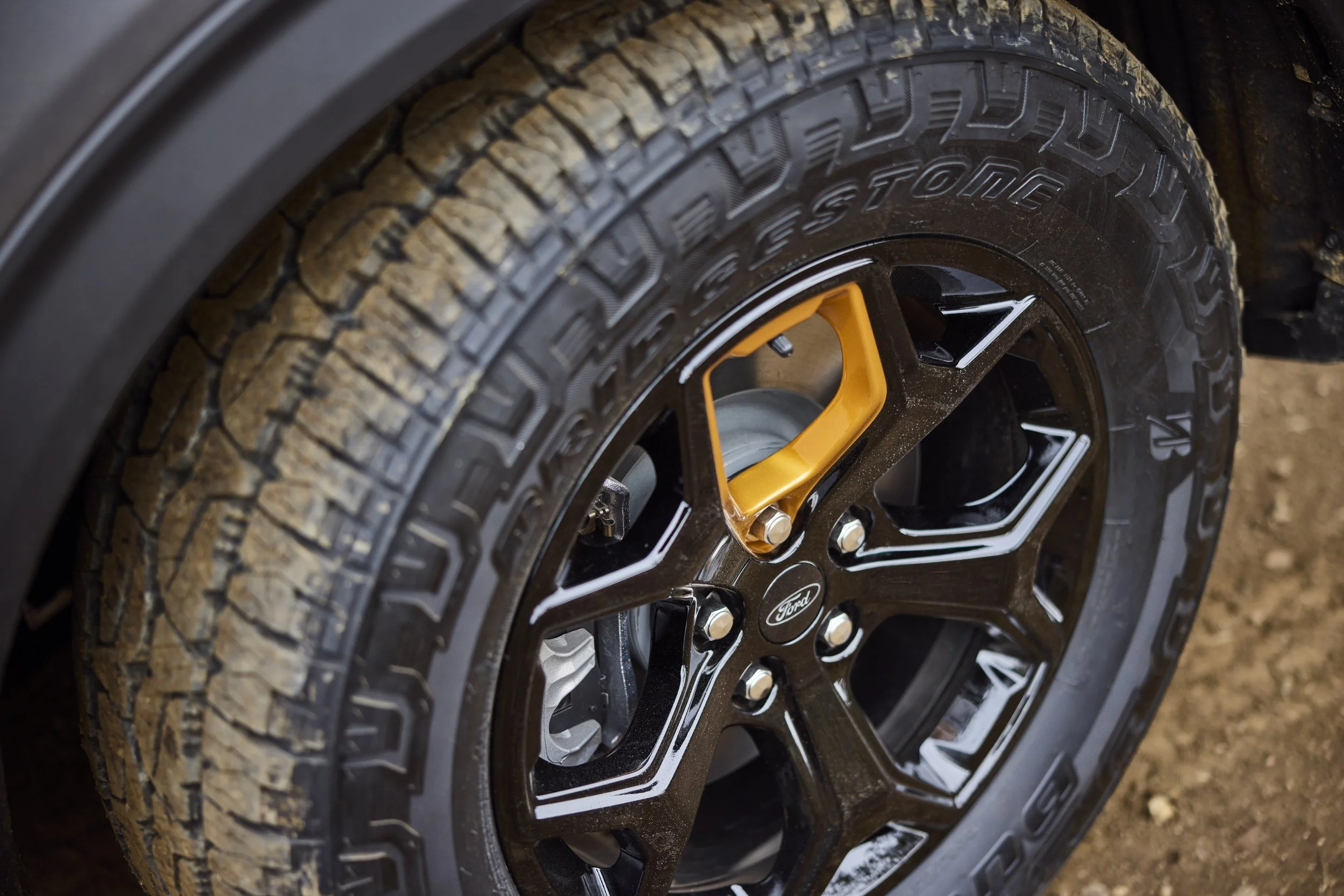
The Explorer has finally been blessed with the Tremor line for 2026. If you’re not familiar, the Tremor is arguably the best trim line to get on any available Ford vehicle. It’s 75% Raptor without the "eye-watering" price tag and, admittedly, without the full Raptor power. But what you do get is a brilliant suspension that can careen over a boulder and waft softly down the highway with no issues in between. It gives you meaty 18-inch All-Terrain tires that deliver enough grip to get you out of any muddy rut or up an icy hill. It also delivers enough underbody cladding to ensure you don’t tear a hole in your oil pan, along with orange accents and unique trim pieces to ensure you aren't just blending in at your local Home Depot.
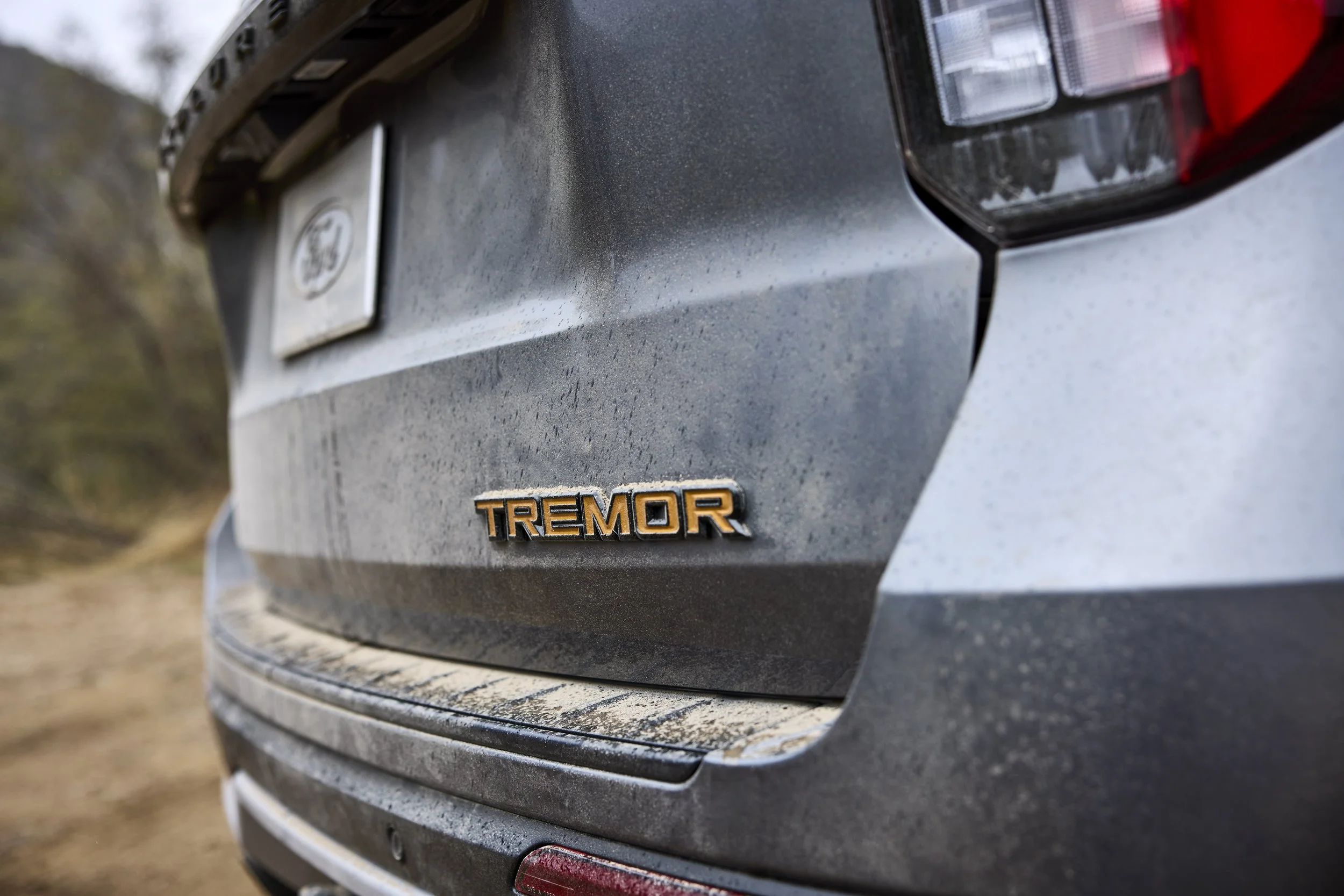
For the Explorer, what the Tremor package does is completely transform a nice but rather forgettable SUV into something else entirely. Fitted with the optional 3.0L Twin-Turbo V6, the Tremor-fied Explorer—with its added suspension lift, orange accents, and rugged grille—gives an unmistakable attitude on the road. Rolling through your child’s carpool lane is now an exclamation point instead of a forgettable blob.
Driving the Explorer Tremor further yields the benefits of this transformation. The ride is nothing short of first-rate. It’s smooth and predictable; and while the steering could use more feedback, it’s still direct and easy to modulate. The RWD-based architecture of the Explorer yields a beautiful "shove" rather than the obligatory "pull" you get from almost every other crossover on the road today. Pair that with the beauty that is the 3.0L V6, and you get a driving experience you won’t find elsewhere in this segment.
That optional engine makes a stout 400 horsepower and 415 lb-ft of torque. To put that into perspective, the Explorer makes 135 more HP than the Toyota Highlander, 109 more than the Hyundai Palisade, and 115 more than the Honda Pilot. Math is not my strong suit, but I’m pretty sure that is a lot. While those other models do "just fine" moving under their own power, the Explorer has a gnarly snarl that erupts you into triple-digit territory in a disconcertingly short amount of time. It’s stupendous.
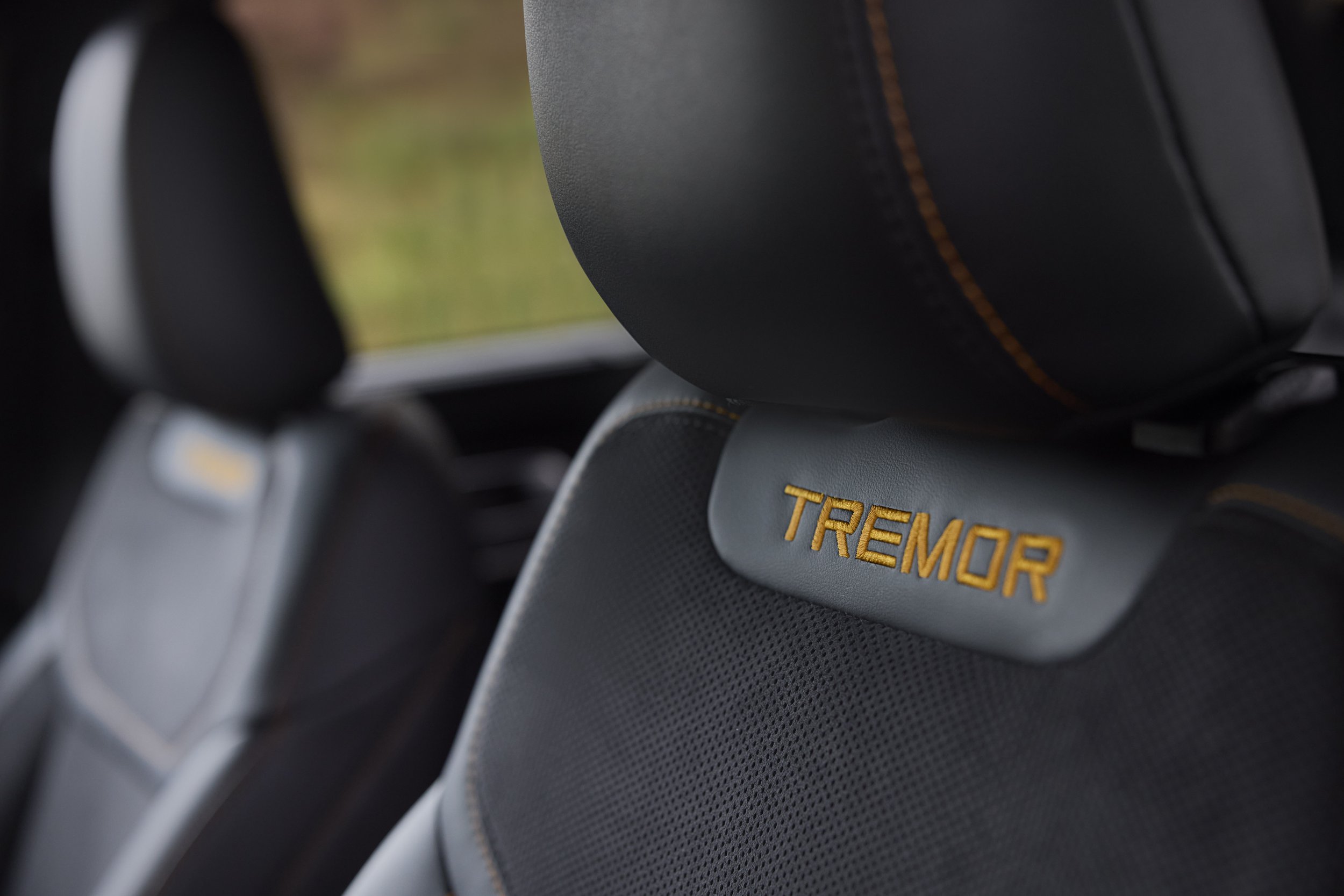
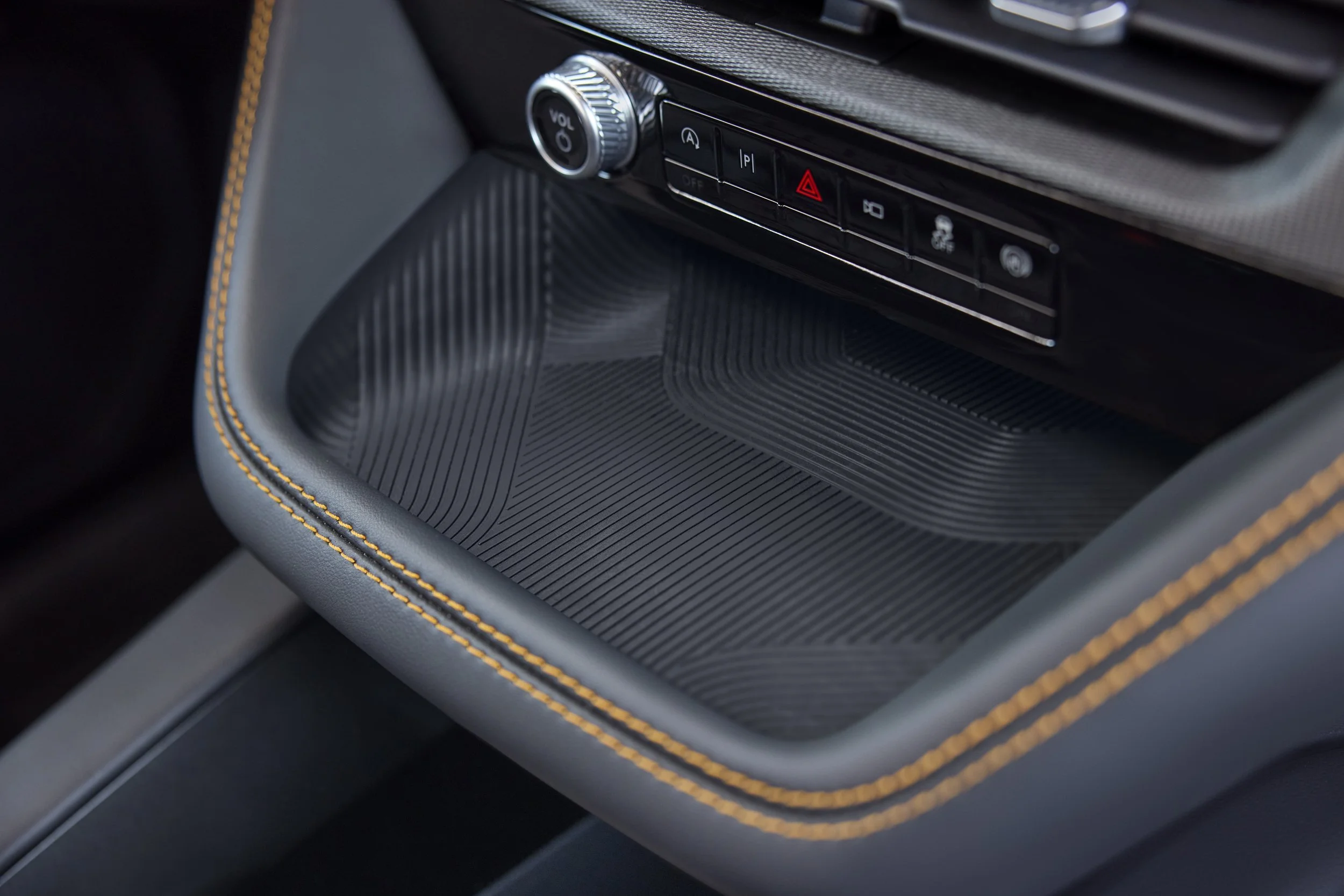
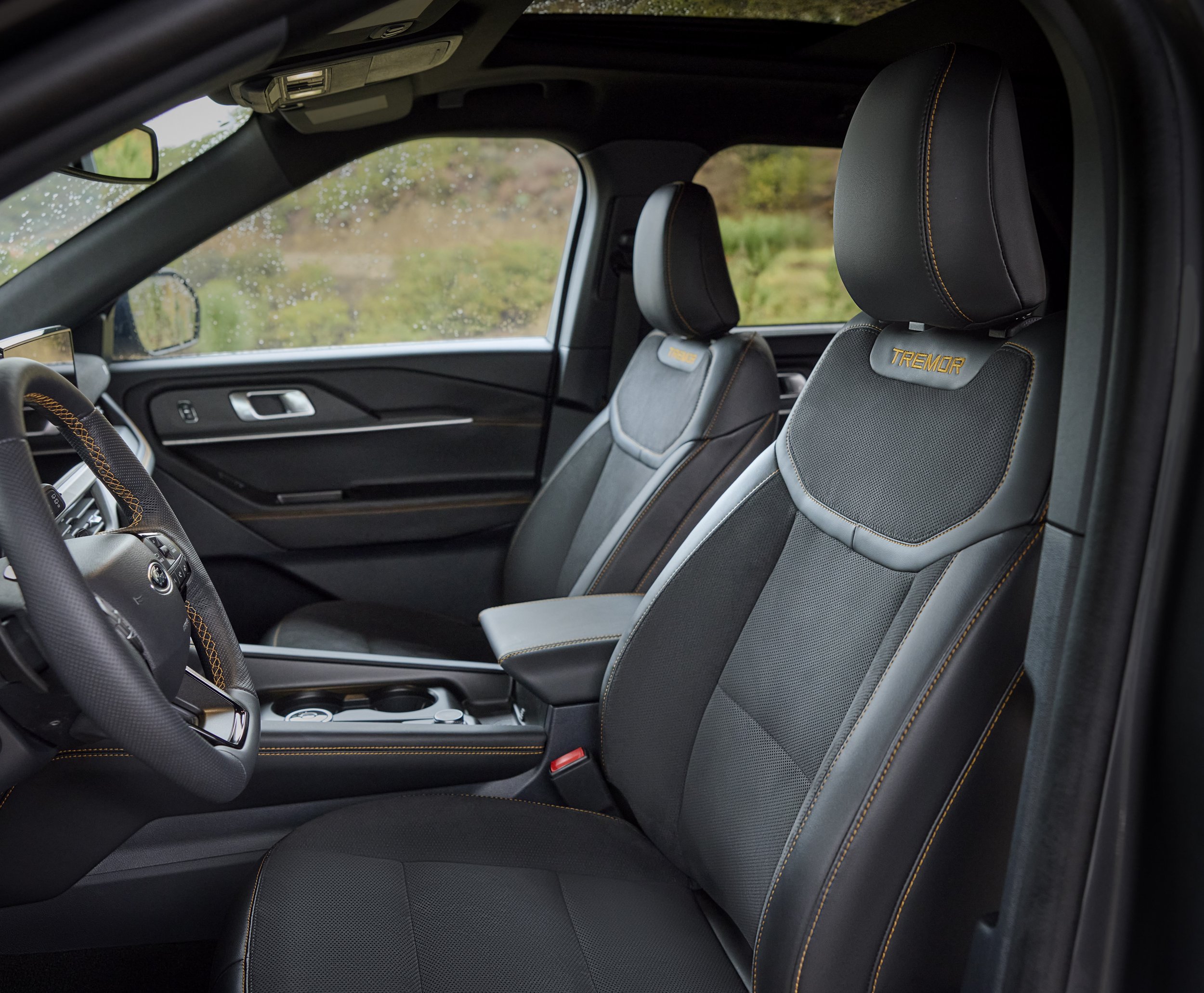
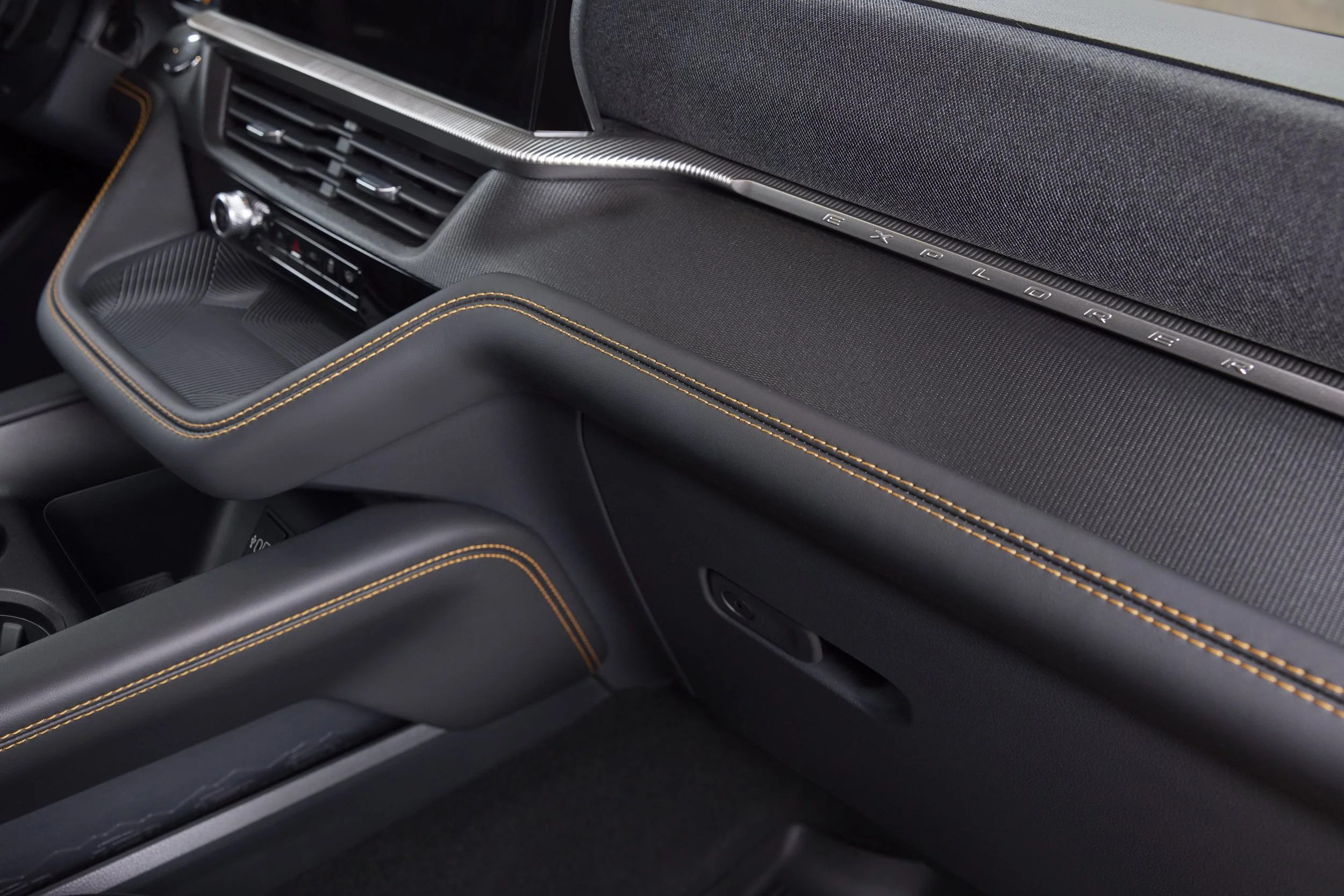
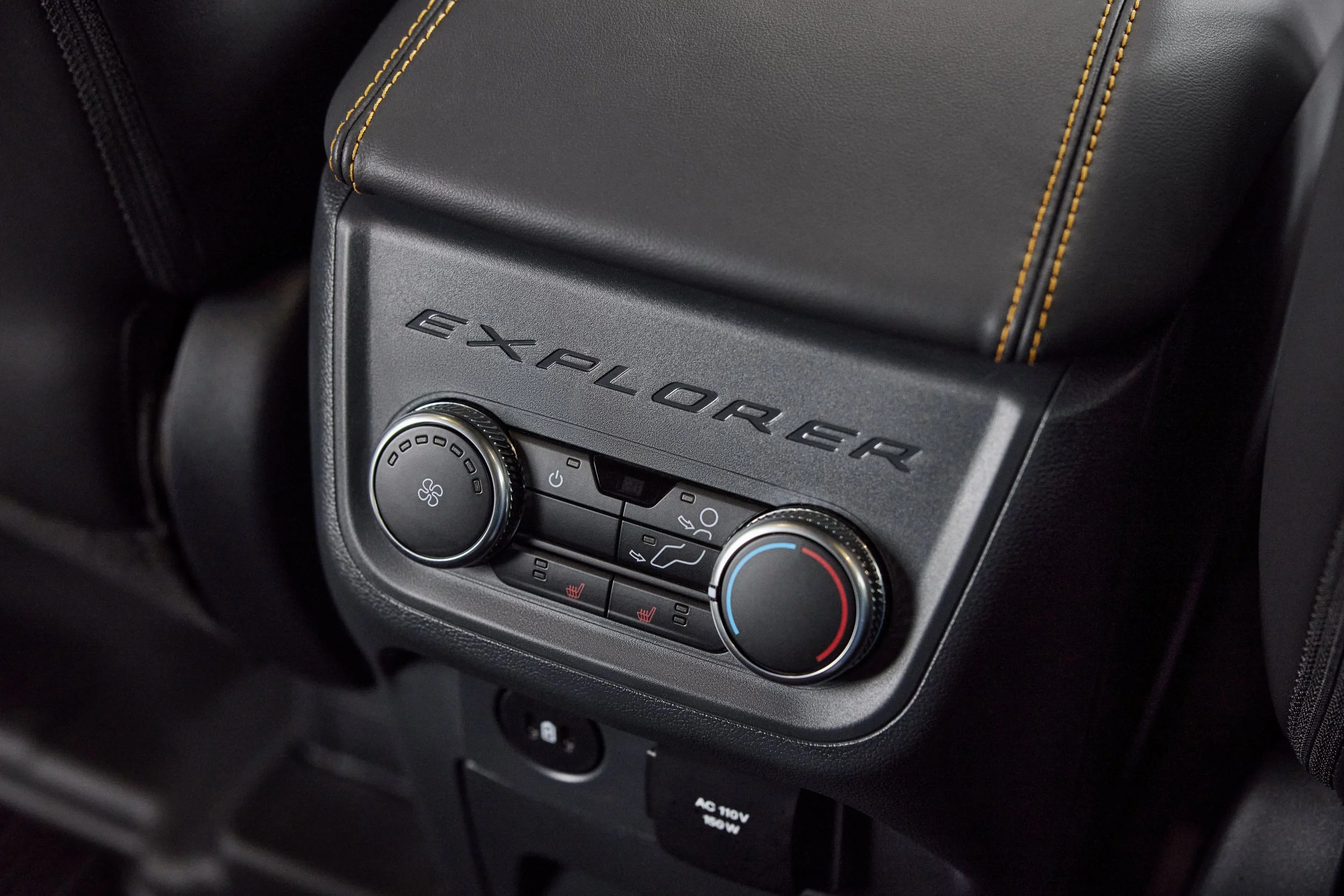
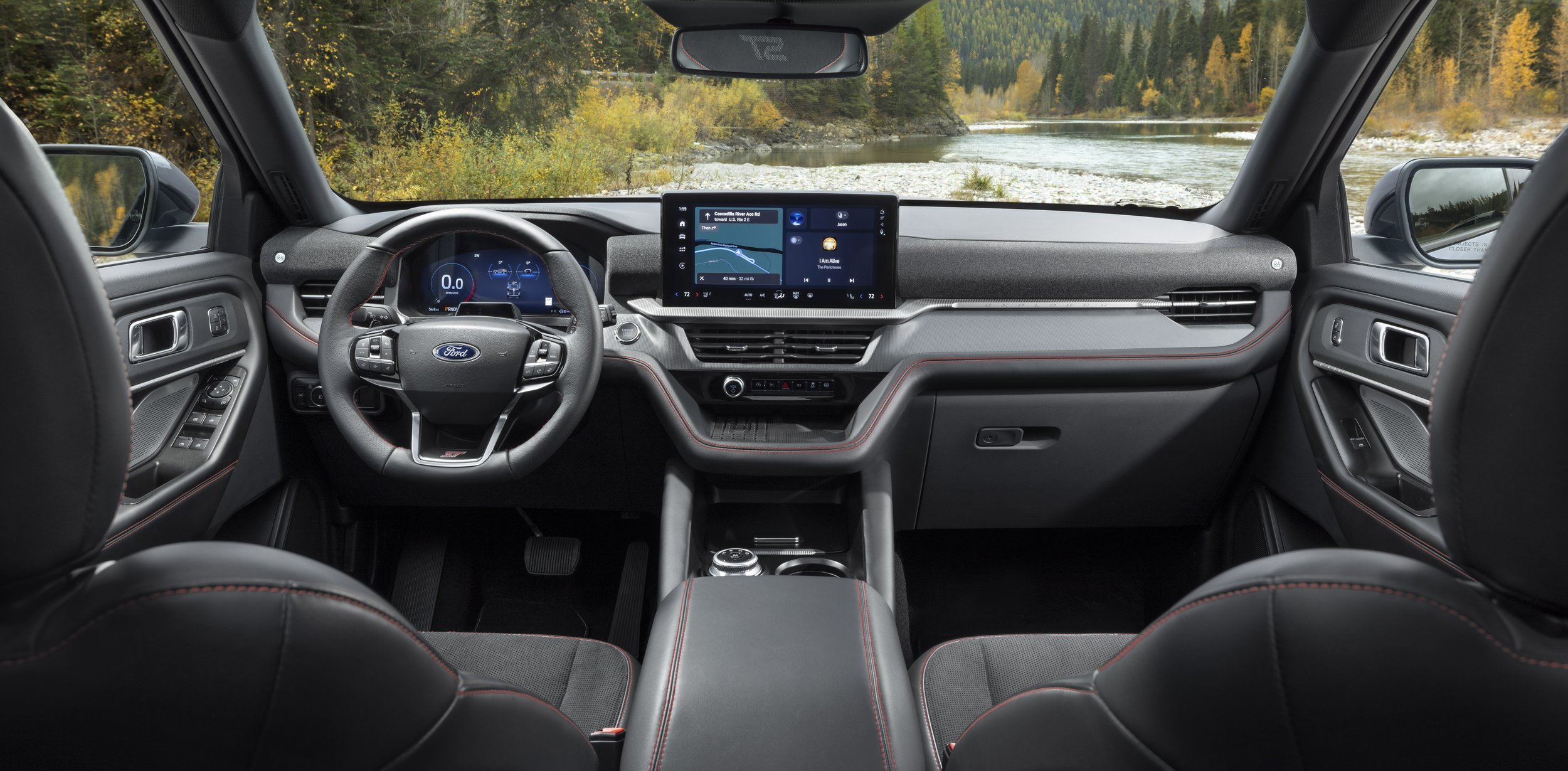
The interior is another lovely gem. First, the seats are the best in their class. Period. Bar none. They are extremely comfortable, supportive, and blessedly lined with ActiveX seating material and durable Miko inserts. The orange stitching gifts the cabin some flair and creates a very relaxing place to sit. Second, ergonomically, the Explorer is a masterclass in interior design. EVERYTHING is within mere inches of reach from the steering wheel! It’s so refreshingly simple yet genially thought out; it’s shocking how bad other crossovers are in comparison. Other models require you to lean, bend, or stretch just to adjust a simple setting. That’s not just a pain, it’s dangerous. The Explorer takes mere inches of movement, and it’s so easy to use that you build muscle memory after only a few minutes. You can operate the Explorer like you did back in the early aughts, where you nary glanced down to adjust something—you let your fingers do the talking instead. The only real issue is one found in every new FoMoCo vehicle nowadays: the temperature controls are UI-only. Which is just a "no." Just "no."
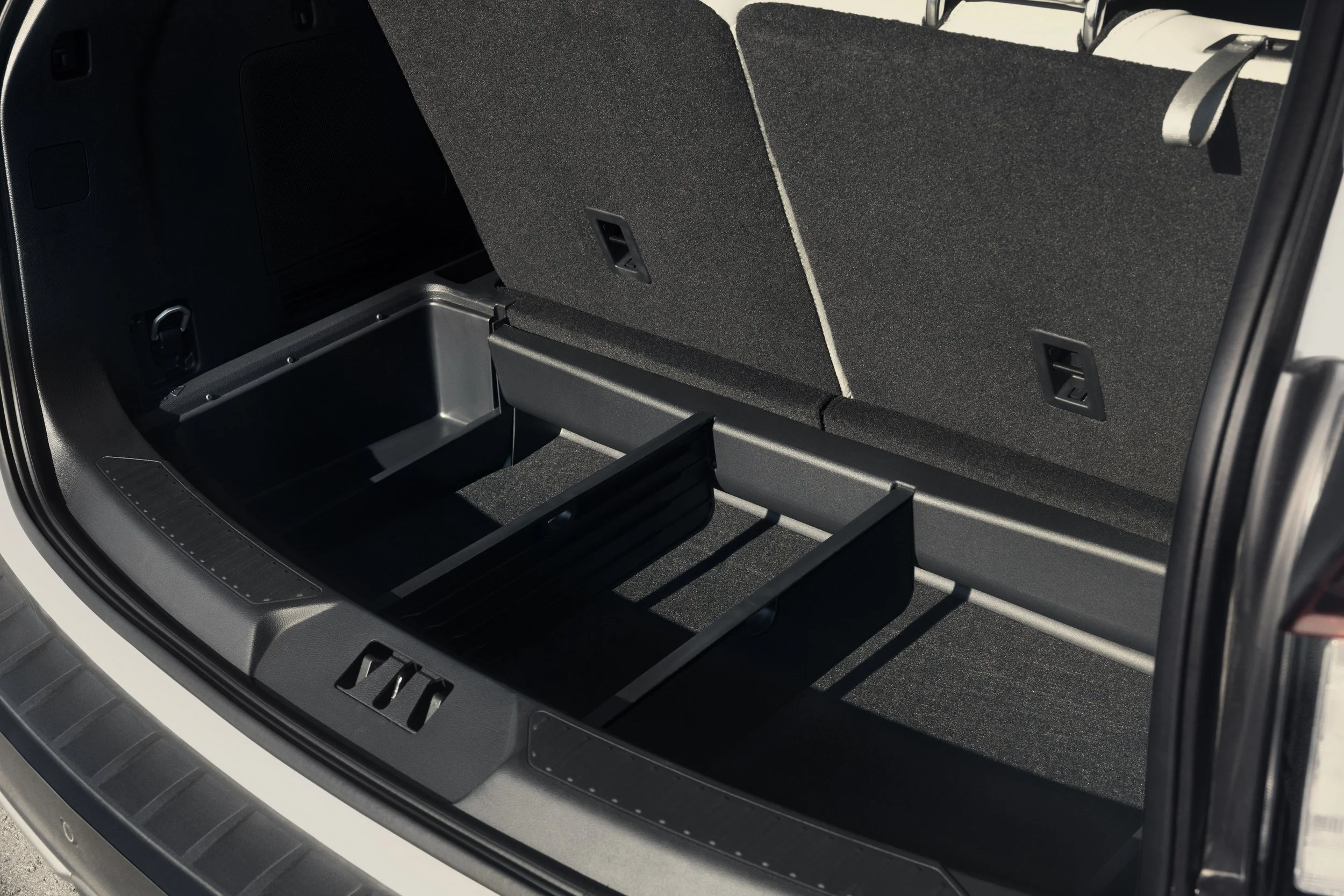
Space-wise, the Explorer sits squarely in the "in-betweener" slot. While the front row is actually more generous than the Pilot—offering 43 inches of legroom versus the Honda’s 41—things get tighter as you move back. The Explorer’s 152 cubic feet of total passenger volume feels a bit pinched when compared to the 158 cubic feet in the Hyundai Palisade or the massive 167 cubic feet in the Toyota Grand Highlander. Even the standard Highlander, often criticized for its snugness, manages 141 cubic feet of passenger volume, which makes the Explorer feel like a significant step up, but not quite a class-leader in sheer airiness. Pulling a shoulder handle enables the second row to slide and tilt forward to access the third row, which is really only appropriate for children. Legroom is tight back there at just under 32 inches; while that beats the standard Highlander’s cramped 28-inch third-row "jump seat," it still loses out to the Grand Highlander’s civilized 33.5 inches. With the third row up, the Explorer yields 16.3 cubic feet of cargo room, and with it folded down, it yields 46 cubic feet (opening up to a maximum of 85.3). While that is slightly less than the cavernous 87 cubic feet in the Honda Pilot, it remains highly competitive and more than enough for a weekend at the cabin.
Ultimately, the Tremor is the version of the Explorer that finally finds its soul. It’s rugged, it’s fast, and it’s actually fun to live with.
Yousef Alvi