2026 Lincoln Navigator: A Digital Spa in a Shaking Box
2026 Lincoln Navigator: A Digital Spa in a Shaking Box
Base Price: ~$95,000 (Reserve) / ~$120,000 (Black Label)
Engine: 3.5 Liter Twin-Turbo V6
Output: 440 HP / 510 TQ
The Vibe: Over-engineered and Under-damped
— Guy who did stuff: Yousef Alvi
Photography: Manufacturer—
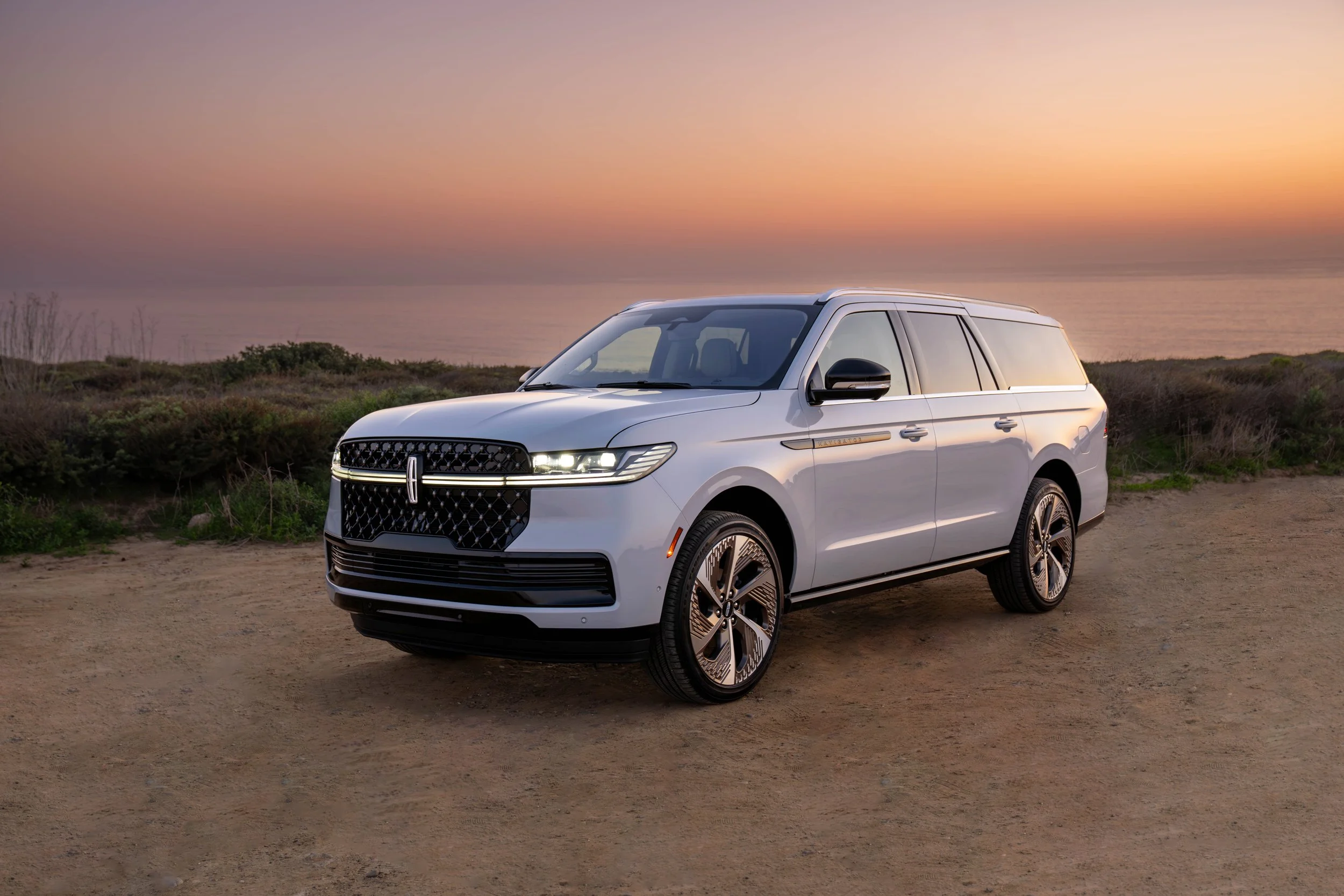
There was a time, not very long ago, when the Lincoln Navigator was the absolute pinnacle of American luxury. It didn’t try to be a German sport-sedan in a fat suit, and it didn't try to be a rolling smartphone. It was just a big, unapologetic barge with sumptuous switchgear, a ride that felt like it was suspended on actual clouds, and controls so simple you could operate them while half-asleep. You could reach out, feel the cold click of a physical dial, and know exactly what you were doing without ever looking away from the road. It was a pure joy. But for 2026, Lincoln has decided that what luxury buyers actually want is to be drowned in technology until they’re gasping for air.
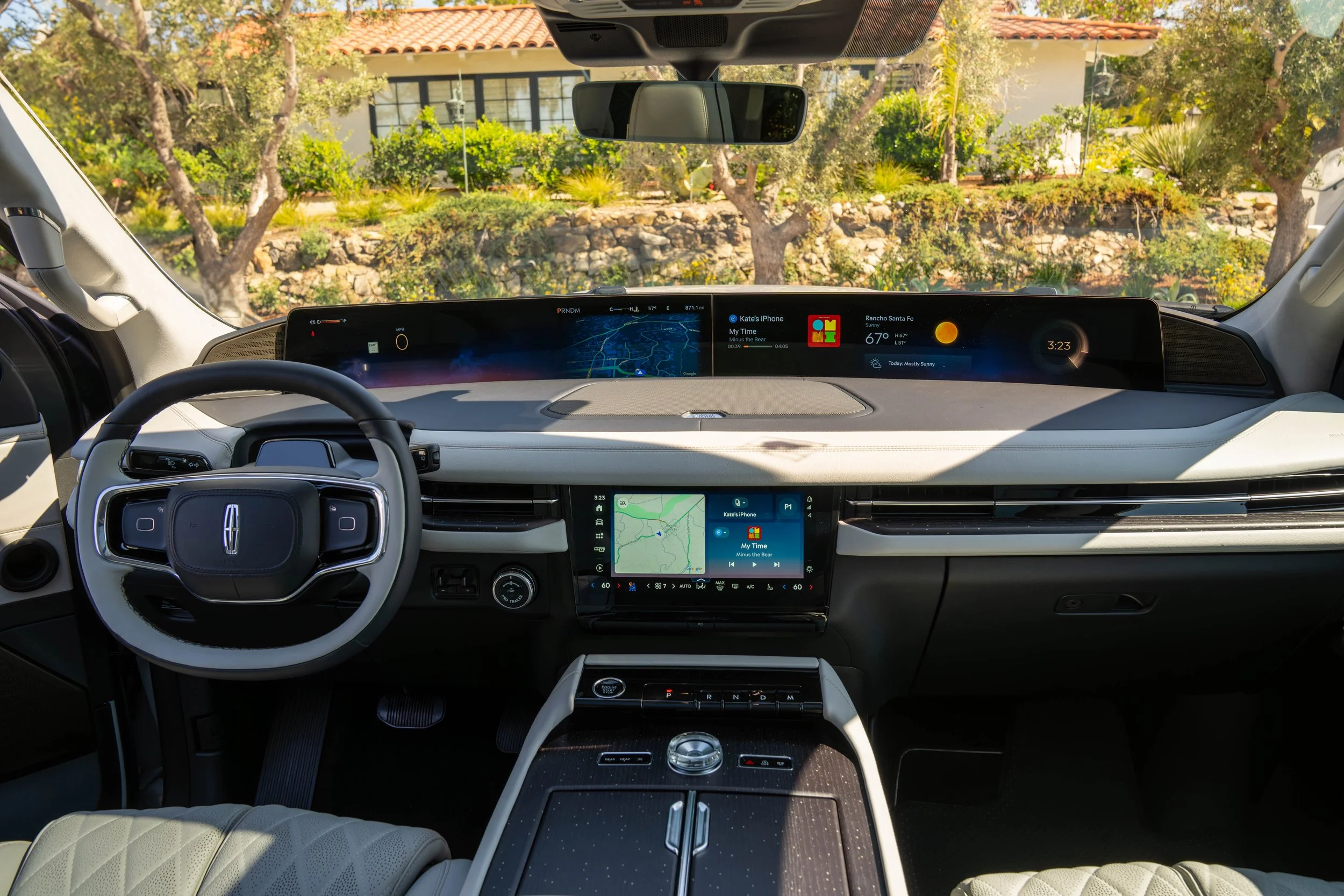
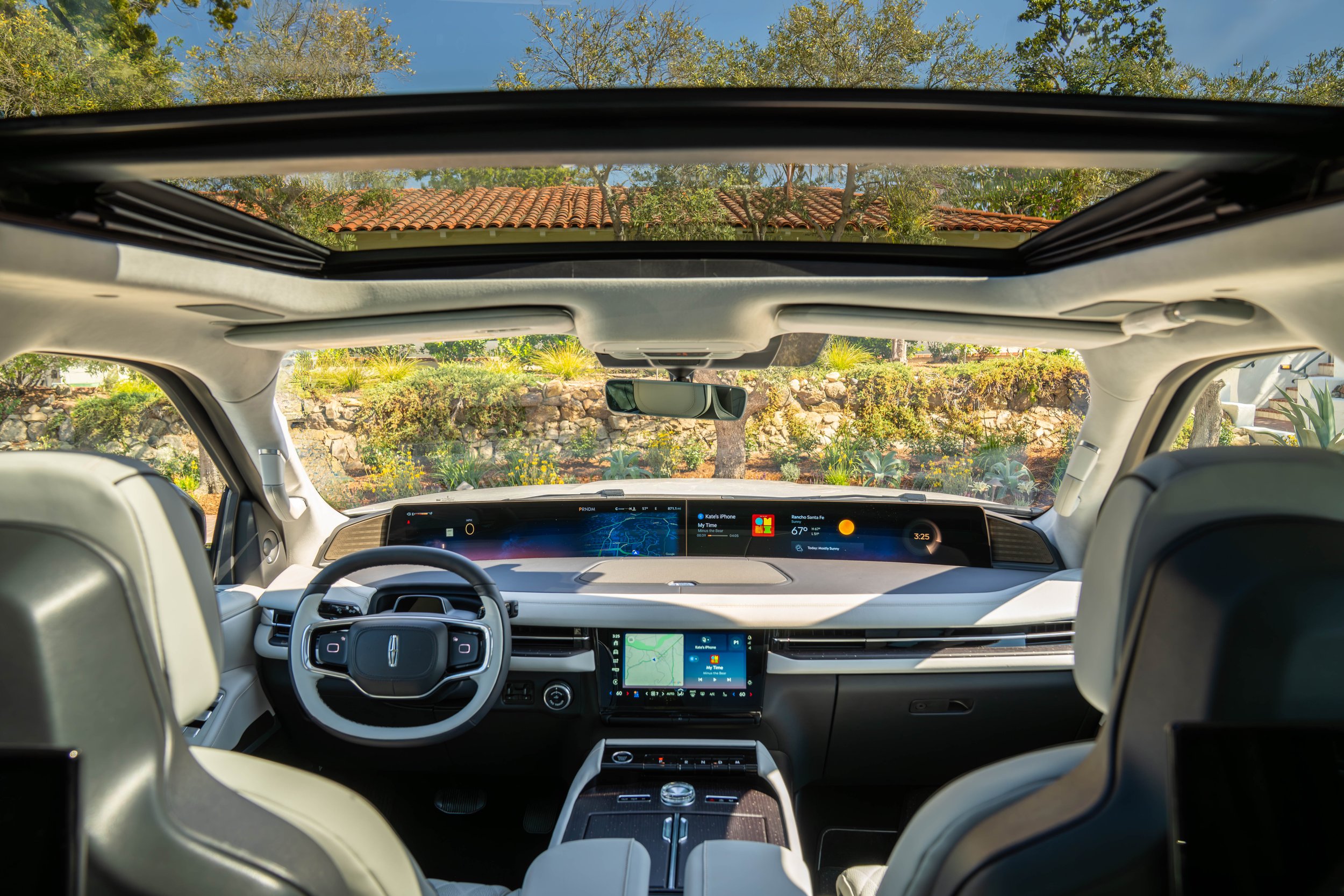
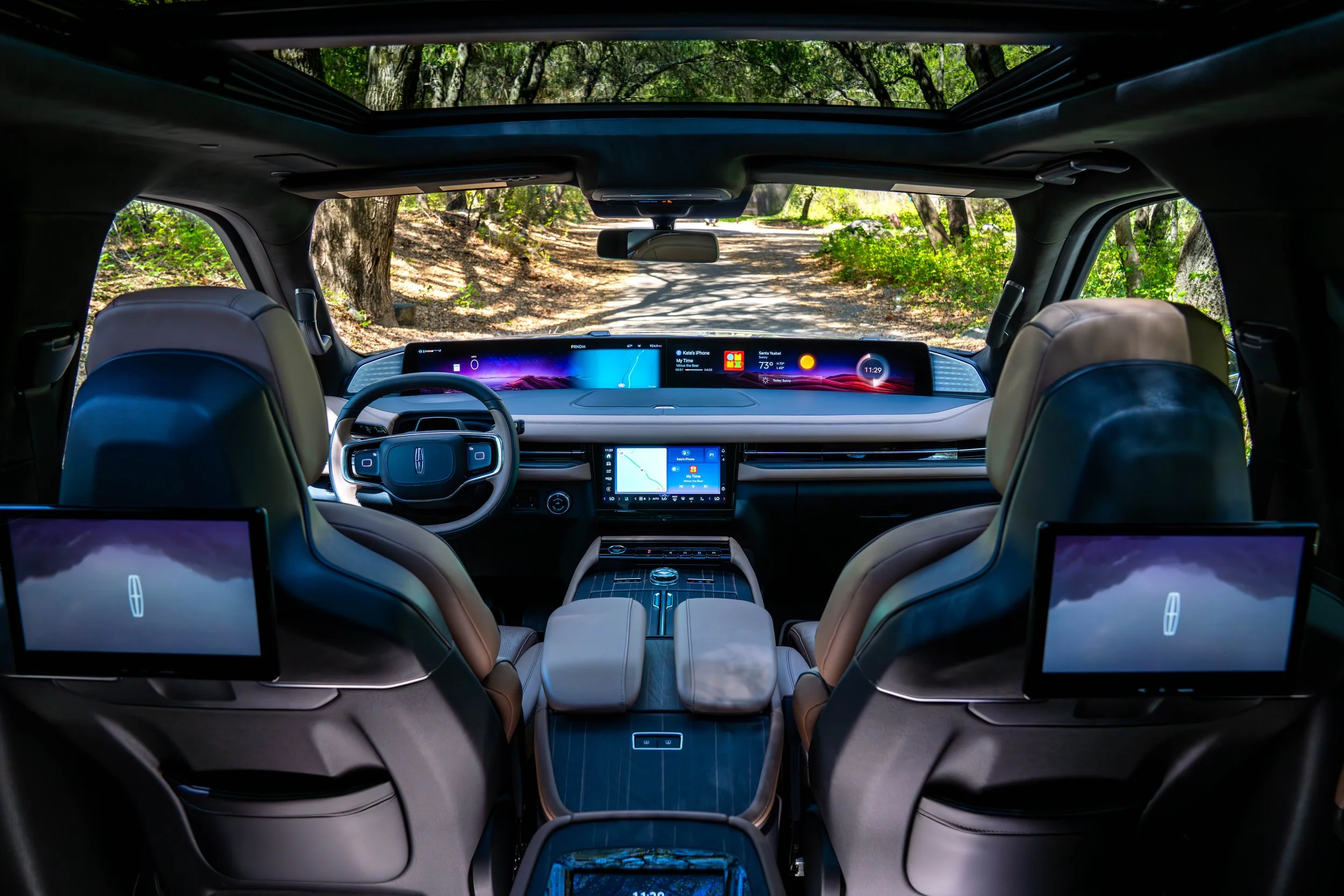
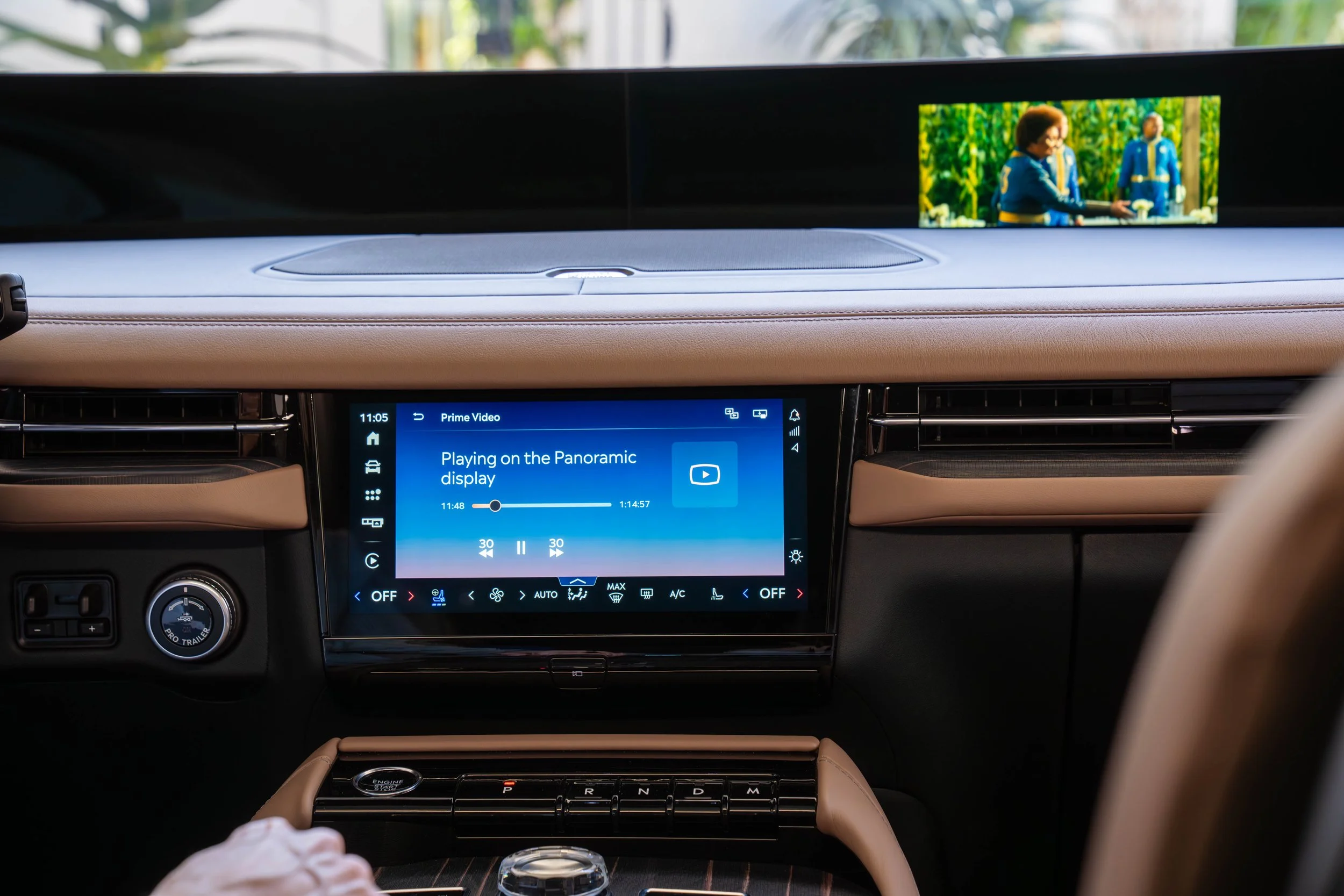
Let’s start with the "tech-forward" cabin, which feels less like a sanctuary and more like a Best Buy showroom that’s trying too hard. Lincoln has replaced almost every physical interaction with a screen—specifically, a massive 48-inch panoramic display that spans the entire dashboard. You want to adjust the air vents to keep the AC from freezing your knuckles? Sorry, you have to dive into the UI for that. There are no tabs to slide, no wheels to turn—just a digital slider on a glass screen. It’s a classic case of engineers solving problems that didn’t exist, and in the process, they’ve killed the effortless elegance that once defined this brand. Even the side-view mirror controls have been relegated to the digital abyss. Want to move your glass? Good luck finding the right sub-menu before the light turns green.
However, while the tech is mostly overwhelming and unnecessary, there is one piece of wizardry that—on paper—sounds like a pure marketing pitch that no one would ever actually use. It’s called "Rejuvenate Mode," and I hate to admit it, but it’s divine. When you’re parked, the car essentially turns into a sensory deprivation tank. The seat reclines, the 28-speaker Revel system pumps in localized soundscapes, the 48-inch screen displays immersive visuals like the Aurora Borealis, and a "digital scent" is pumped through the vents. It sounds gimmicky as hell, but it actually works. It manages to lower your heart rate and physically reset your brain in a way that almost makes the $120,000 cost of admission worth it. It’s the one time the technology feels like it’s serving you rather than demanding your attention.
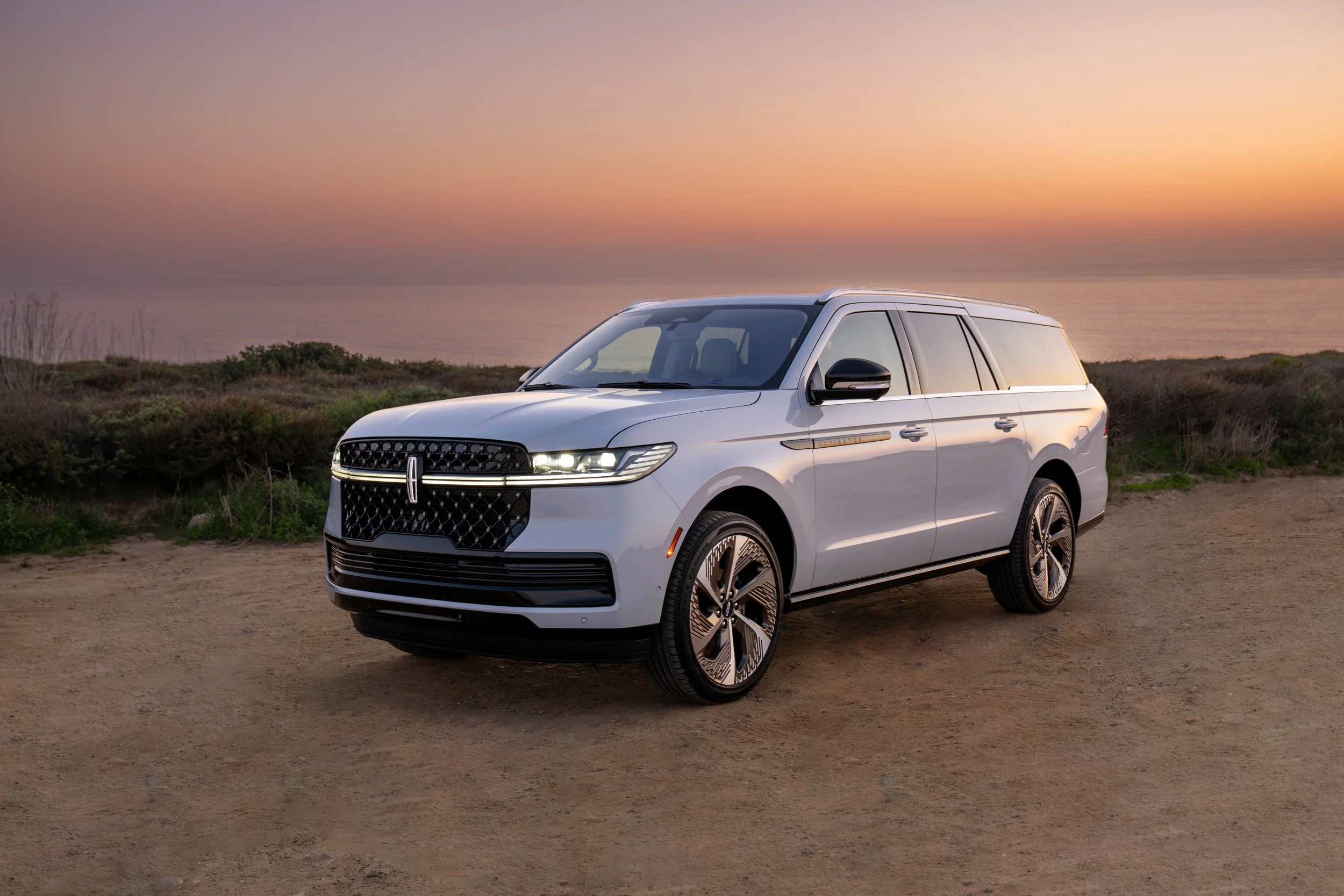
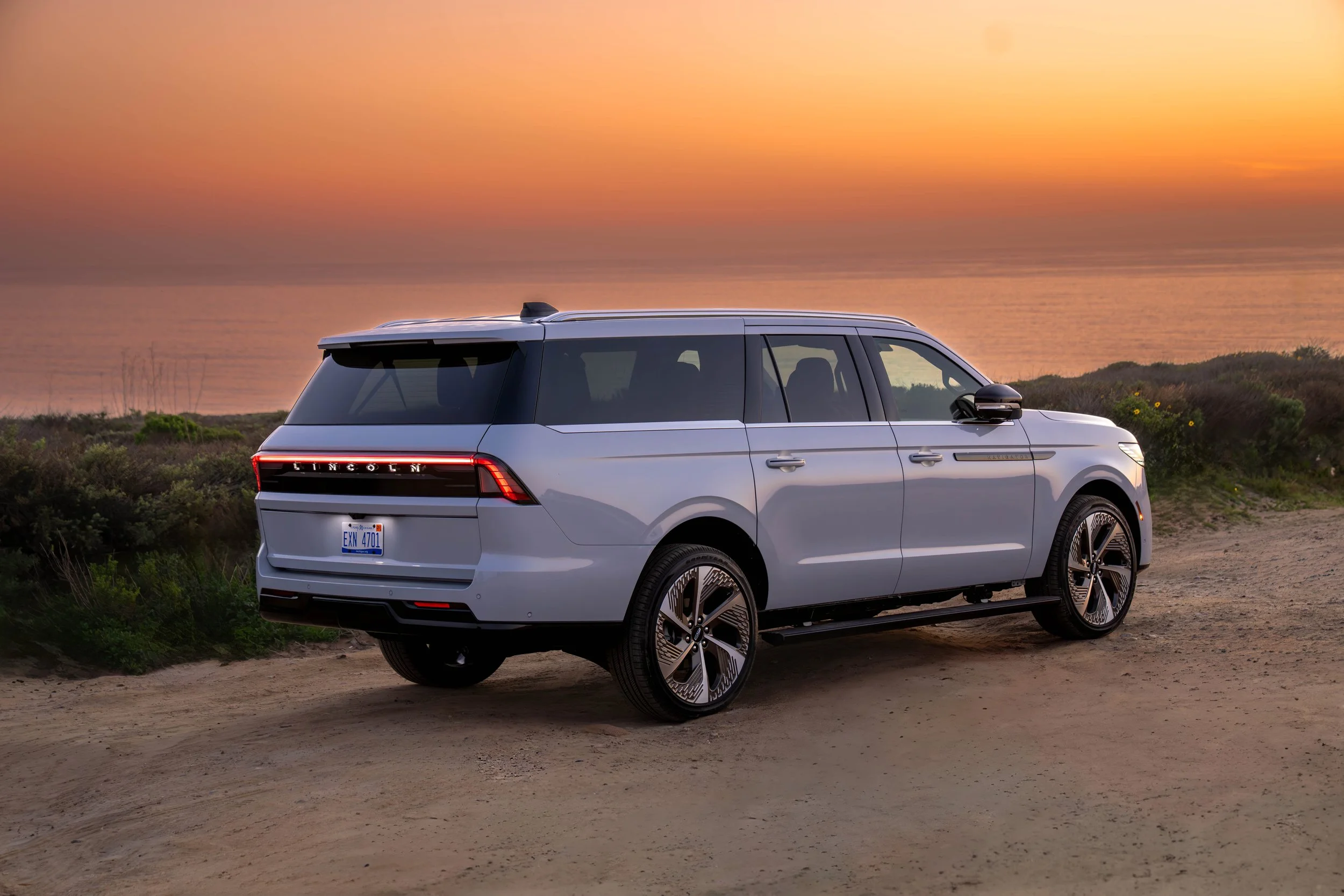
But then, you start driving again, and the reality of the 24-inch wheels sets in. In an effort to look "bold" at the valet stand, Lincoln has slapped these massive rollers on the Black Label trims. They look impressive in a brochure, but on actual American pavement, they are a disaster. These wheels have so little sidewall that they effectively bypass the adaptive suspension, sending every vibration, expansion joint, and pebble directly into your spine. For a six-figure luxury SUV, the jittery, crashy feedback is inexcusable. The previous generation would have glided over these imperfections with a shrug; this new one handles them with a shudder. It’s as if Lincoln forgot that a "sanctuary" shouldn't feel like it’s vibrating your dental work loose.
The most frustrating part of this digital transformation is that the bones underneath are still excellent. The twin-turbo V6 is a powerhouse, delivering 510 lb-ft of torque with a velvet-hammer delivery that makes merging a breeze. But you have to ask yourself what you’re actually paying for. Is it the luxury of struggling to adjust your mirrors? Or the privilege of feeling every crack in the asphalt through a 24-inch rim?
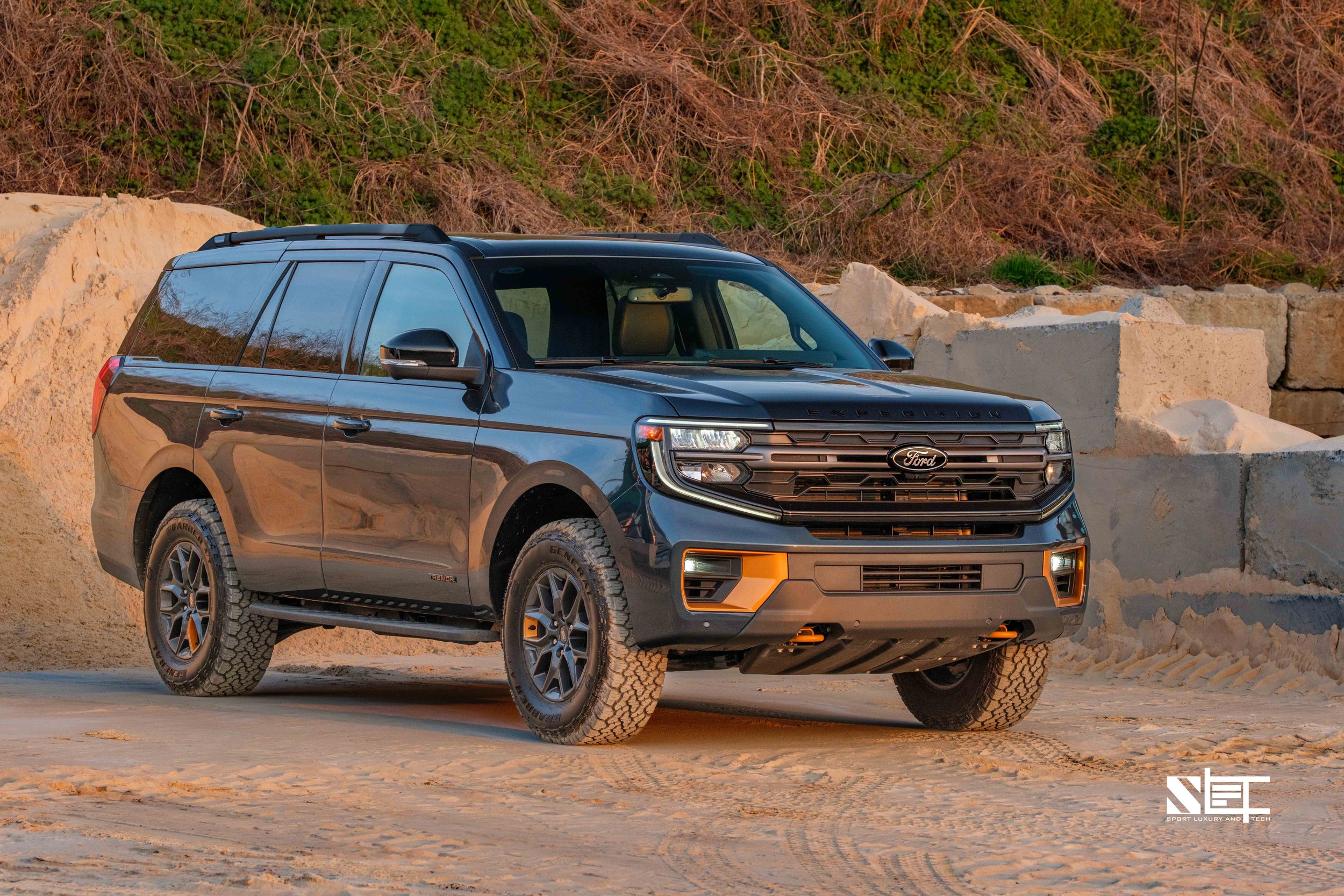
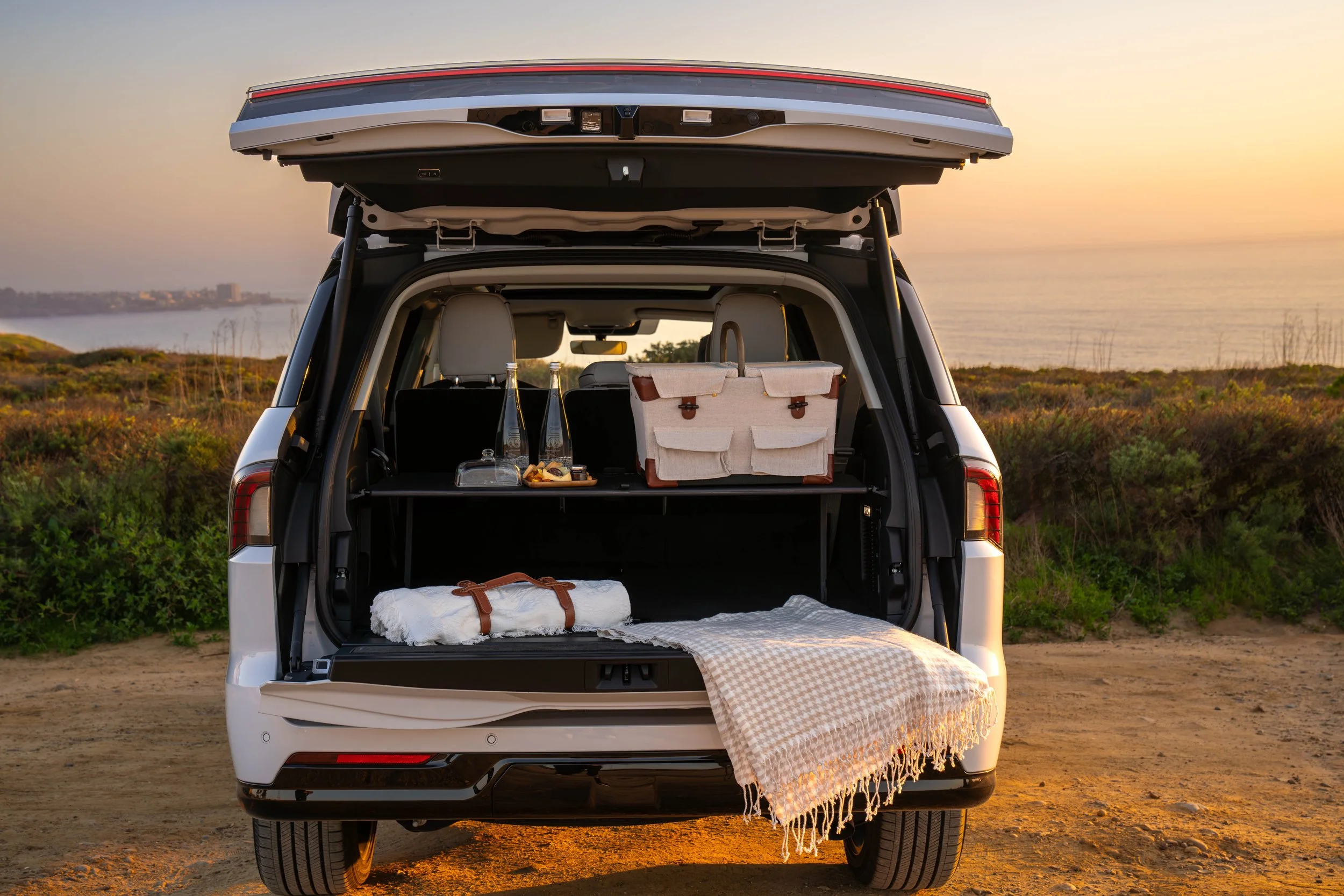
If you want a full-size SUV that actually makes sense, walk across the showroom floor to the Ford side. The 2026 Ford Expedition—particularly in the new Tremor guise—is a far more promising proposition. It gives you the same powerhouse mechanicals and the same cavernous space, but it keeps a level of rugged utility and logical control that the Navigator has abandoned. The Expedition Tremor, with its beefier tires and focused suspension, actually rides better on the street because it has enough rubber to absorb the world. If I’m spending my hard-earned money on a vehicle to carry my family, I’m taking the Ford every single time. The Navigator might be a "spa" when it’s parked, but I’d rather have a truck that just works when it’s moving.
Yousef Alvi