2026 Ford Ranger Lariat Review
2026 Ford Ranger Lariat Review: The Best Daily Driver in a Three-Way Fight?
Quick Specs:
Price: Starting at approximately $49,230 (as tested)
Engine Power & Torque: 270 horsepower / 310 lb-ft of torque
Engine Size/Specs: 2.3L EcoBoost Inline-4 Turbocharged
Fuel Economy (MPG): 20 City / 24 Highway / 22 Combined
Guy who did stuff: Yousef Alvi
I remember a time when mid-size trucks were the compromise. You bought one because you couldn’t fit an F-150 in your driveway or because your wallet wouldn’t allow for the extra cylinders. But things have changed. The 2026 Ford Ranger Lariat isn't trying to be a "junior" truck anymore. It’s trying to be the only vehicle you need.
Before we dive into the nuts and bolts, let’s look at the scoreboard. I’d include the Nissan Frontier in this comparison, but the reality is that no one is really buying the Frontier anymore. Frankly, I’m constantly betting my money on a Nissan bankruptcy by the end of the decade. Last year, the market made its preferences very clear: the Toyota Tacoma moved a staggering 274,000 units, while the Chevy Colorado cleared about 108,000. Ford followed with roughly 71,000 Rangers—a number that finally reflects a recovery from the supply chain nightmares that hobbled the truck's launch. This is now a three-way fight for the crown, and the Ranger Lariat is Ford's bid for the top spot.
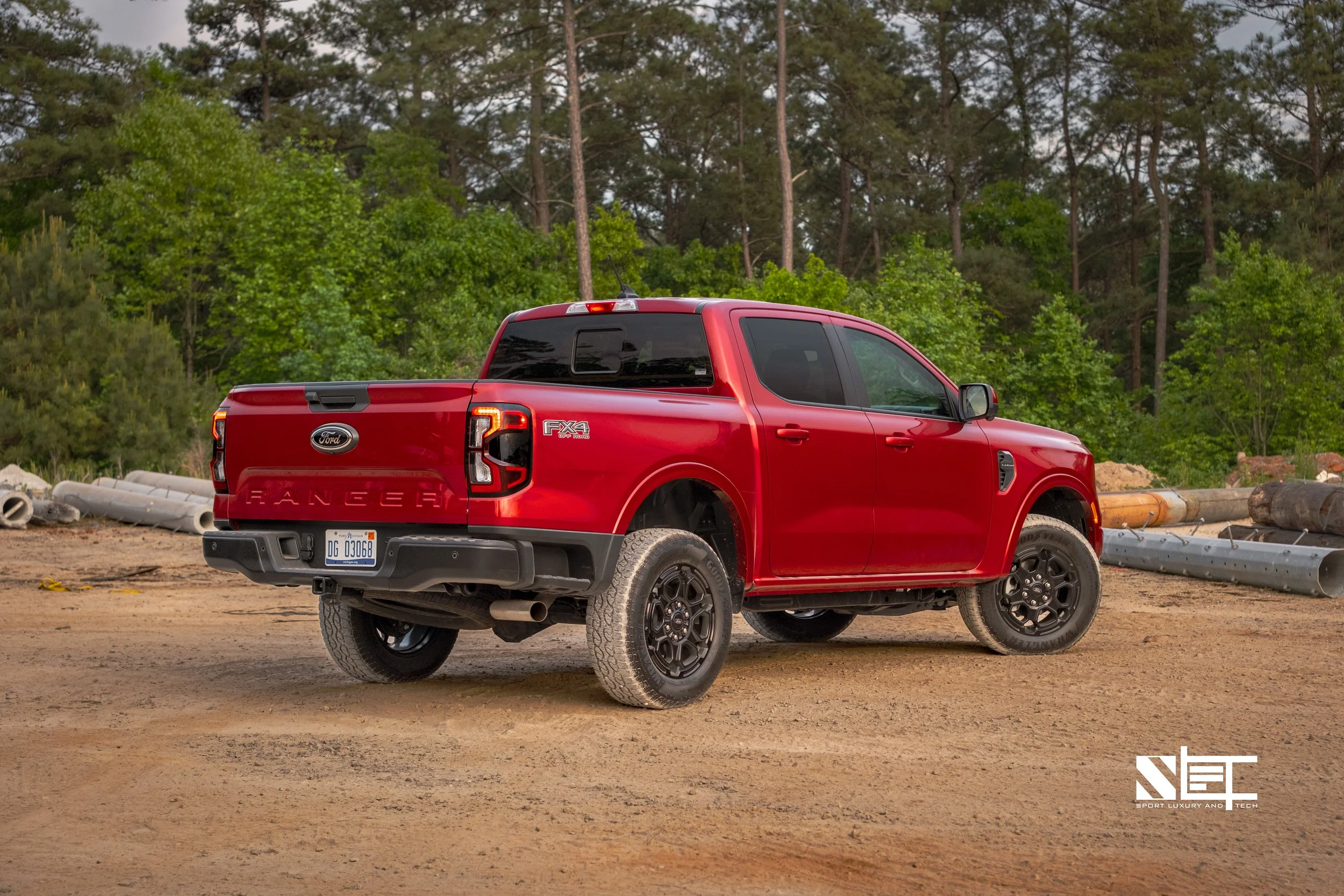
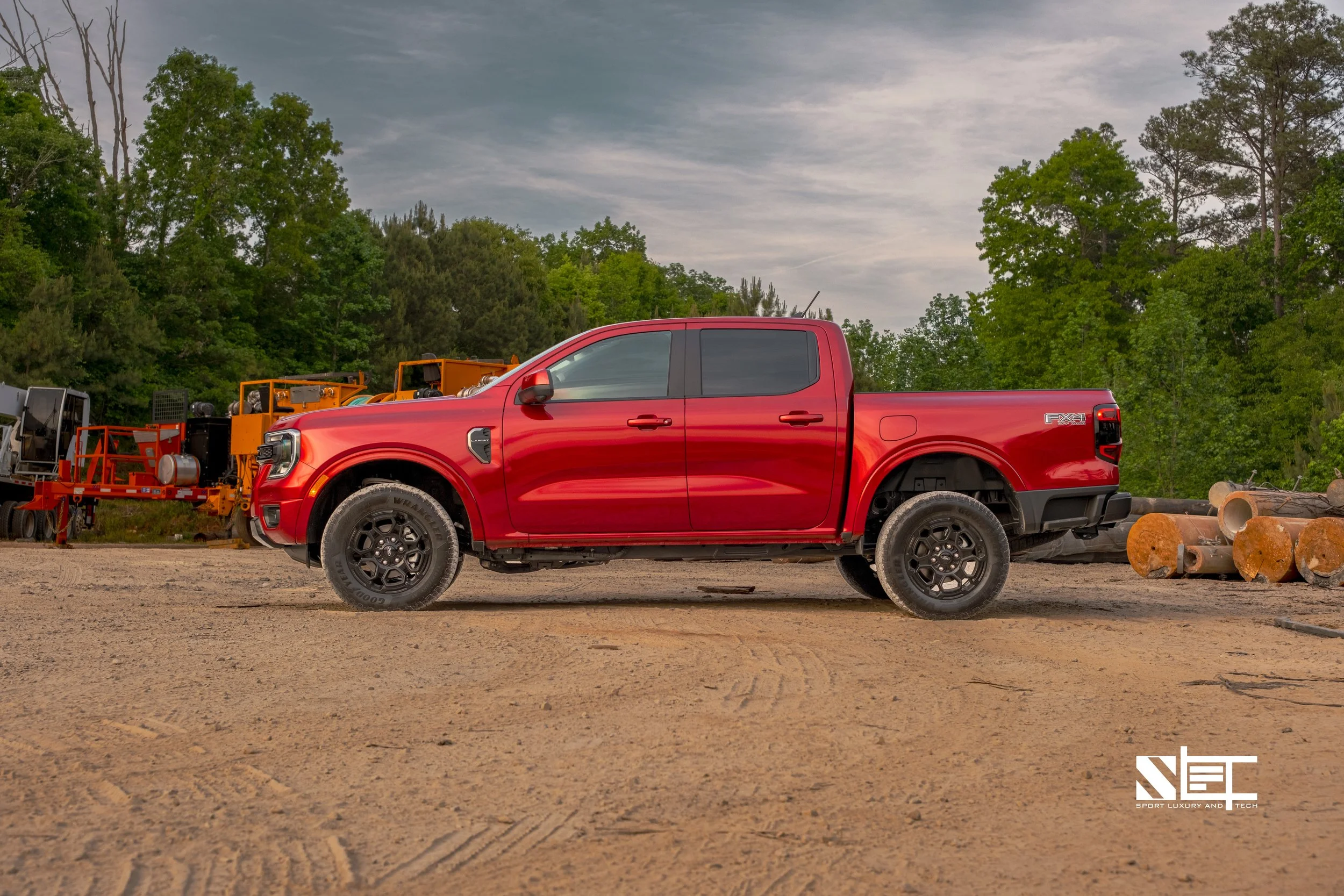
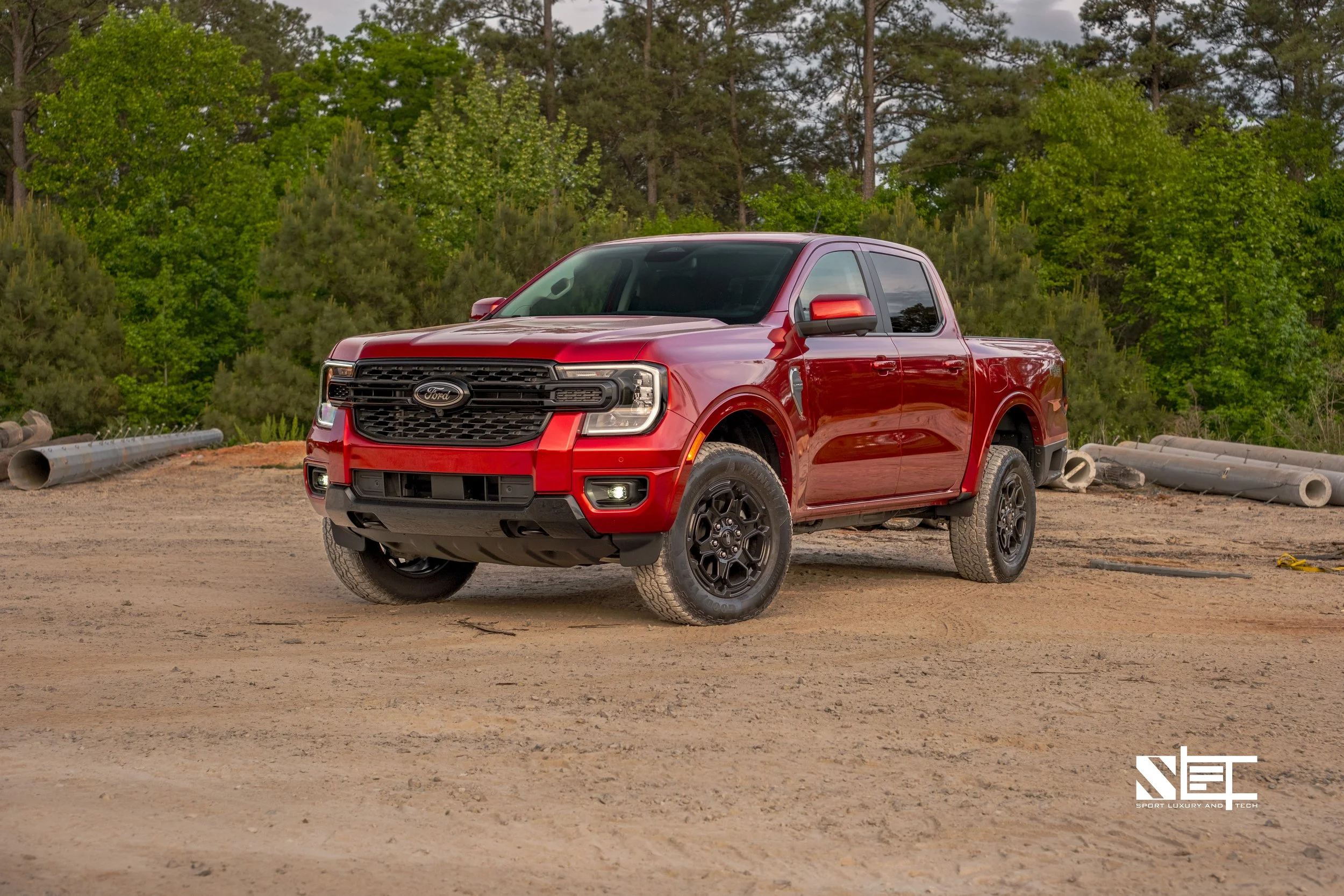
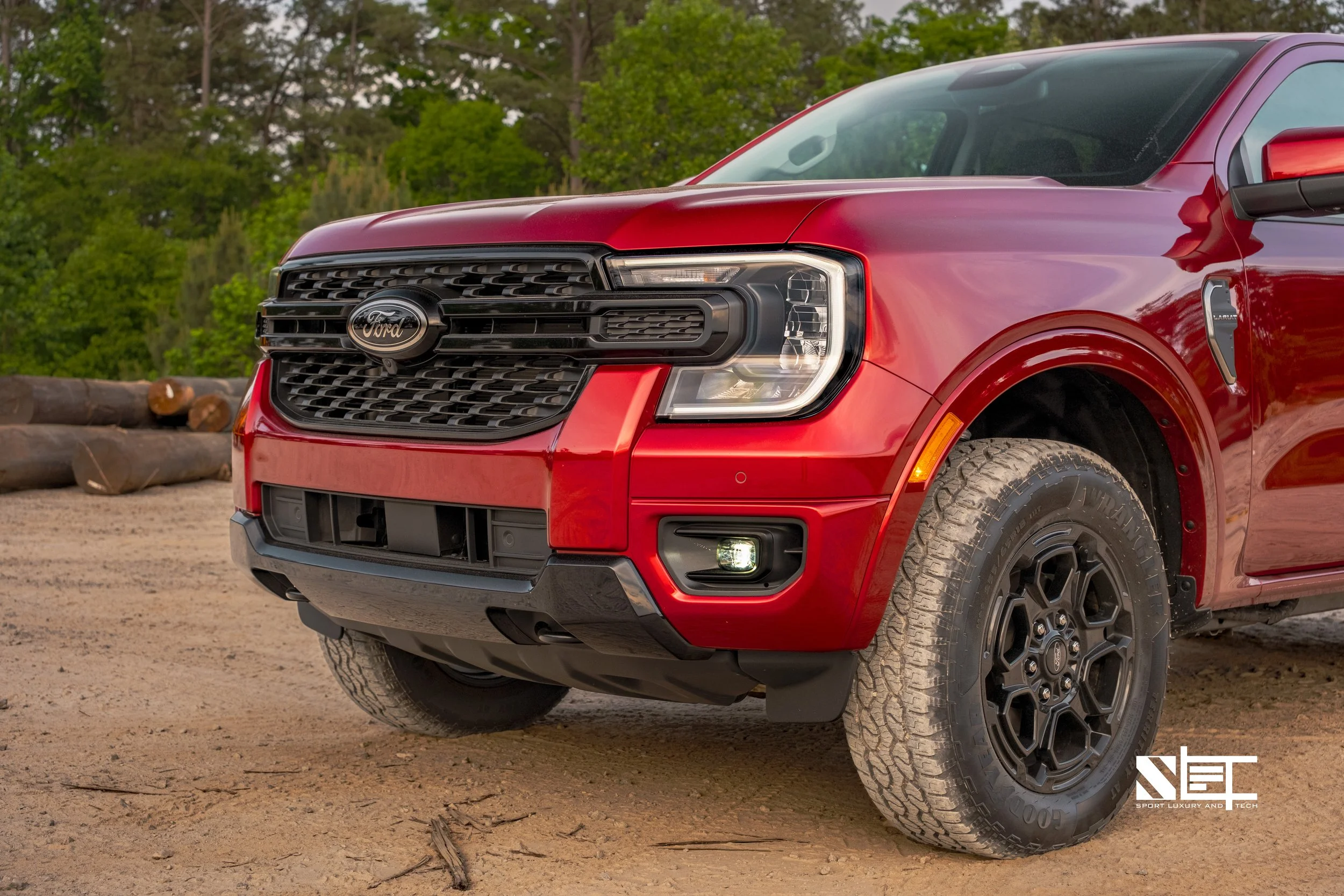
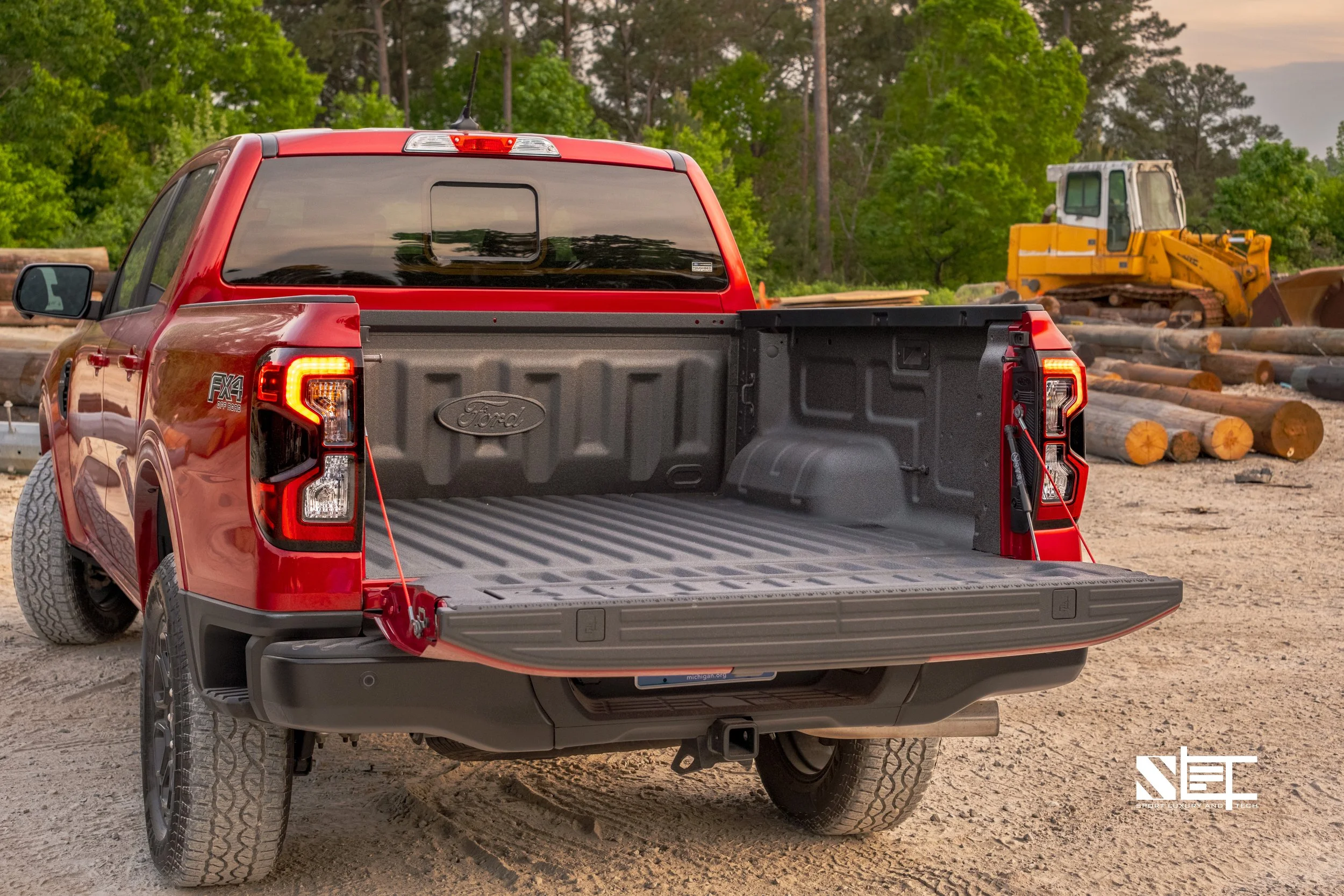
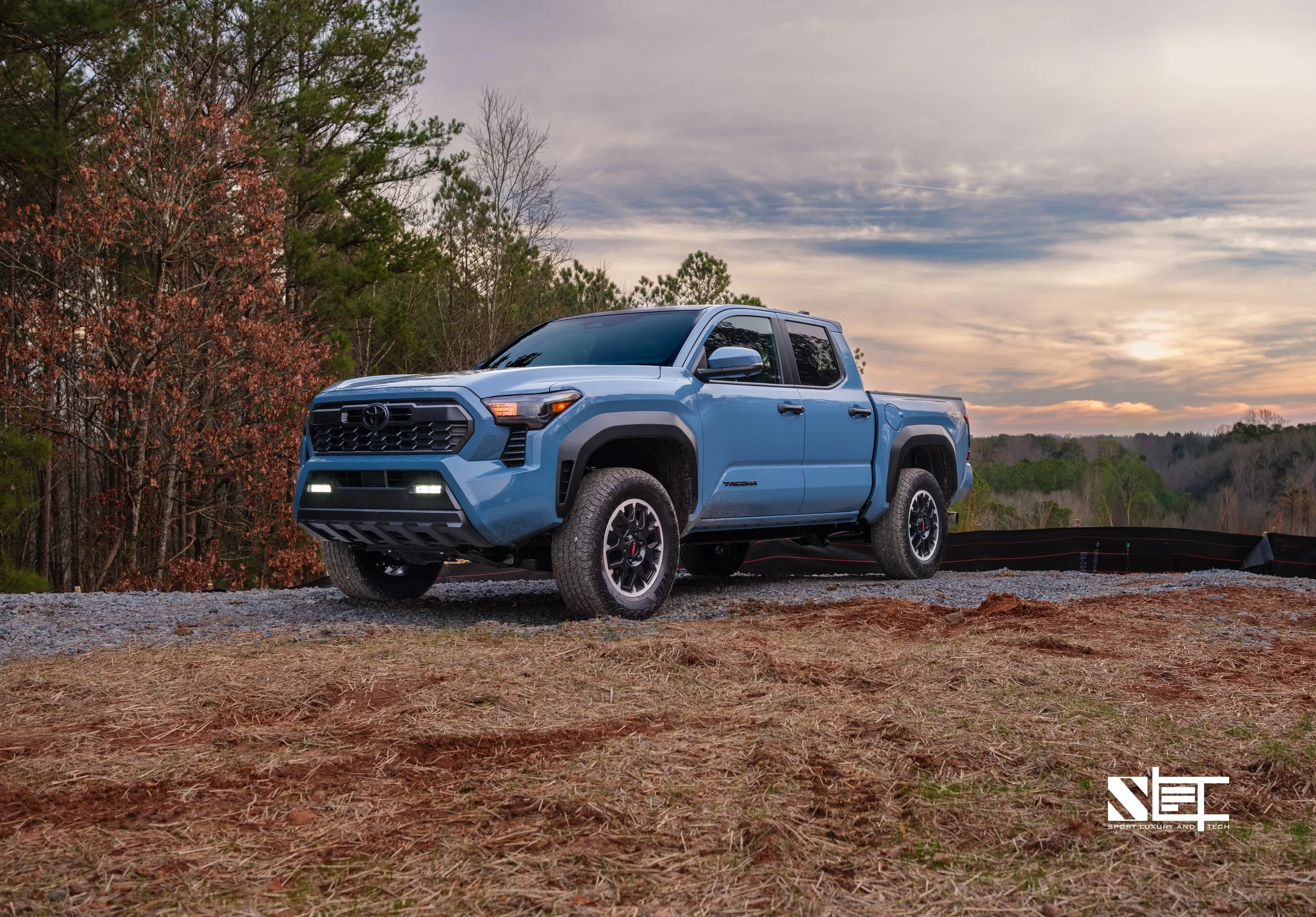
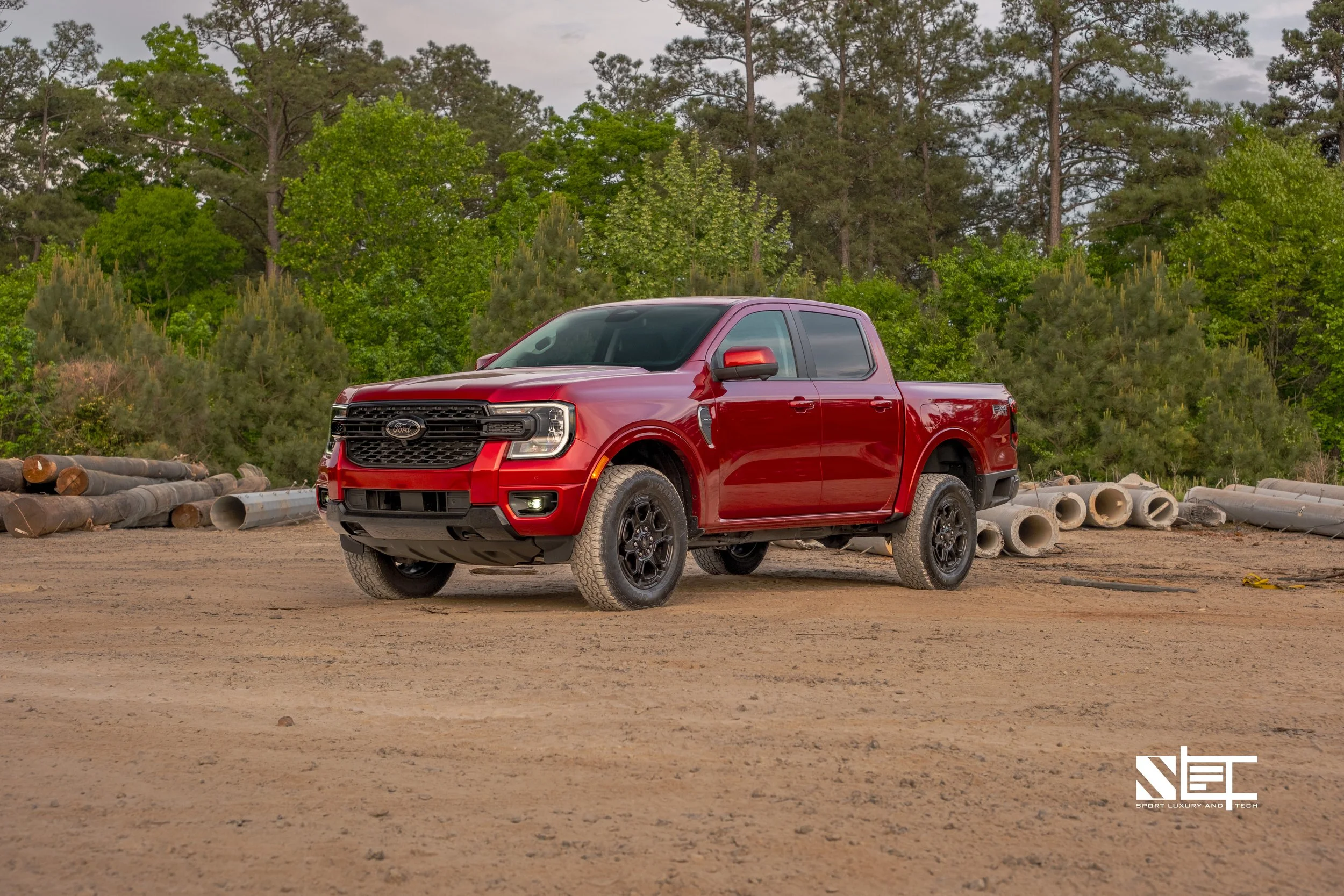
Let’s start off with the looks. The 2026 Ford Ranger completely disappears parked next to the Tacoma and the Colorado. Don't get me wrong, it's a handsome-ish if not understated truck... the problem is it’s a bit too understated. The Toyota Tacoma and the Chevy Colorado have so much body cladding, bulging fenders, scoops, and aggressive angles that they look like they are cosplaying as Avenger characters. They want you to know they’re tough from across the parking lot.
While the Tacoma and the Colorado are cosplaying as their favorite Avengers or Expendables characters, the Ranger is the Bob Odenkirk from Nobody of the bunch—an understated but yet surgically capable professional that values execution over theatrics.
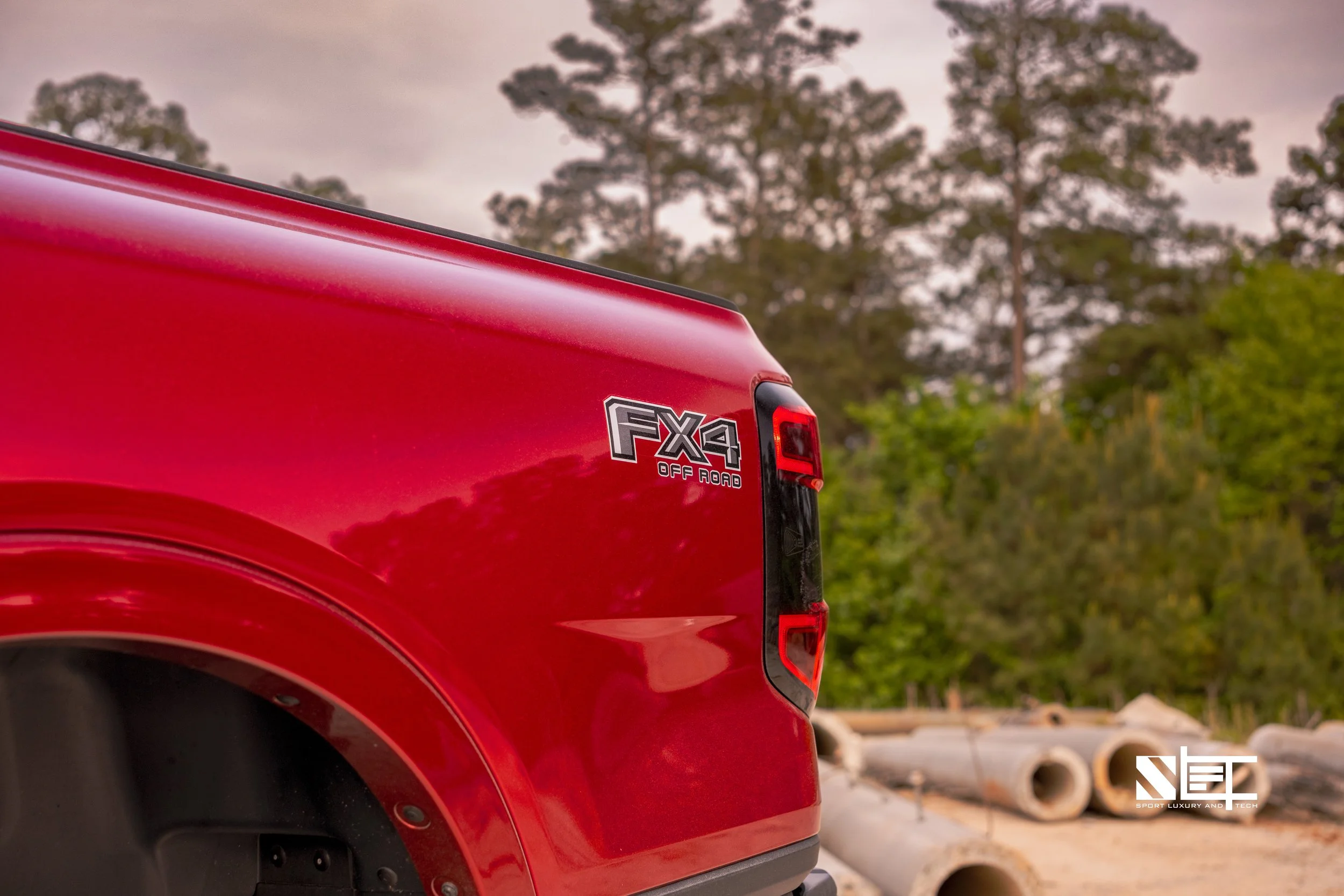
This surgical precision is most evident in the ride quality. It’s important to note that both the Toyota Tacoma (in TRD Off-Road trim) and the Chevy Colorado (in Z71 or Trail Boss guise) offer beautifully compliant rides. Their off-road-oriented suspensions use softer damping to soak up trail irregularities, which translates to a plush, almost cloud-like experience on the highway. But where the competitors lean into that softness, the Ranger’s FX4 Off-Road Package finds a different kind of magic.
The Ford feels more "buttoned-down" and intentional. While the Tacoma can sometimes feel a bit floaty and the Colorado can lean into corners with its softer Z71 setup, the Ranger stays remarkably flat. It manages to round off the sharp edges of potholes and expansion joints without the secondary "after-shake" you often get in a body-on-frame truck. It’s a level of composure that feels passenger car-adjacent—not because it’s the softest, but because it’s the most controlled. It proves that Ford’s mid-level dirt-tuning doesn't just absorb the road; it masters it, keeping the chassis planted and your confidence high during the daily commute.
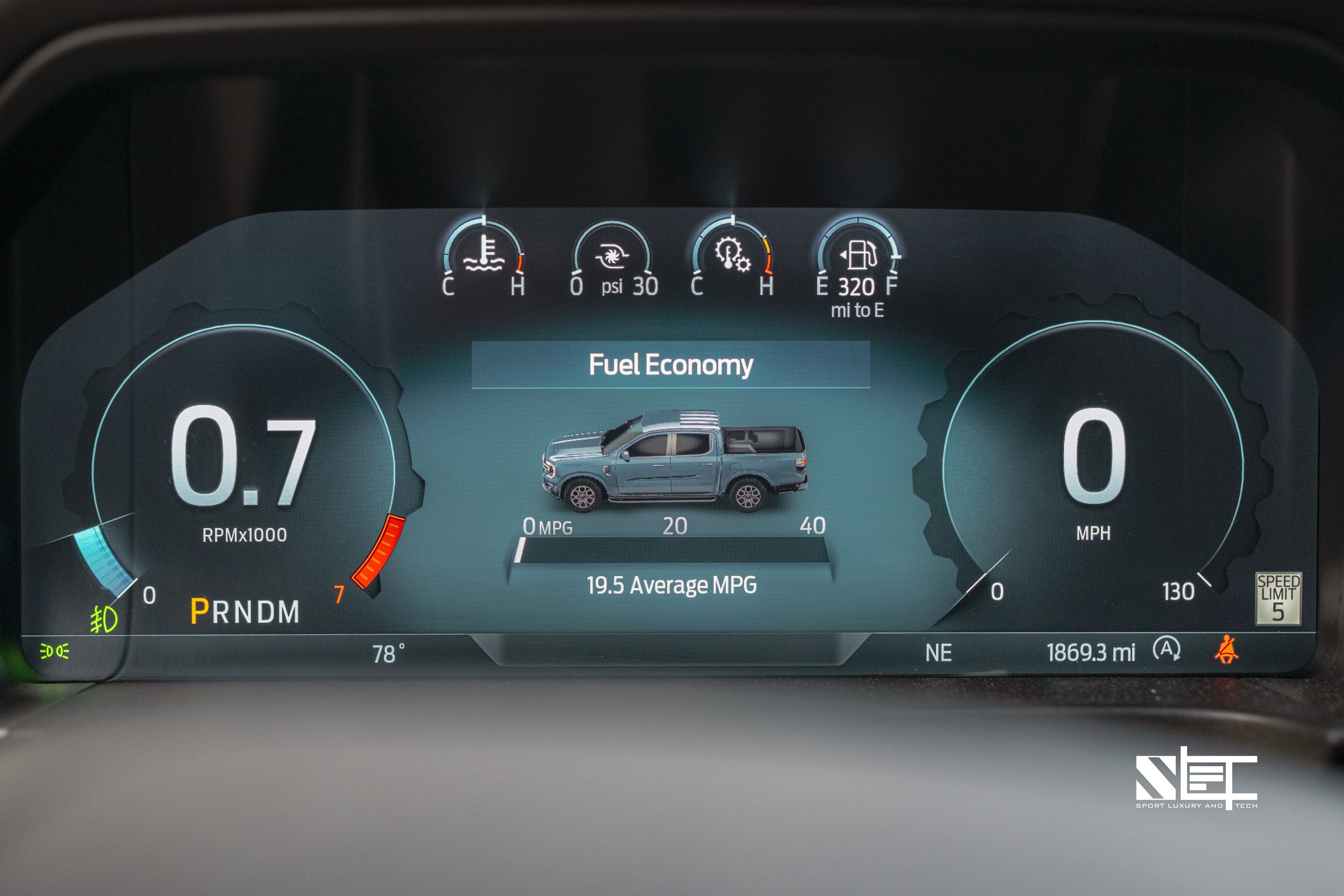
Let’s talk power. My tester came equipped with the standard 2.3L EcoBoost inline-four. In a market obsessed with horsepower wars, a four-cylinder in a truck can feel like a letdown on paper. But out on the road? It’s surprisingly punchy. With 270 horsepower and 310 lb-ft of torque, this engine is the definition of "enough." The torque comes on in a wave from what seems like idle and carries you to the redline without a sense of any dip. It’s not an aggressive or high-strung powertrain; it’s a refined and smooth one.
Compared to the Toyota Tacoma’s i-FORCE 2.4L turbo, even with all the internet’s bitching, the Toyota actually feels the most "truck-like," but not necessarily in a good way. The Tacoma’s engine is just… rattly. From idle to redline, it has an innate coarseness that never really goes away. The Ford's powerplant feels more civilized compared to the Toyota's rattly lump under the hood, it idles smoother and has overall much less vibrations coming across the steering and the driver seat than the Toyota . The Ranger actually sounds a bit more premium as well. Sure, no EcoBoost engine will ever win any award for "best engine note," but it’s a noticeable jump in auditory satisfaction over the Tacoma. If you jump into a Chevy Colorado Z71, you’re getting their high-output 2.7L Turbo across the board. The Chevy has more raw, low-end grunt (reaching 391 lb-ft of torque), but it feels less refined—you'll notice more "buzz" through the steering wheel than you will in the Ford, and its overall coarseness is just a bit too much for everyday driving.
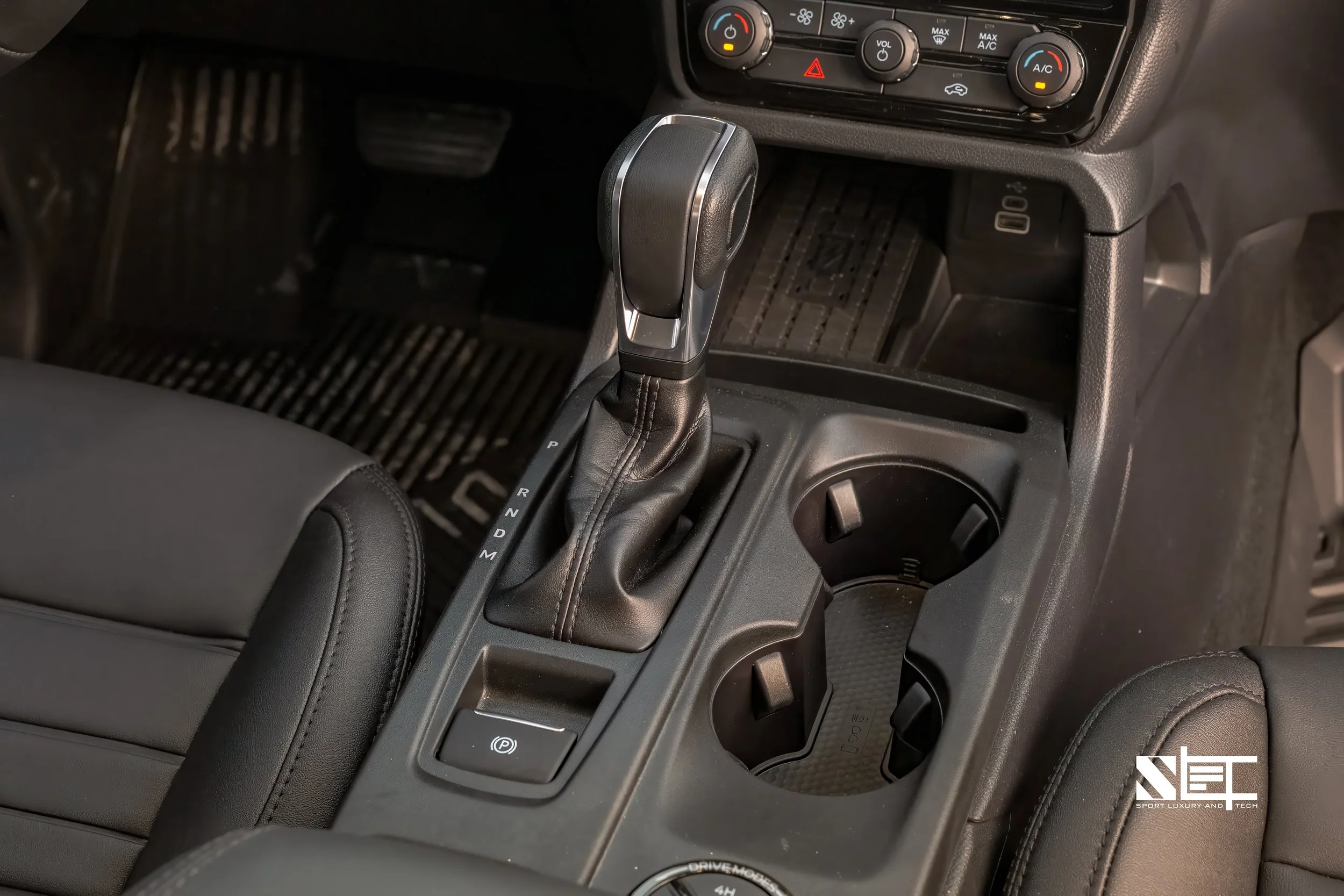
The real star of the show here, however, is the gearbox. Every subsequent year of the now ubiquitous FoMoGenMoCo 10-speed auto gets better and better with its tuning. This Ranger's tuning is spot on. It is always in the gear you want and "need it" to be in, and it's extremely eager to drop down several cogs to the meat of the powerband in a blink of an eye. Contrast this with the Tacoma’s 8-speed automatic, which, while decisive, often feels like it's holding onto gears a breath too long to save a drop of fuel. The Ford feels like it’s actually listening to your right foot.
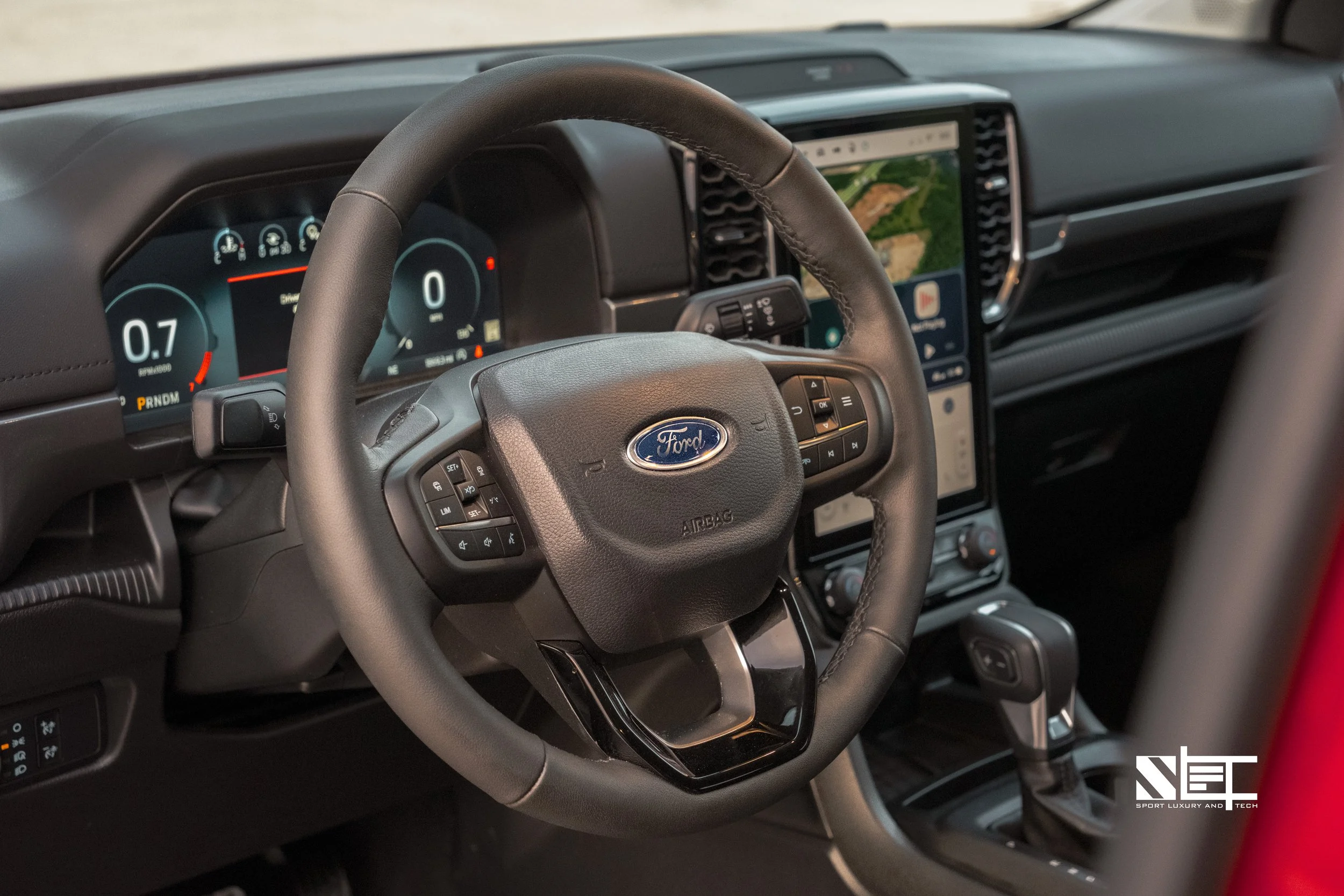
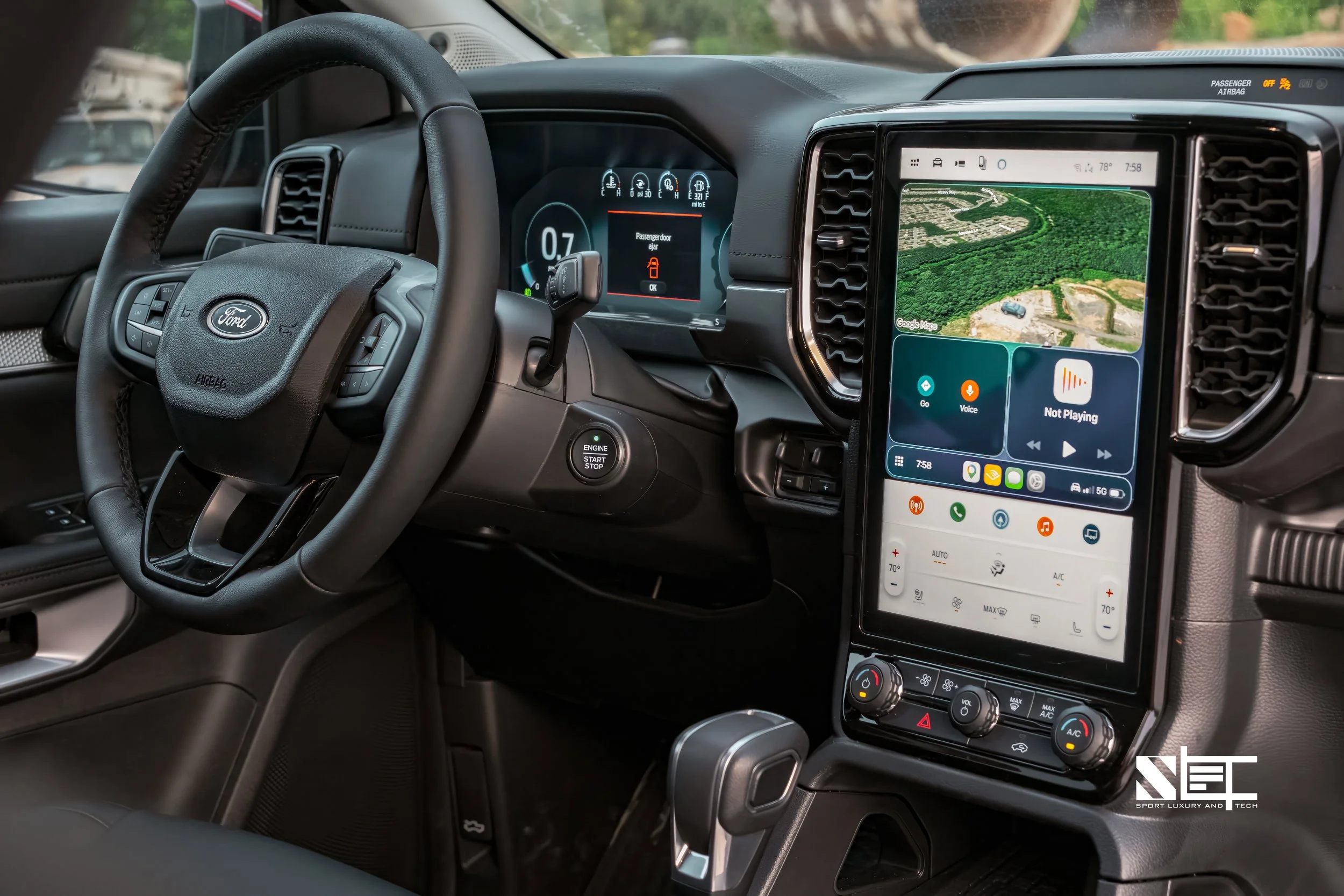
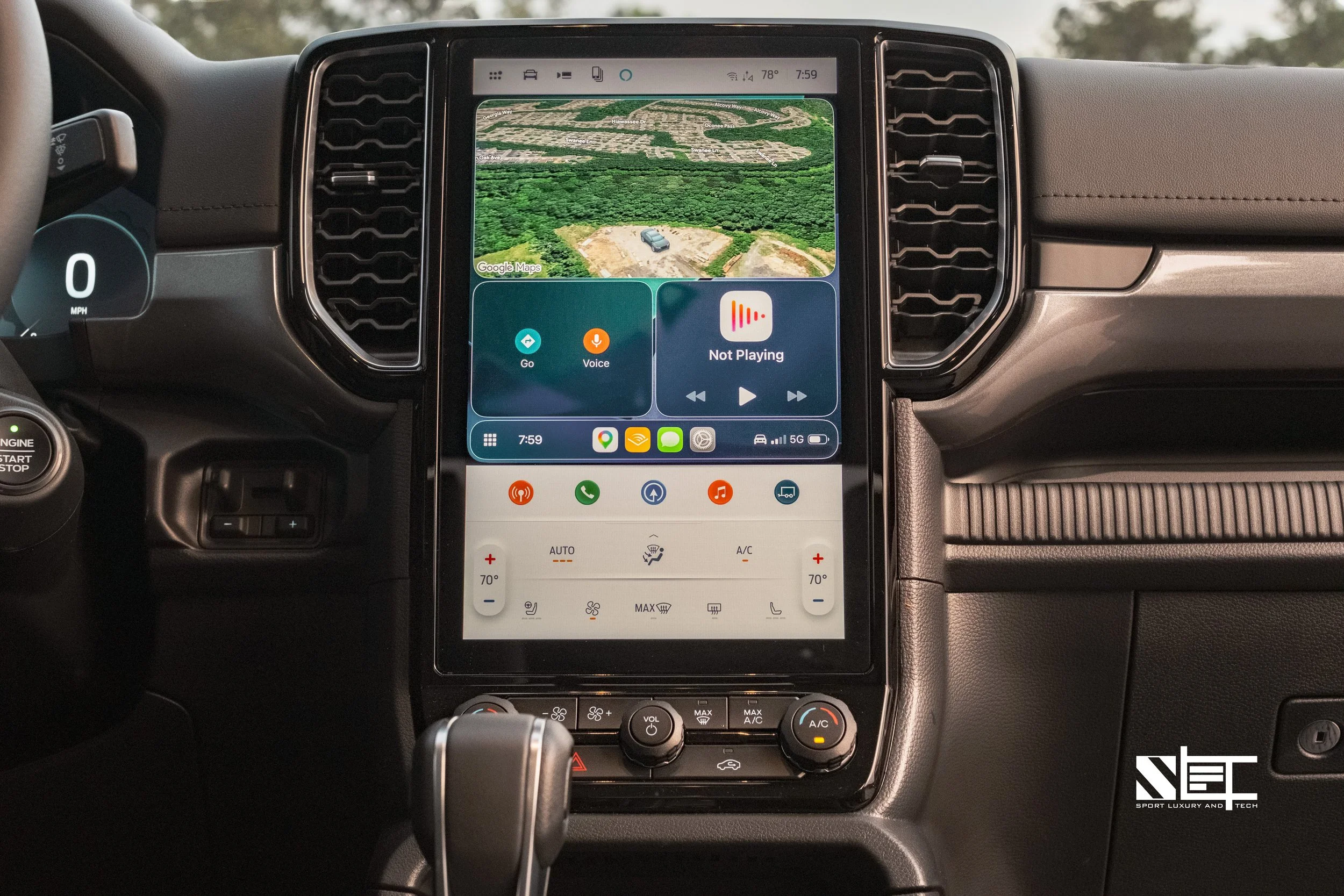
Inside the Lariat, Ford is leaning into the "screen wars" by gifting the Ranger 12 inches of vertical real estate. Which is… fine, I guess? The graphics are sharp and the system is plenty fast, but the ever-increasing screen size battle in automotivedom is starting to feel ridiculous.
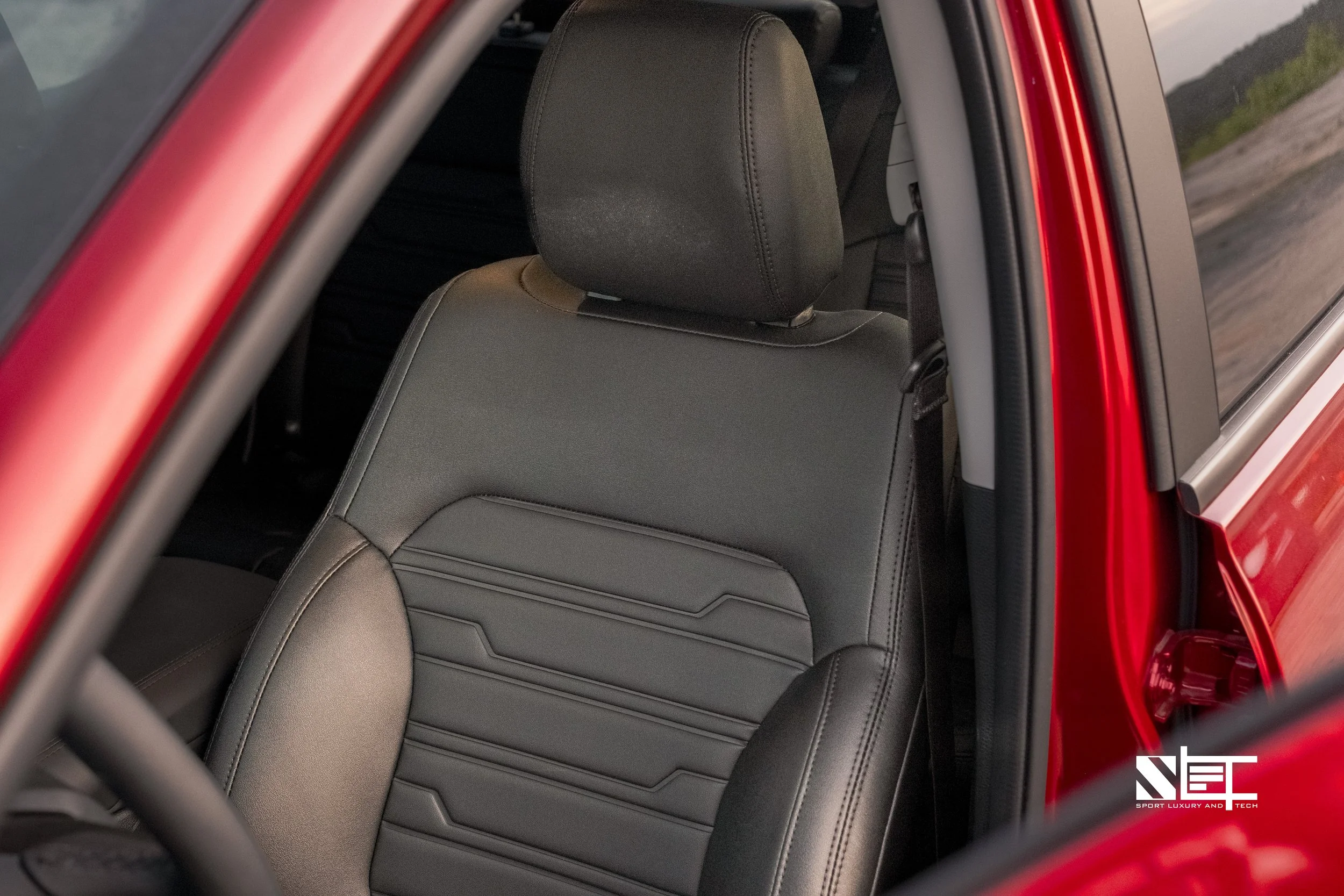
Where your arms rest, it’s genuinely plush—the door armrests and center console have a soft-touch material that feels like it’ll hold up for a decade. But look an inch too far to the left or right and you’re greeted by the kind of hard, scratchy plastics that remind you this is indeed a ‘truck’ you’re sitting in and not a midsize passenger car. Not that its competitors are any better; look past any "squishy" material in either the Toyota or the Chevy, and you’ll be greeted with a plastic-fantastic landscape of scratchiness.
I need to say ‘thank you’ to Ford, Toyota, and Chevrolet for doing the one thing that every new car owner has been screaming about: bringing back physical HVAC controls. In the case of the Ranger, it never really went away, and with the yearly refreshes, it has—err—refreshingly stayed. All three trucks give you a large, chunky physical knob that you can find without taking your eyes off the road. It’s tactile, it’s logical, it works, and it honestly makes me weep for joy because it’s there.
Comparing all three cabins, overall, the Ranger occupies the ‘inbetweener’ space. Not as futuristically contemporary as the Colorado, nor as utilitarian as the Tacoma.
The 2026 Ranger Lariat occupies a strange, quiet space in the market. It doesn’t have the "look-at-me" tactical posturing of the Tacoma, nor does it have the Colorado’s "I-wish-I-were-a-Silverado" bravado. It is, as I said, the Bob Odenkirk of trucks. While its rivals are busy cosplaying as off-road warriors, the Ranger is content being the most composed, street-legal tool in the box. It’s the pragmatic choice for the buyer who values a smooth powerband and a gearbox that actually knows what it’s doing over aggressive fender flares and a buzzy steering wheel.
If your life involves more "daily driving" than "dune jumping," the Ranger Lariat is the clear winner—provided you have enough self-esteem to overlook its understated styling. It’s priced lower than the Tacoma and doesn’t have the exclamatory styling of the Colorado. In other words, while the Tacoma and Colorado are busy being adventure toys with coarse soundtracks and over-the-top aesthetics, the Ranger simply gets on with it. Between that brilliantly calibrated 10-speed and a 2.3L that punches way above its weight class, it’s the most usable, least taxing daily driver in this three-way brawl. It won’t make you the star of a Mountain Dew commercial, but in a world of increasing automotive insanity, the Ranger is the sane choice.
Sidebar: A Note on the Shoes
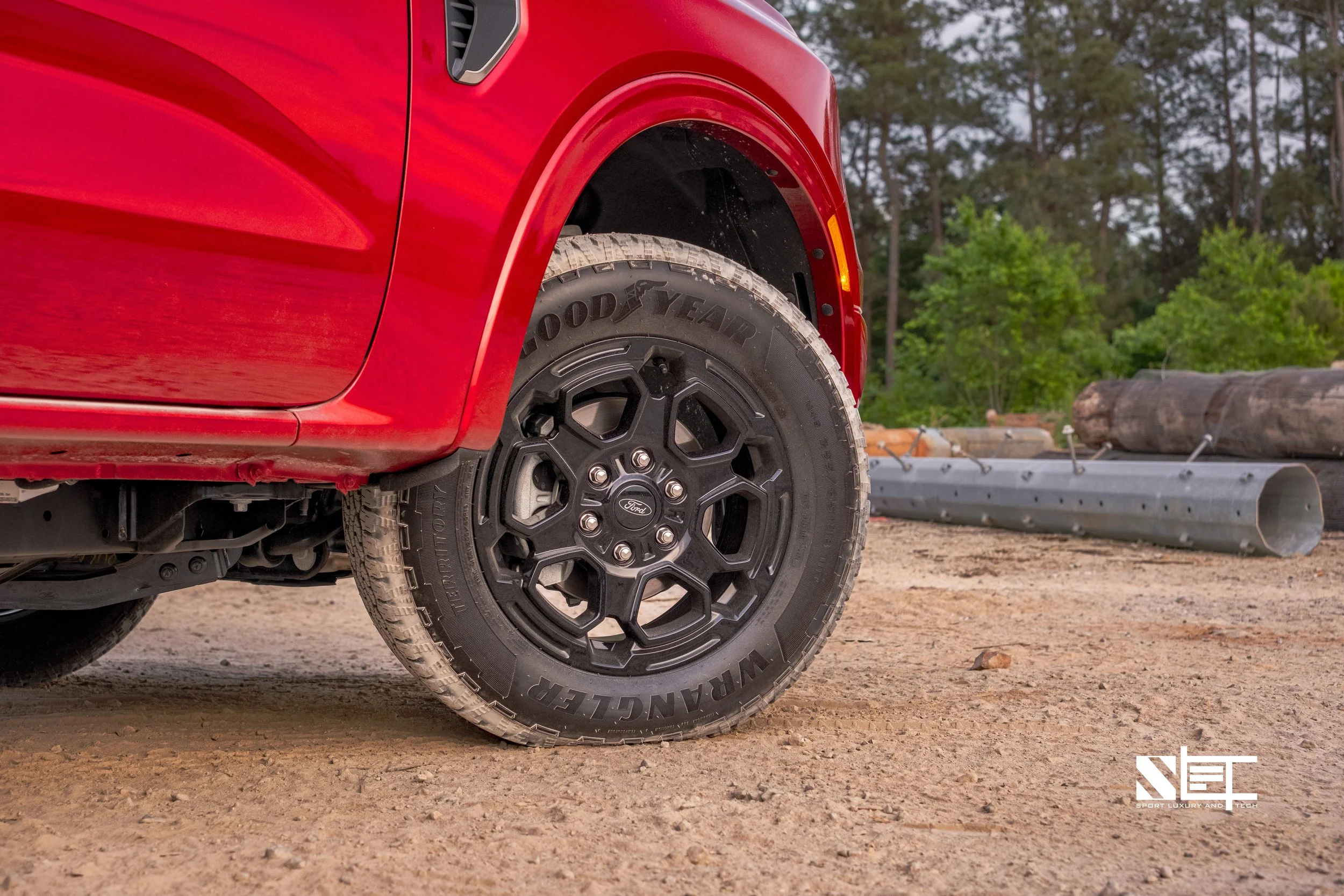
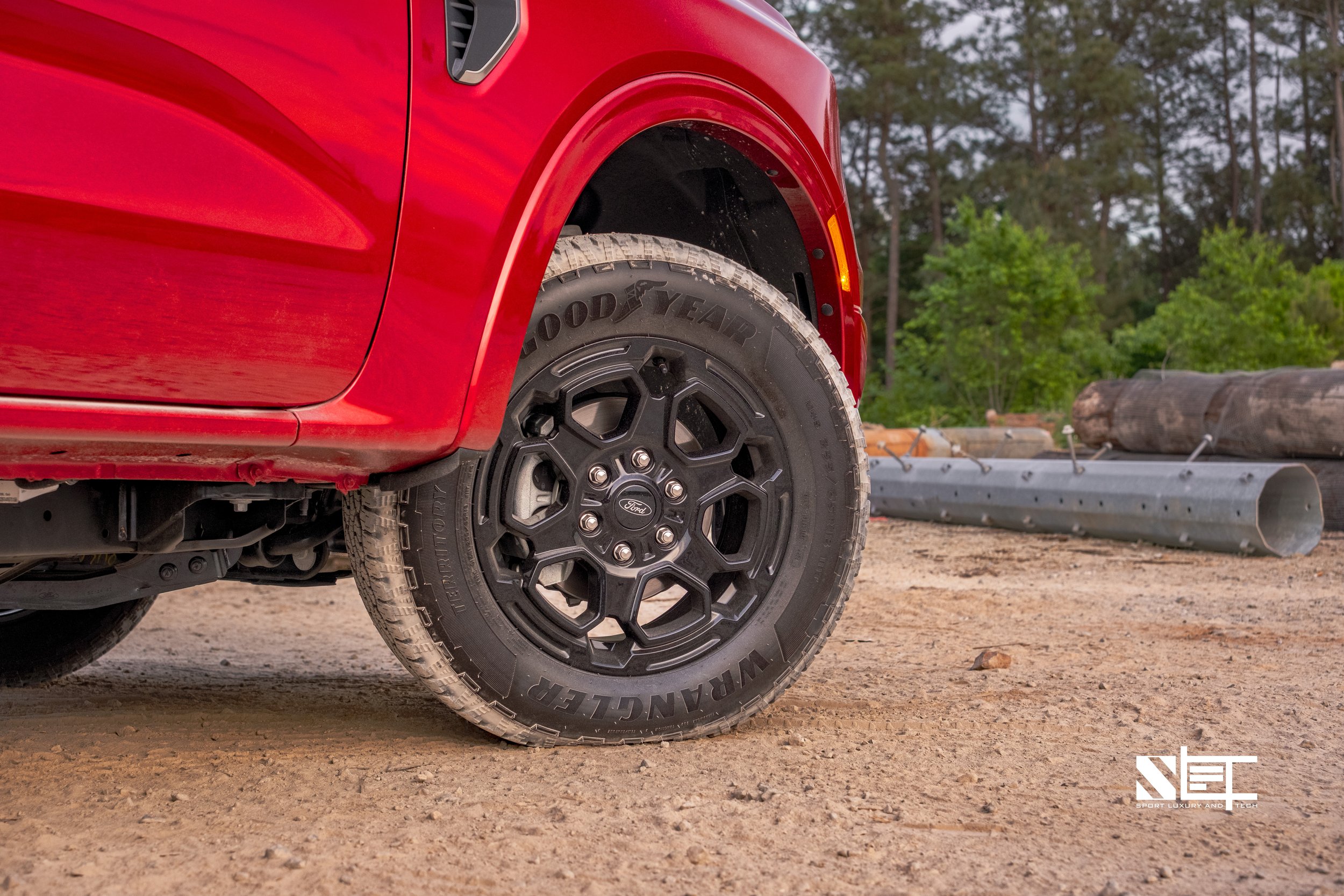
It would be a disservice not to mention the rubber. My tester came equipped with Goodyear Wrangler Territory AT tires, and I’m going to make a bold claim: these are quite possibly the best-riding and quietest all-terrain tires I’ve ever experienced on a press truck.
Usually, "All-Terrain" is code for a constant low-frequency hum that vibrates your molars at highway speeds. But these Wrangler Territory AT Tires are the complete opposite.