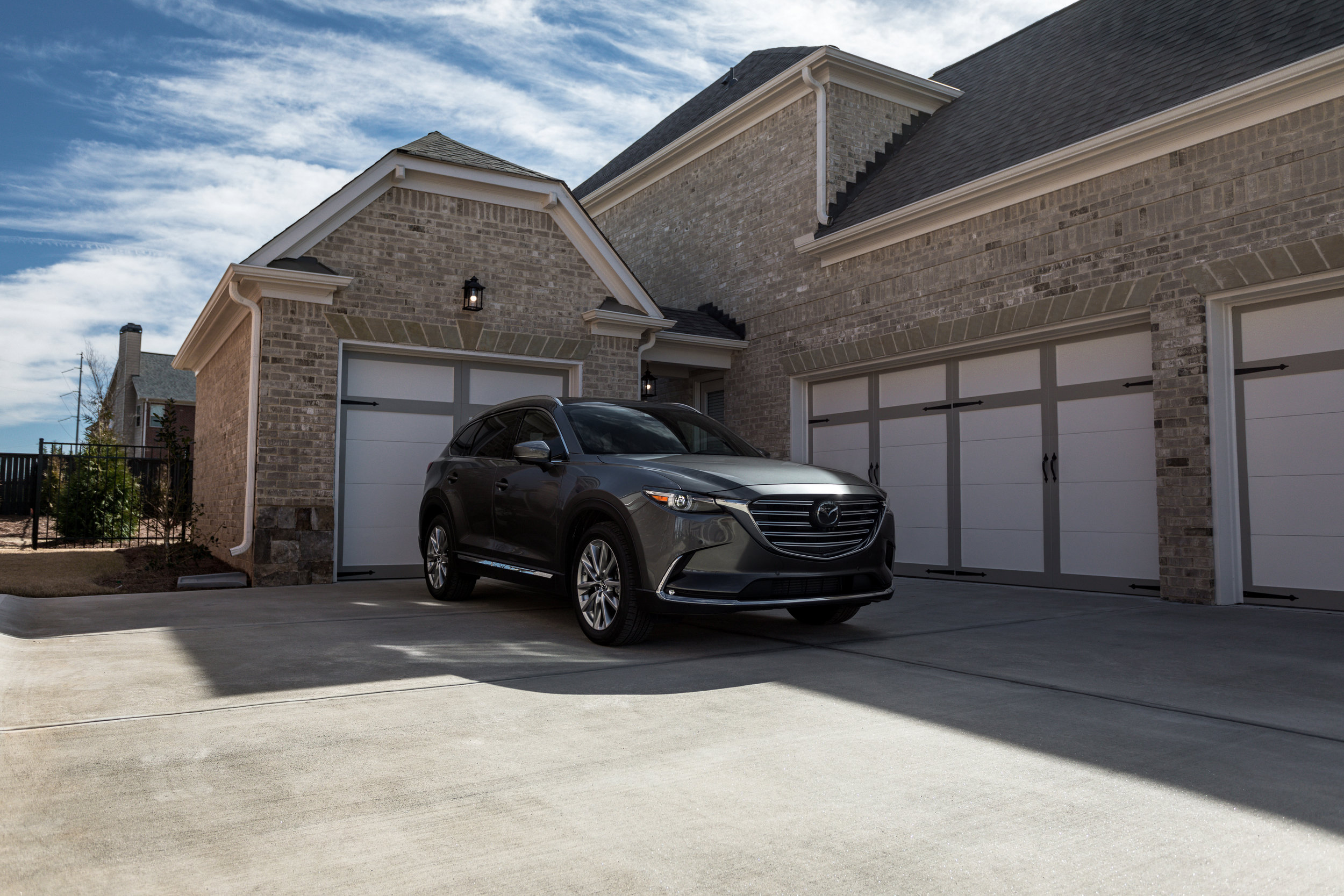
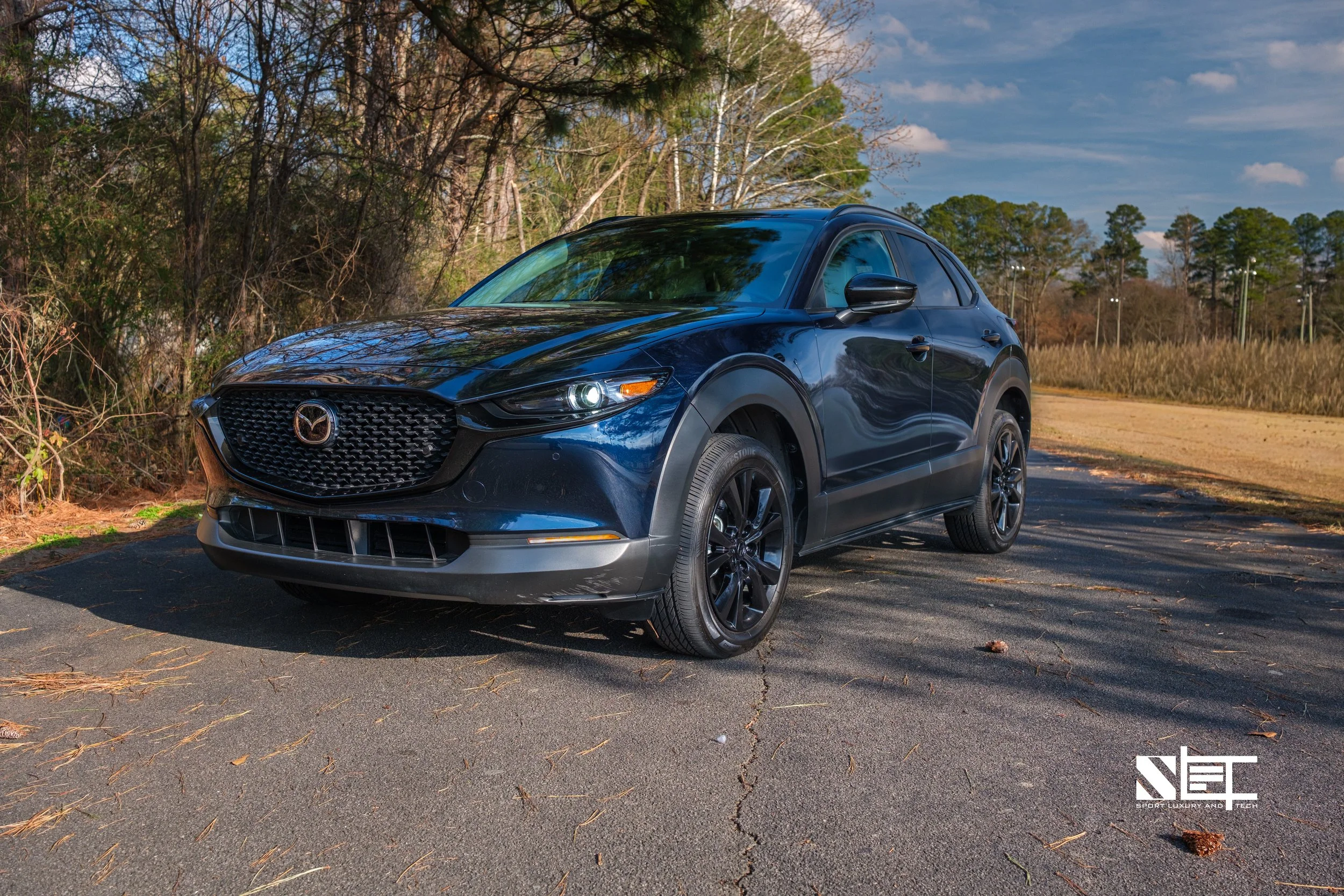
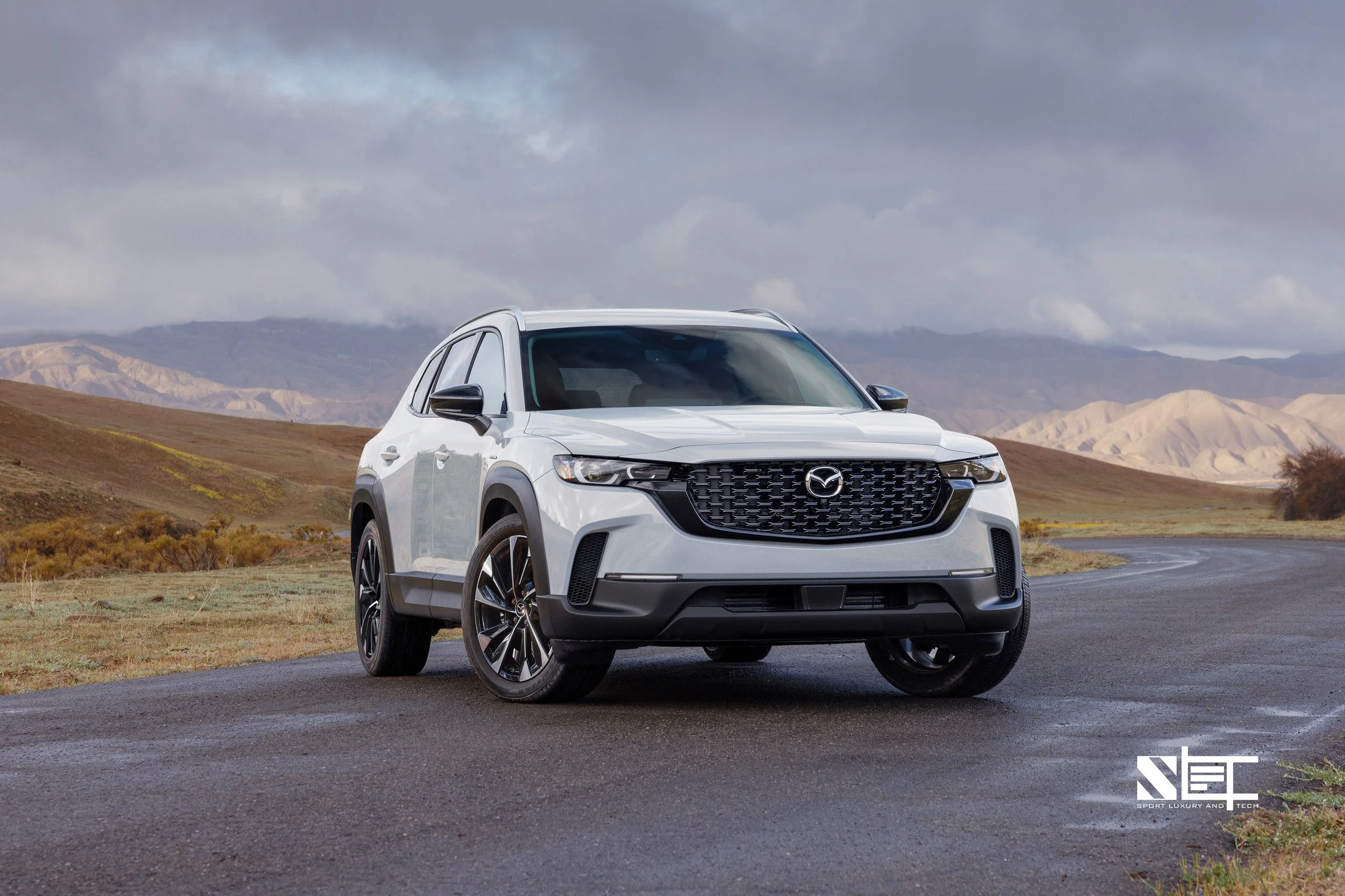
2026 Mazda CX90 Review
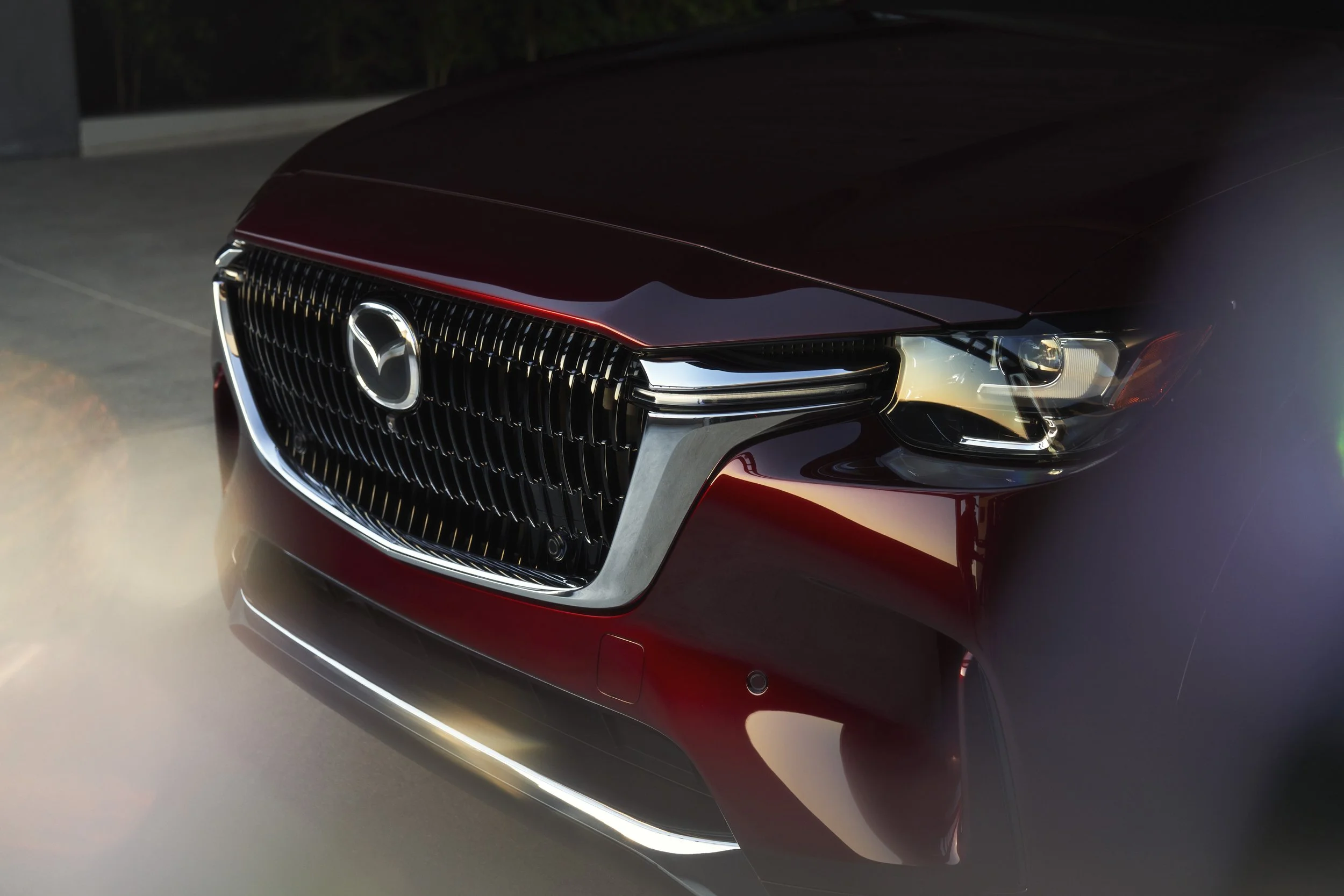
2026 Mazda CX-90
Starting MSRP (3.3L Turbo Select): Approximately $38,800 (Excludes destination fees, which are around $1,530). Pricing varies widely by trim, ranging up to $57,370 for the Turbo S Premium Plus model.
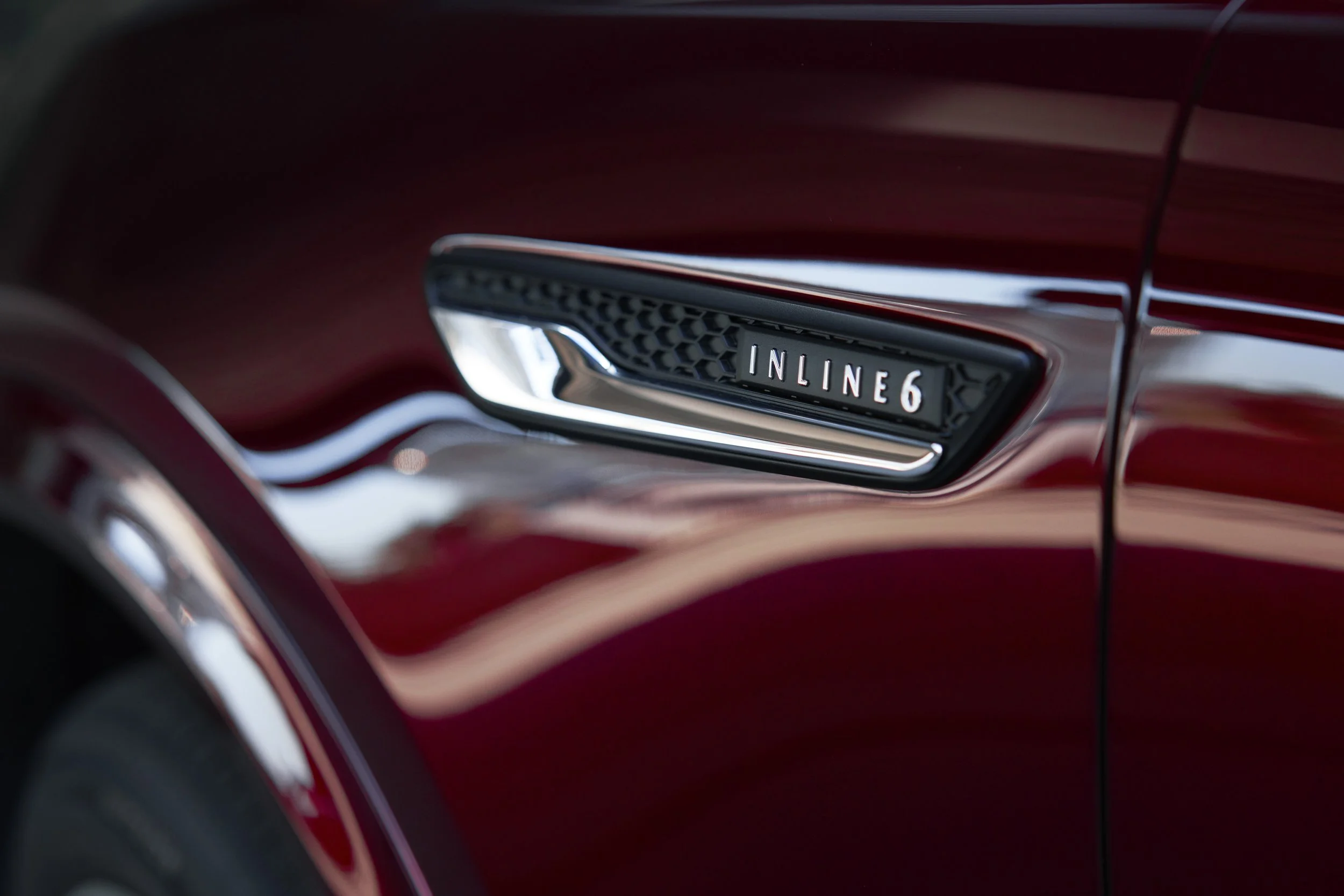
Engine Specs (Turbo 6): The engine is an e-SKYACTIV-G 3.3-liter turbocharged Inline 6 with a 48-volt M-Hybrid Boost mild-hybrid system.
Power and Torque: The 6-cylinder engine comes in two output levels:
Standard Trims: 280 hp @ 5,000 rpm and 332 lb-ft of torque @ 2,000 rpm (using regular fuel).
Turbo S Trims: 340 hp @ 6,000 rpm and 369 lb-ft of torque @ 2,000 rpm (using premium fuel).
EPA-Estimated MPG (All 6-Cylinder Trims): 23 MPG City / 28 MPG Highway / 25 MPG Combined.
— Guy who did stuff Yousef Alvi : Photography: Manufacturer
The Actual Vehicle Review
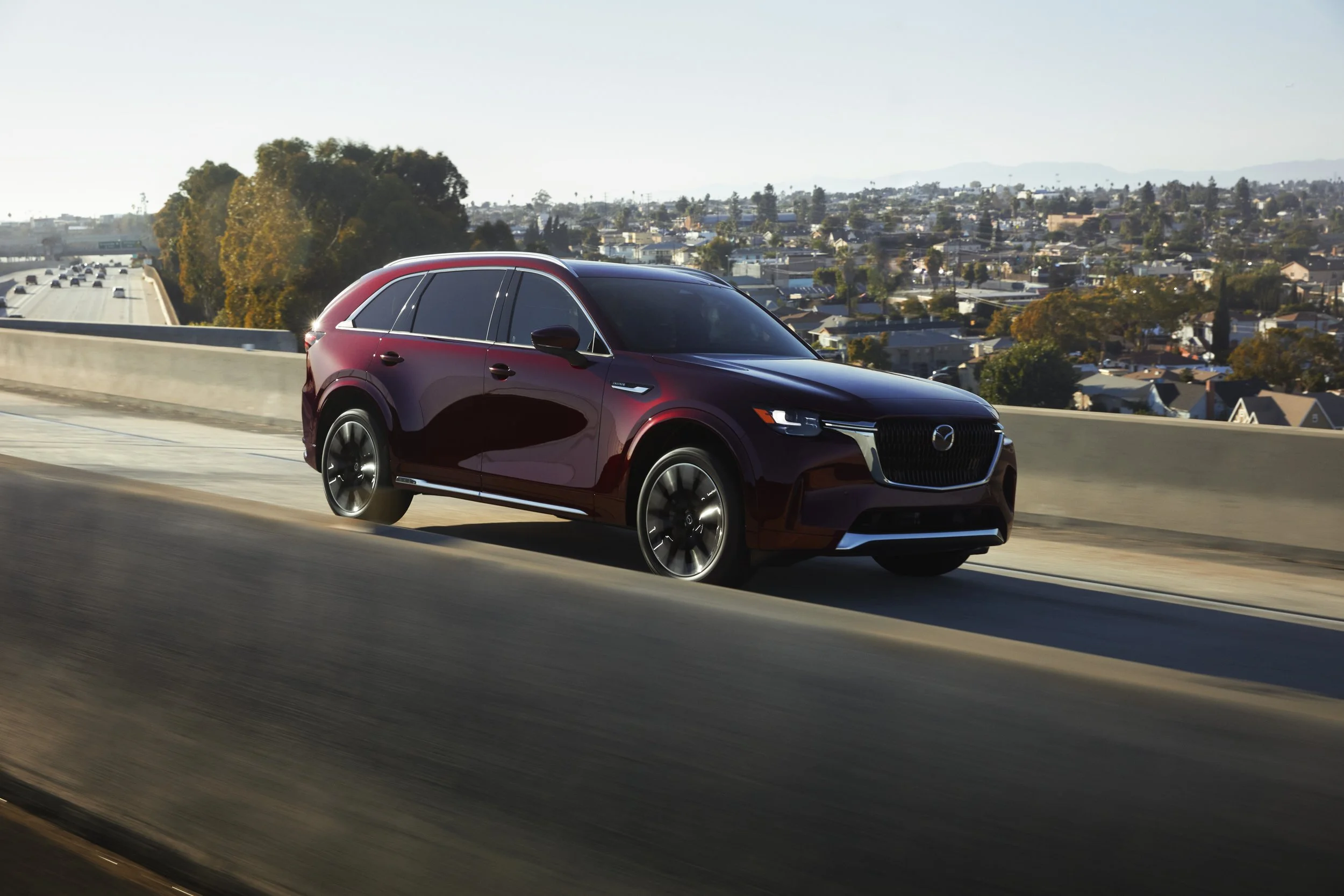
The 2026 Mazda CX-90 is far more than just a pretty interior; it is a serious mechanical contender. Built on Mazda’s new large platform, it features a powerful and smooth 3.3-liter turbocharged inline-six engine paired with an 8-speed automatic transmission and standard all-wheel drive. This new engine, particularly in its higher-output configuration (up to 340 horsepower when running on premium fuel), provides ample power delivery, feeling robust and refined—a distinct departure from the four-cylinder turbo offerings of many rivals. On the road, the CX-90 maintains the sporty handling personality Mazda is known for. Its rear-biased architecture gives it an unexpected agility for a three-row SUV, providing excellent road stability and a driving experience that genuinely feels engaging, standing apart from the softer, more insulated feel of its mainstream and premium competitors.
When it comes to pricing, the CX-90’s value proposition is undeniable. Starting in the mid-forties, it competes directly with vehicles like the Kia Telluride and Honda Pilot, yet it delivers a level of material quality and engineering sophistication that rivals mid-level Lexus, Infiniti, and even some German luxury crossovers. This blend of sophisticated mechanicals, a truly premium ride feel, and aggressive pricing makes the CX-90 a game-changer. It's not just a crossover; it's a statement that luxury and driving pleasure don't have to come with an exorbitant price tag, solidifying its role as the industry's new, thoughtful entry-level luxury benchmark.
The Mazda Difference:
Let's all take a second and give a round of applause to Mazda.
I’ll wait.
No seriously, give them a round of applause.
...waiting
...done? Great! Let's start.
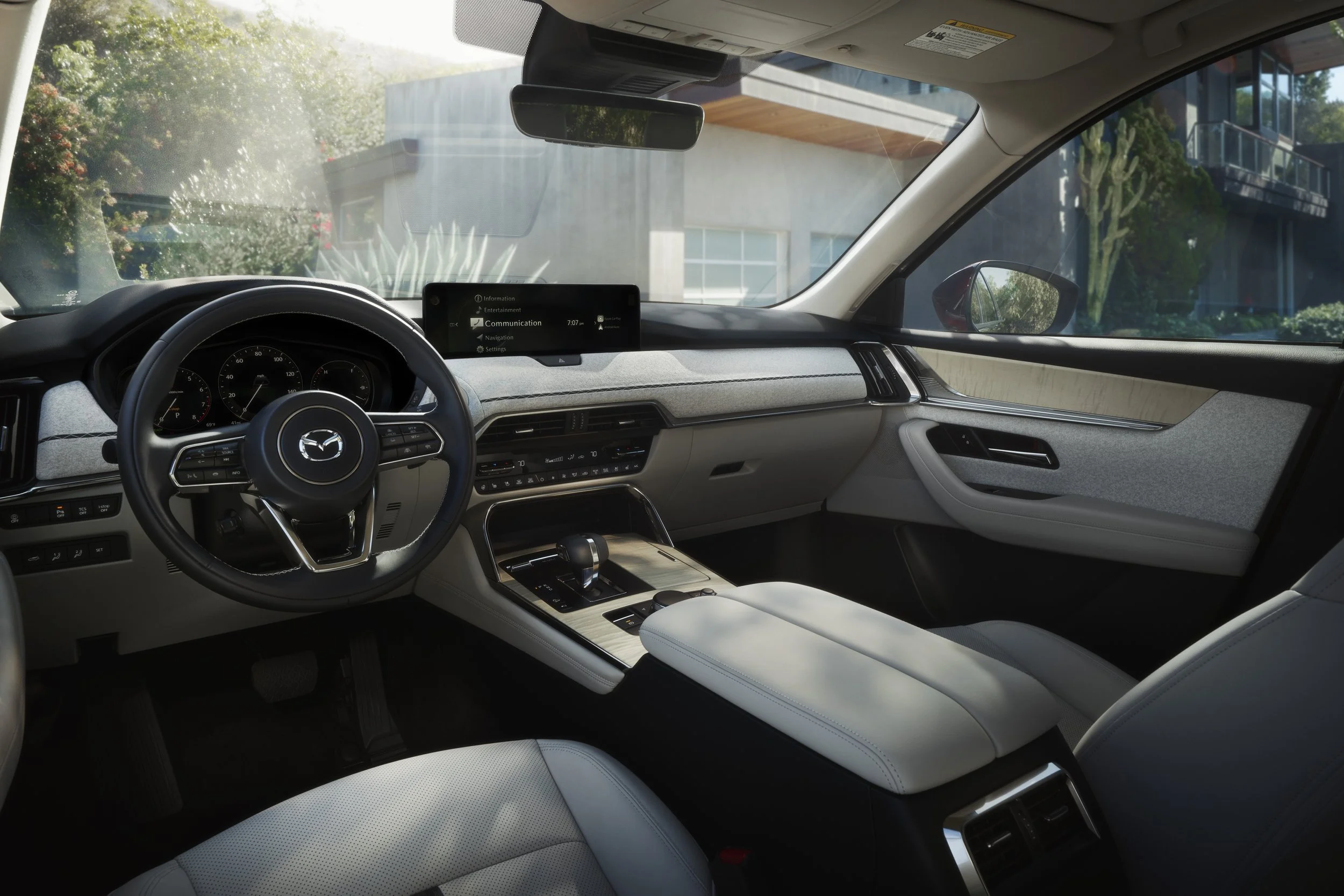
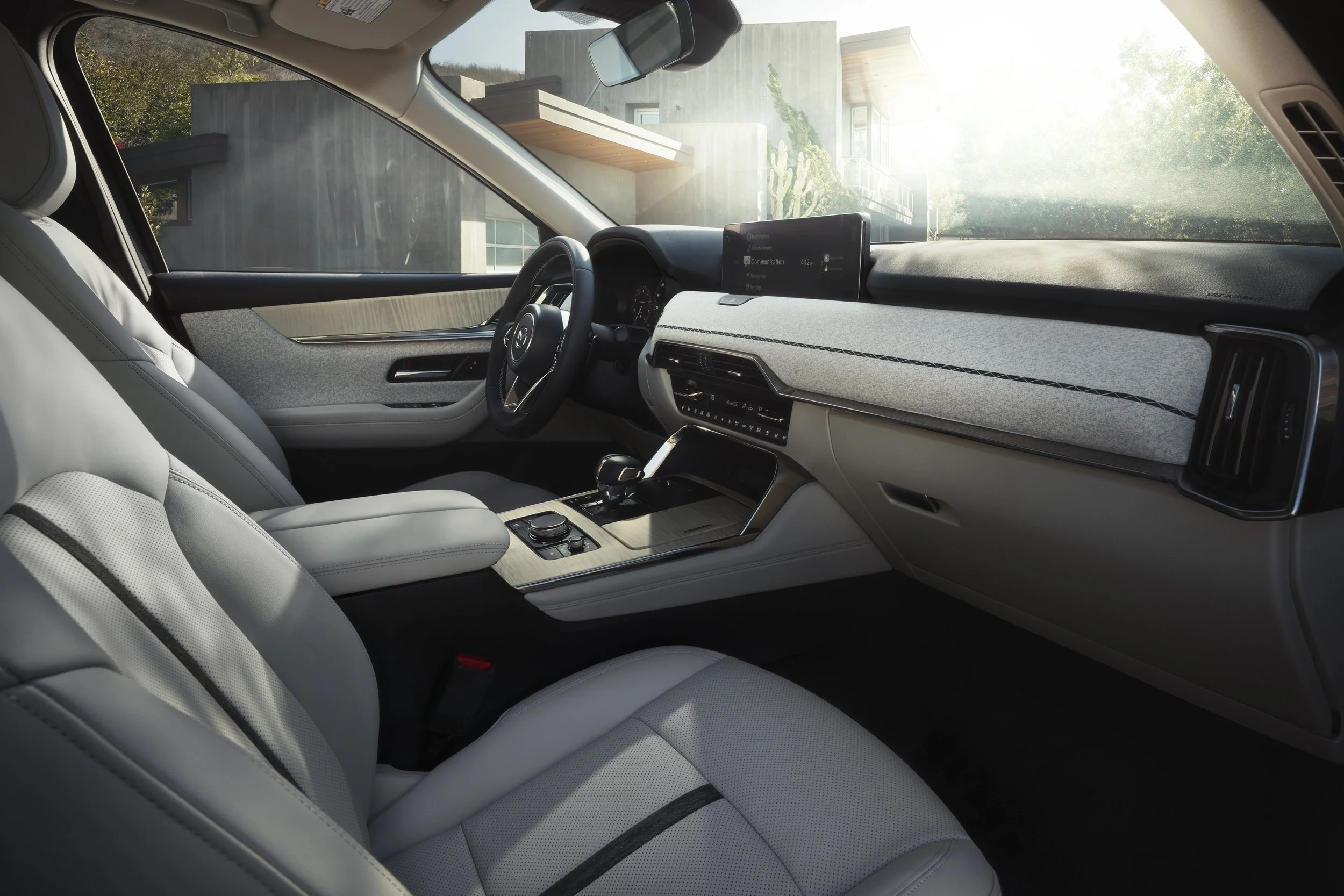
Why did I command all of the internet to give Mazda a round of applause? Simple: The formerly 'zoom-zoom' company, known for its quirky and sporting vehicles, is now poised to position itself as a serious entry-level luxury contender. Mazda has given the public something no other vehicles seem to have on the road today: interior quality and refinement.
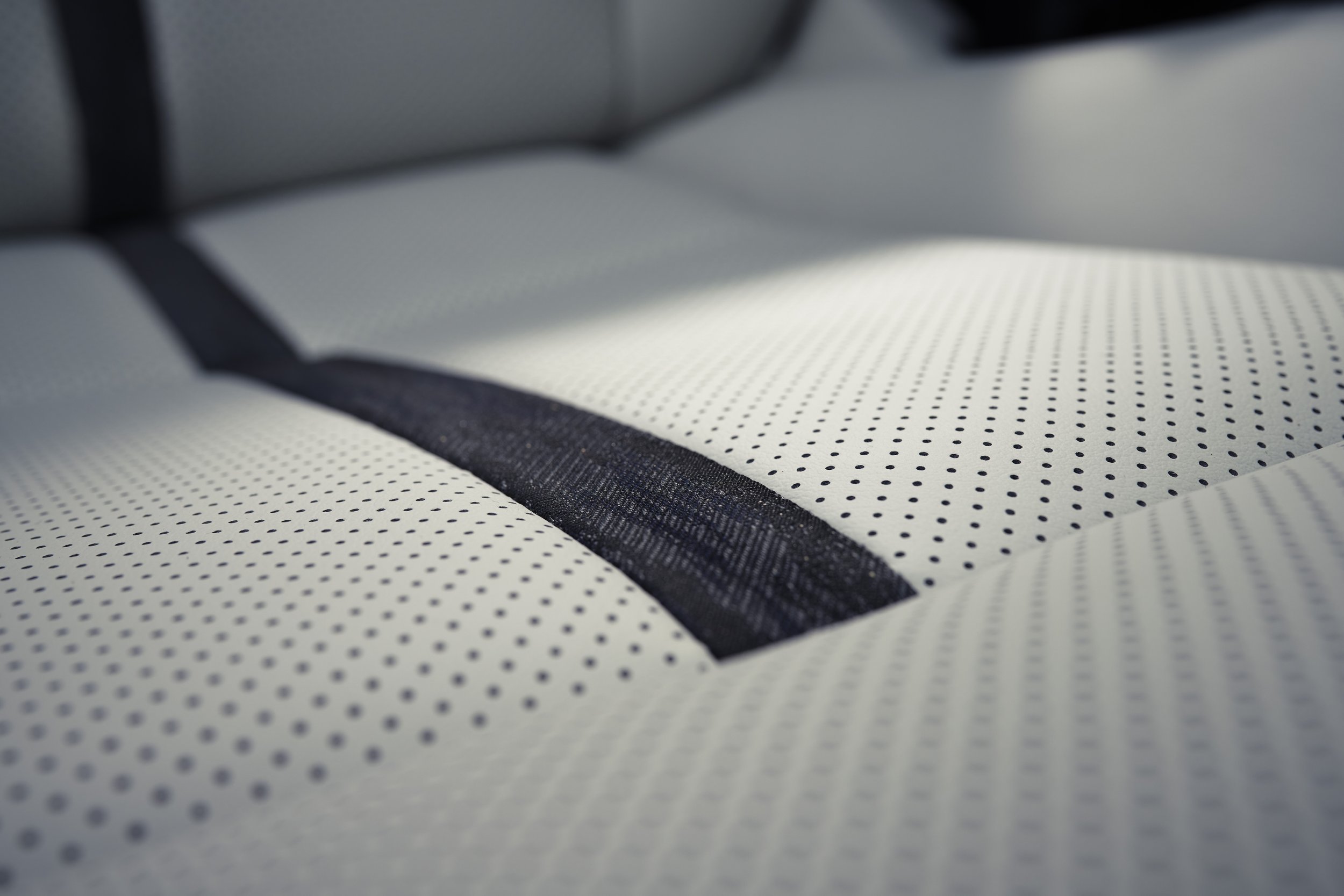
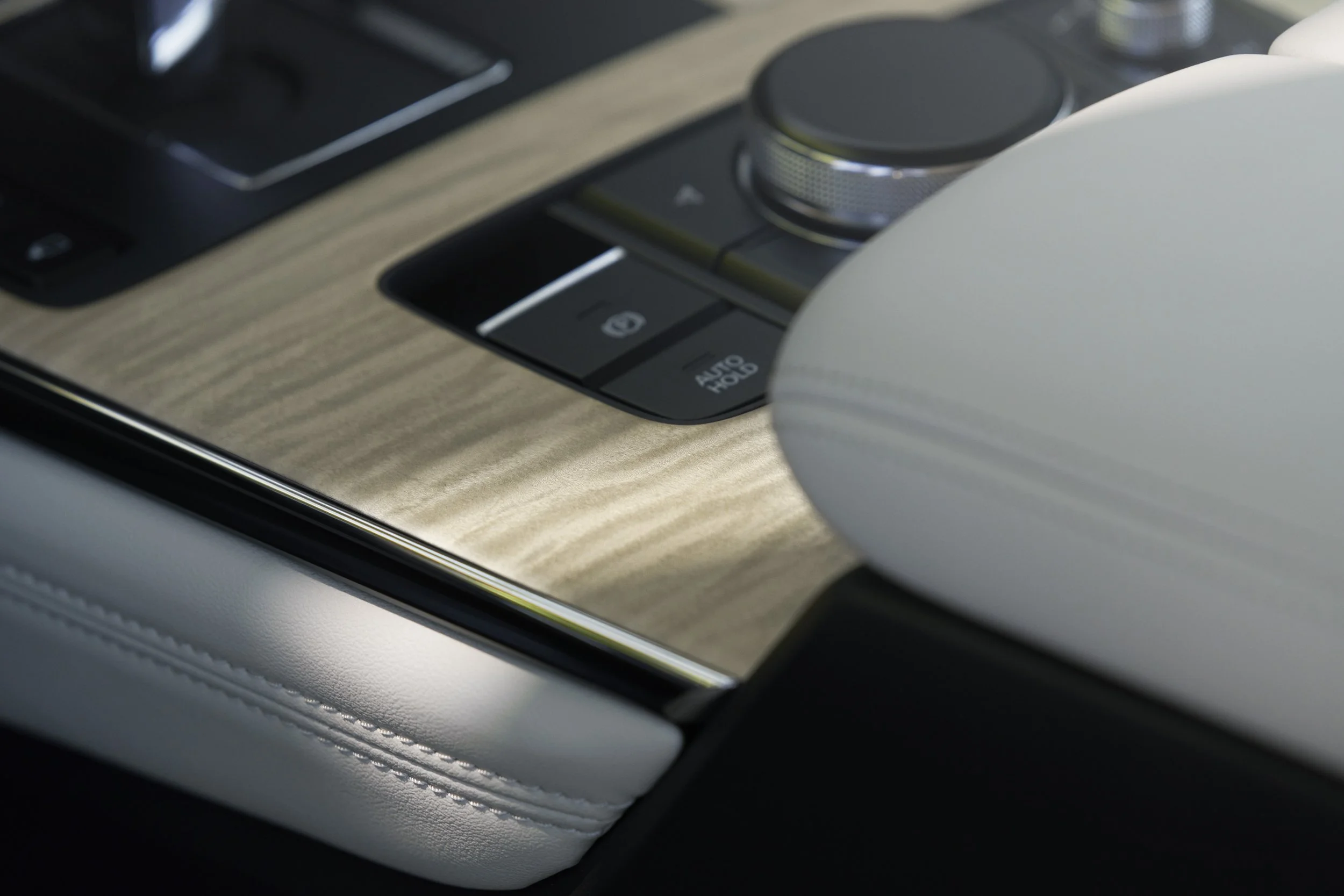
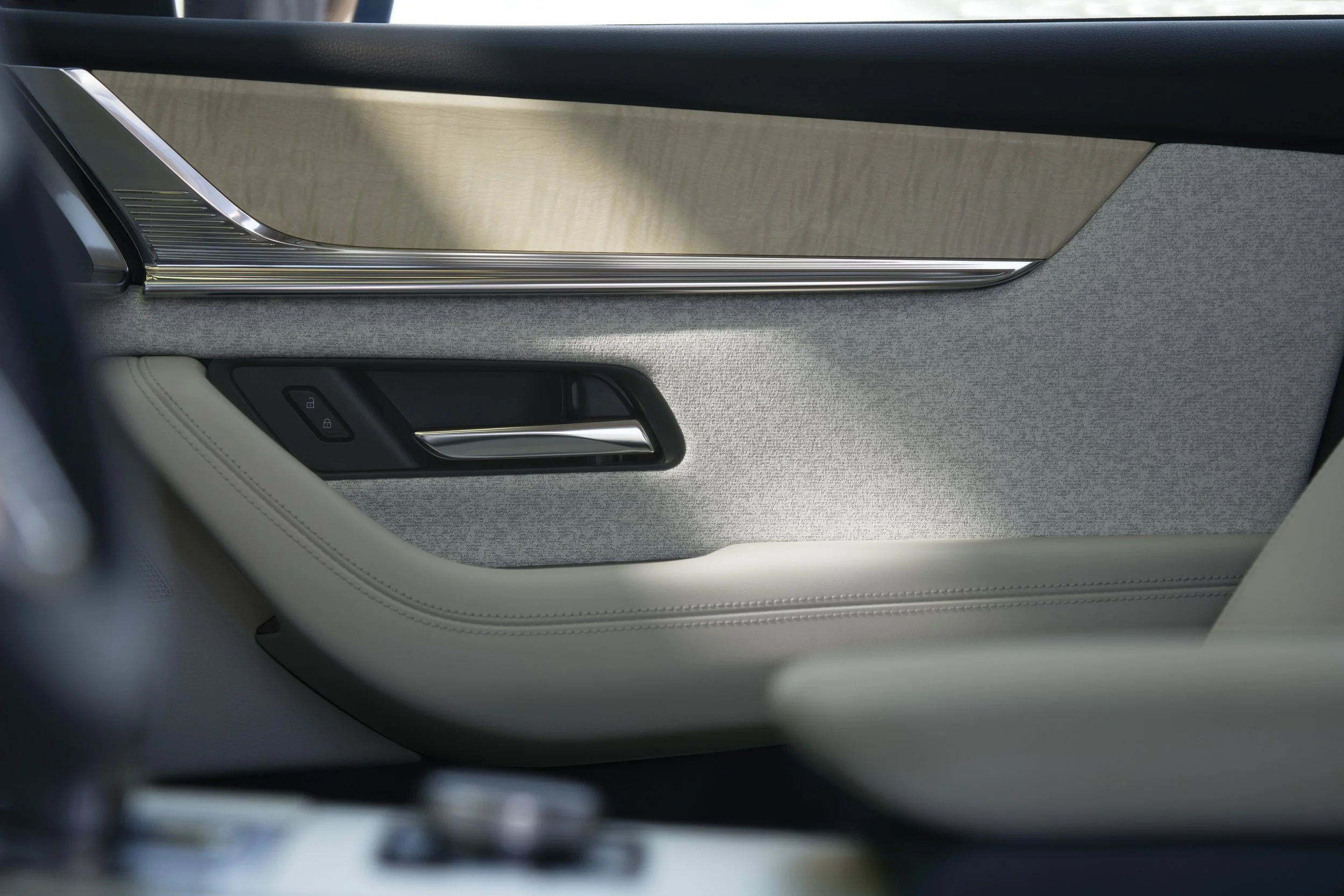
All of the interior trim and pieces in the 2026 CX-90 are oozing with substance, feel, and refinement. In fact, the interior of the CX-90 is on par with any Lexus you can find on the road today. It completely drop-kicks any ‘mainline’ BMW, Audi, and Mercedes as well, whose interiors feel like they belong in vehicles costing $20,000 less than their sticker price.
How did this happen? Around the time of the pandemic and the subsequent microchip issues, automakers decided to cut costs—dramatically. In their infinite wisdom, it was decided that paying for even decent materials and switchgear was eating into their bottom line. Replacing those pieces with capacitive buttons and screens galore is so much cheaper than paying for individual buttons, switches, knobs, quality door trim materials, substantive dash, and lower moldings, etc. In other words, why pay for each one of those pieces when you can just program a screen for pennies instead?
So they did. The marked difference in quality pre-pandemic and post-pandemic is stark, and frankly, alarming. Prices went up while interior quality, ergonomics, and common sense went down. The vast majority of automakers followed suit because the industry ethos is 'copy and paste,' and being different is akin to being flogged in public.
But a beautiful thing happened a few years later. The buying public got sick of their nonsense. Complaints about UI, infotainment, and other technological glitches ran rampant across buyer surveys and the internet. The public demanded, pleaded, and begged automakers to bring back physical controls, but it fell on pompous and arrogant ears in the vast majority of automaker boardrooms. They were making too much money to turn back now and offered the excuse that 'the public wants to interact with their car like they do with their phone.' No, they didn't. The public just wants to drive without crashing and have a vehicle that, errr, works.
The one automaker that didn’t follow the Pied Piper? Mazda.
Instead of pulling resources out of interior design and quality, they poured money into it. They held the course when other automakers eliminated nearly everything in their interior in the mad dash to be another egg-shaped Tesla wannabe.
If anything, Mazda gave a gigantic middle finger to the entire auto industry. They knew they were right, and it was only a matter of time before other automakers followed suit. The perfect example is tallying up recent sales totals. Let's find two companies that went headfirst into the 'screen everything' mentality: VW and Audi. One is a 'regular' brand, and one is a 'luxury' brand. Which one is the ONLY automaker that has gained sales volume in the subsequent years since the pandemic? Only one.
Mazda.
Audi has lost a massive amount of sales volume, tallying a nearly 1,700,000 net loss in volume since 2019! What’s even more alarming is VW, with a massive 4,800,000 net loss in sales volume since 2019!
If you want a premium vehicle with premium interior quality and refinement...
Have you driven a Mazda lately?
Yousef Alvi