2026 Mazda CX50 Review
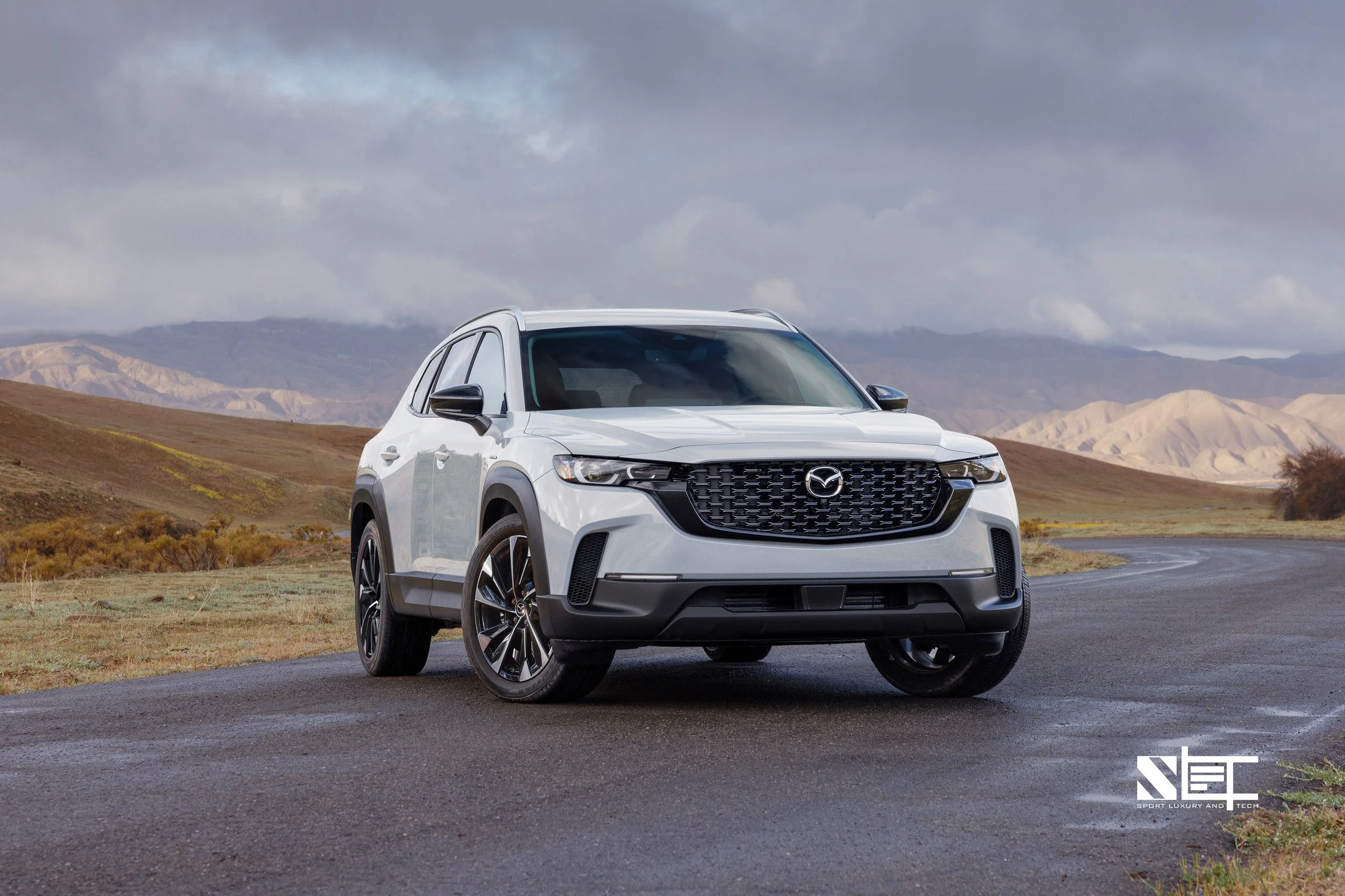
2026 Mazda CX-50: The Stylish Athlete in a World of Rugged Pretenders
Base Price (Turbo): Starting at approximately $39,395 (MSRP)
Engine Specs: 2.5-Liter Twin-Scroll Turbocharged 4-Cylinder
Performance: 256 HP / 320 lb-ft of Torque (with 93 Octane)
Efficiency: 23 City / 29 Highway / 25 Combined MPG
Guy who did stuff : Yousef Alvi
Photography: Manufacturer (tweaked by Yousef Alvi)
The Mazda vehicle lineup consists of one of the best sports cars ever made (period) and a whole bunch of crossovers. For a long time, it was simple to navigate the showroom: the bigger the crossover you wanted, the larger the number on the model name you aimed for. The 3 was the smallest, the 5 was the midsize, and the 9 was the largest. A few years back, however, Mazda threw the buying public a curveball by introducing submodels within those categories—specifically, the CX-50.
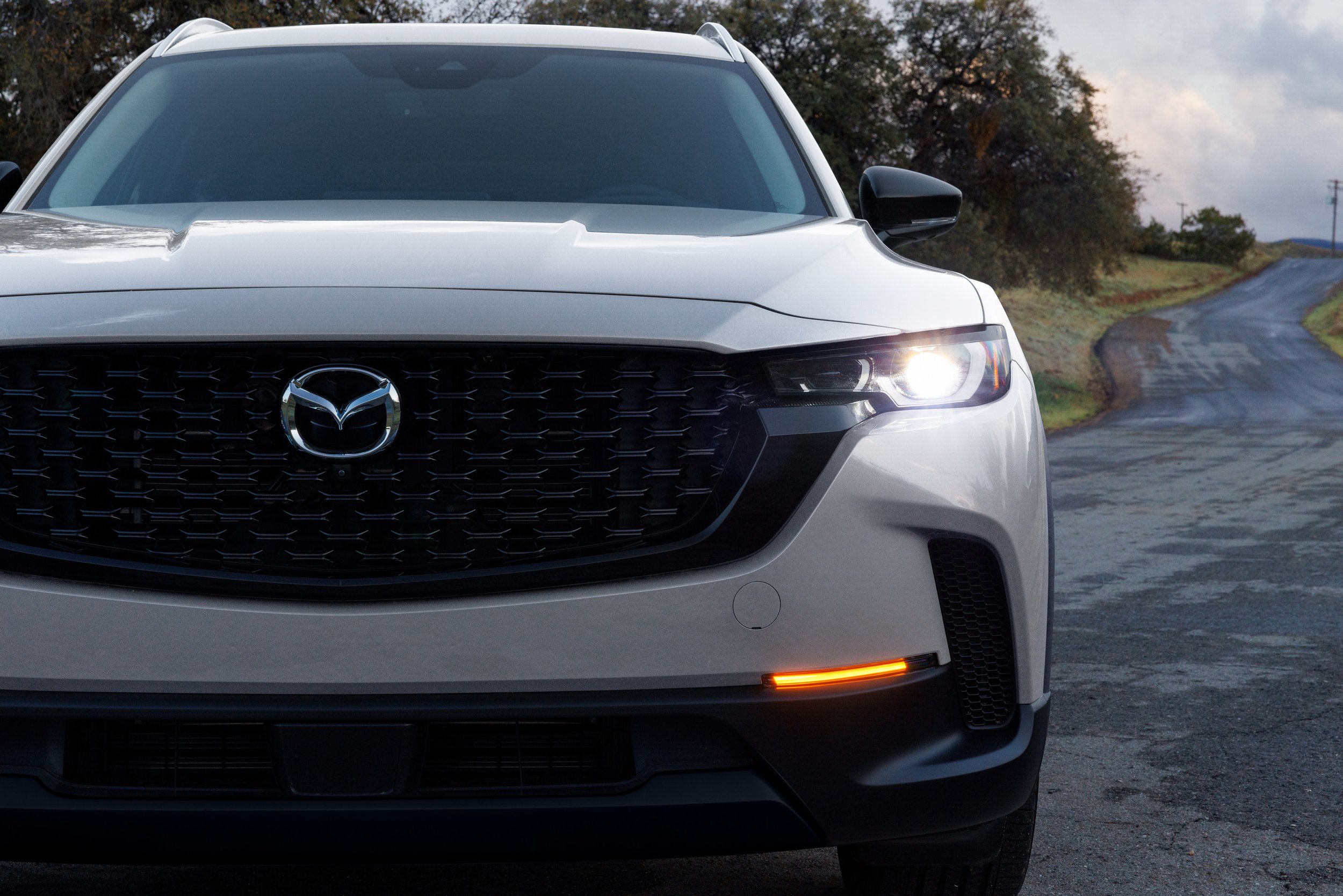
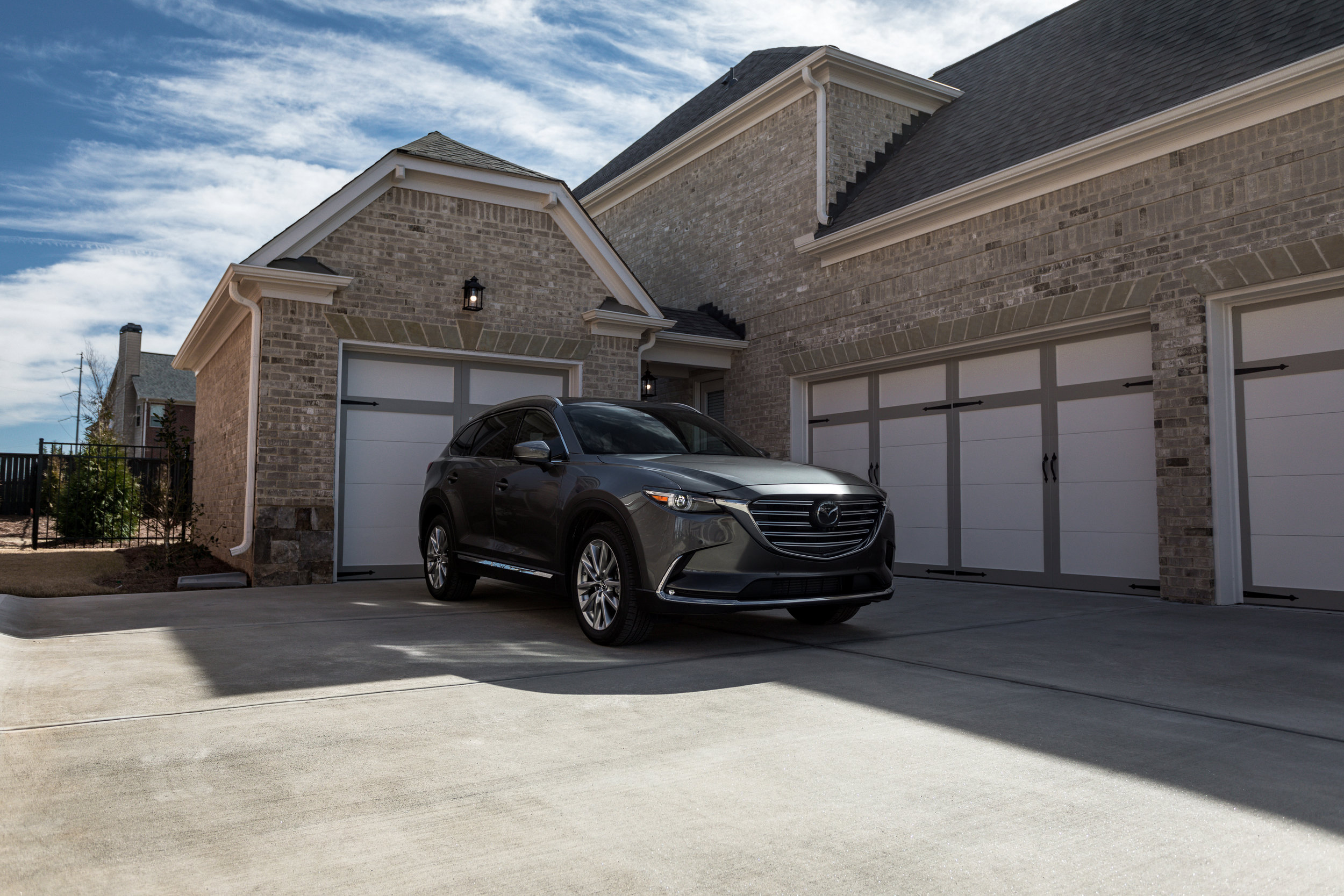
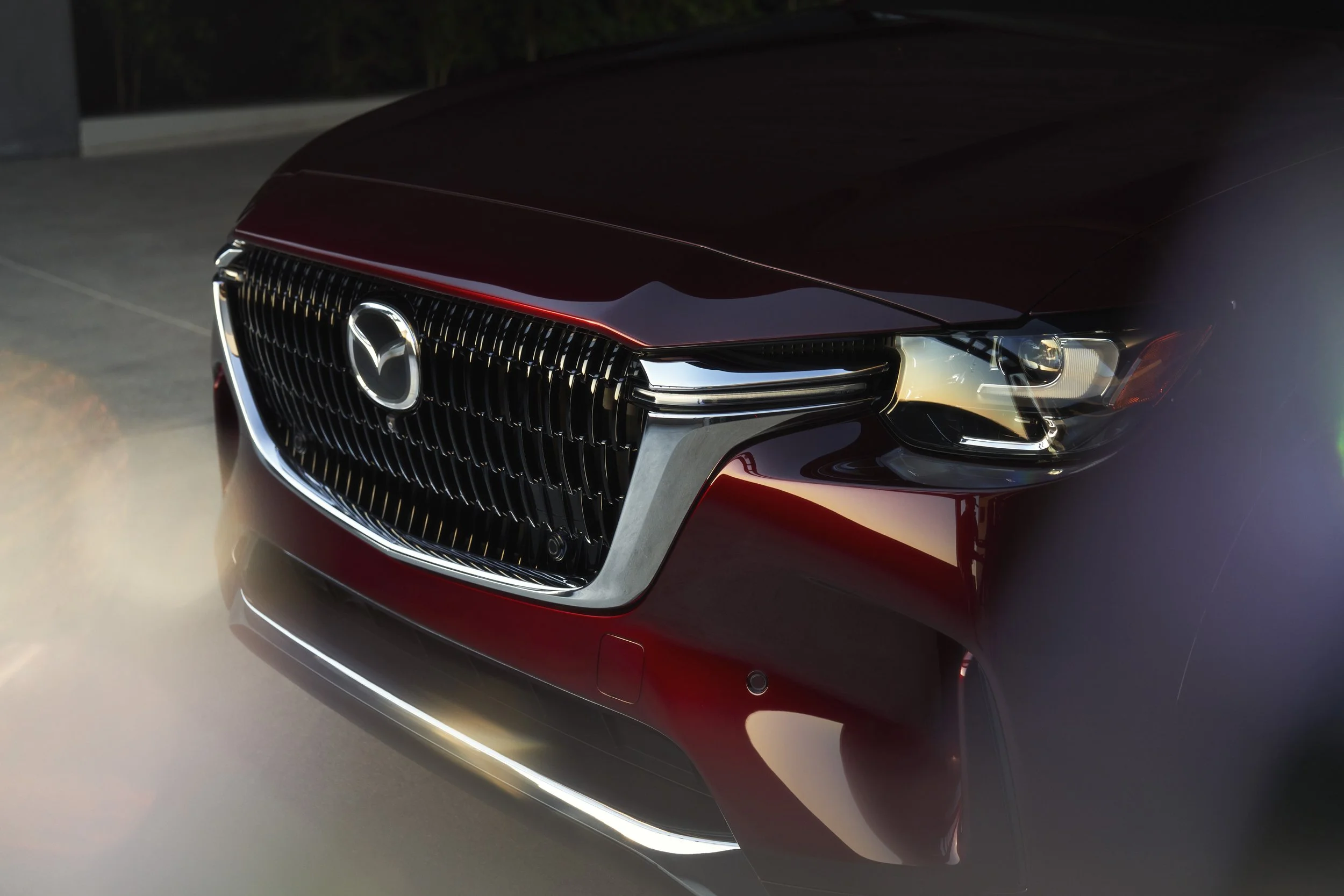
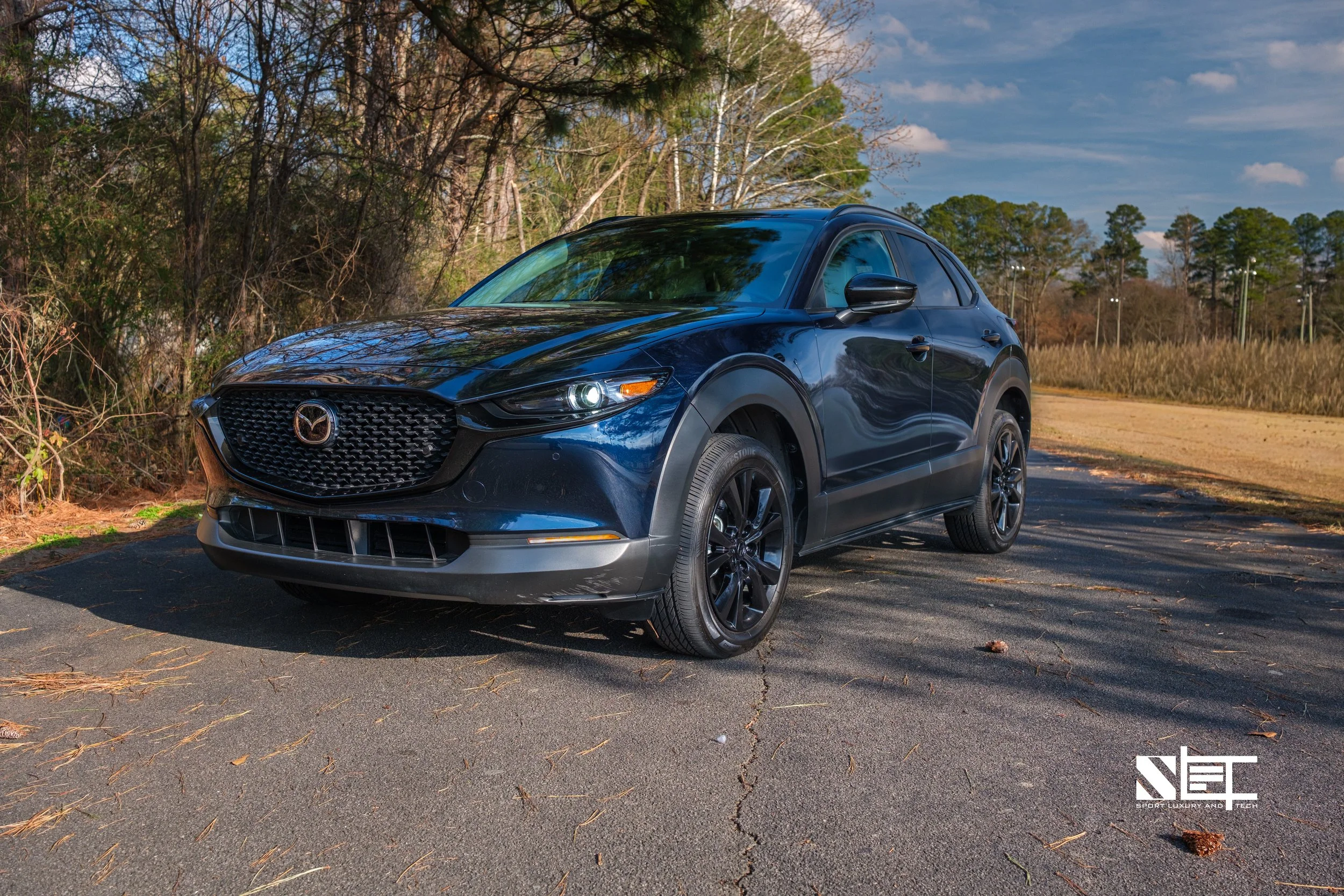
So if you want a midsize crossover today, you could go with the ubiquitous CX-5 or you could go with this: the 2026 CX-50. Dimensionally, they seem nearly identical from bow to stern on paper, but in the metal, the story changes. What does that extra digit in the model name give you? Style. Comparing this CX-50 to the lowly CX-5 is pretty stark. The standard CX-5, while a handsome and recently redesigned crossover, still looks like most other family haulers on the road. The CX-50, on the other hand, with its lower roofline, flared fenders, and shorter overhangs, possesses a stylish distinctiveness. No question about it, the CX-50 is one of the most attractive vehicles on the road today, looking more like a wide-body sport wagon than a traditional SUV.
Mechanically, it remains a close sibling to the CX-5, but with a more muscular edge. Both come paired with the venerable 2.5-liter turbo 4 making a stout 256 horsepower and 320 lb-ft of torque on premium fuel, still mated to Mazda’s tried-and-true 6-speed automatic. While the rest of the world moves to CVTs that drone or 10-speeds that hunt, this transmission stays out of the way. The engine is a torquey companion to whatever platform it’s bolted to, offering stress-free oodles of low-end grunt to waft you around town. Yes, it’s still a bit "diesely" sounding at idle, but it’s no worse than Toyota’s new 2.4-liter turbo units, and it feels significantly more substantial when you bury your right foot.
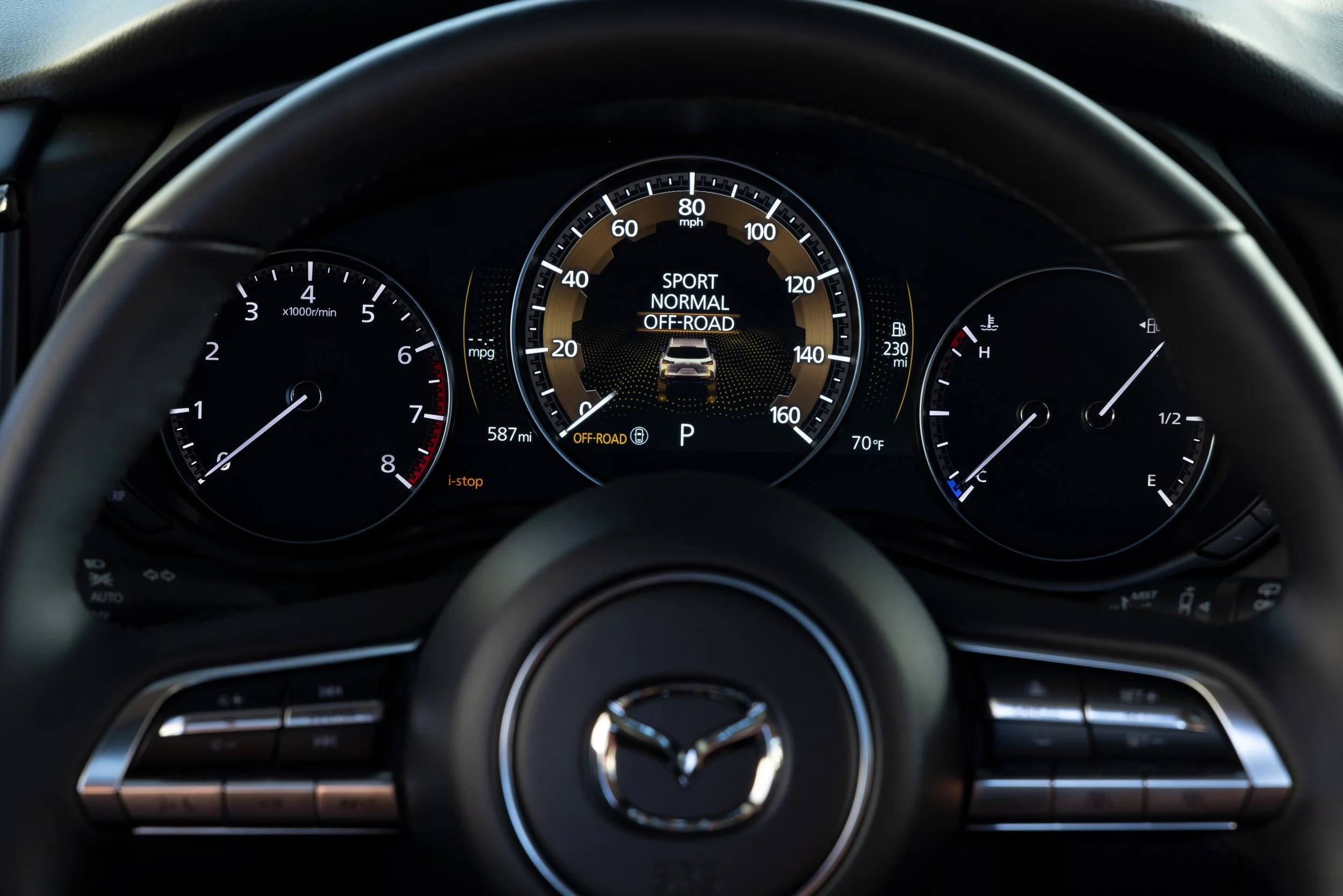
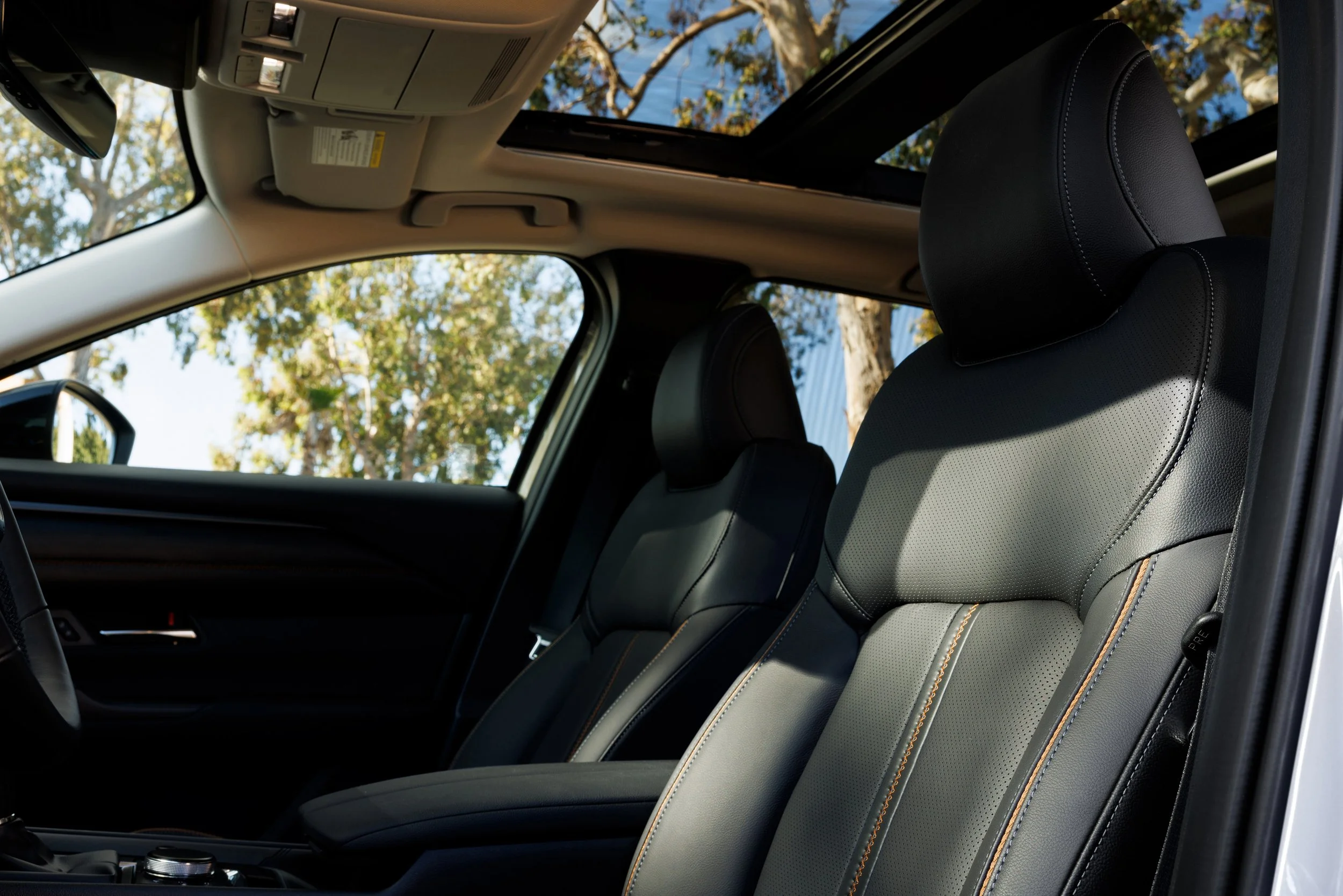
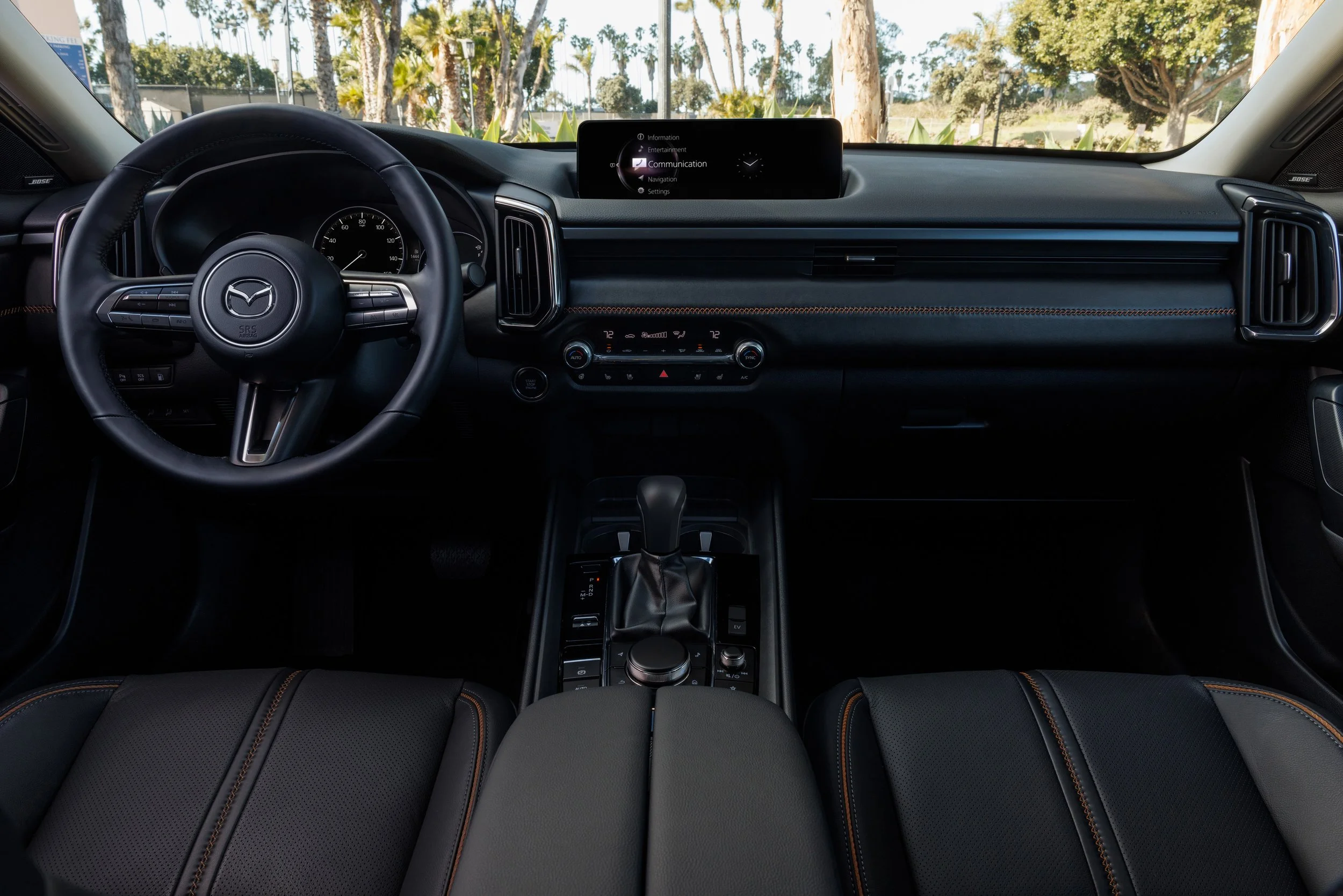
Inside, the Mazda interior magic is still in full abundance. The CX-50 has arguably the best-looking, feeling, and smelling interior in the midsize category. It’s Lexus-level good and smacks the crap out of direct competitors from Honda or Toyota. For 2026, the CX-50 retains its driver-centric layout with a 10.25-inch display and the tactile rotary controller, whereas the new CX-5 has pivoted toward a massive 15.6-inch touchscreen. It’s a choice between "rugged-chic" and "high-tech," but the CX-50’s terraced dashboard and unique vertical air vents give it an artisanal feel that the more mainstream CX-5 lacks.
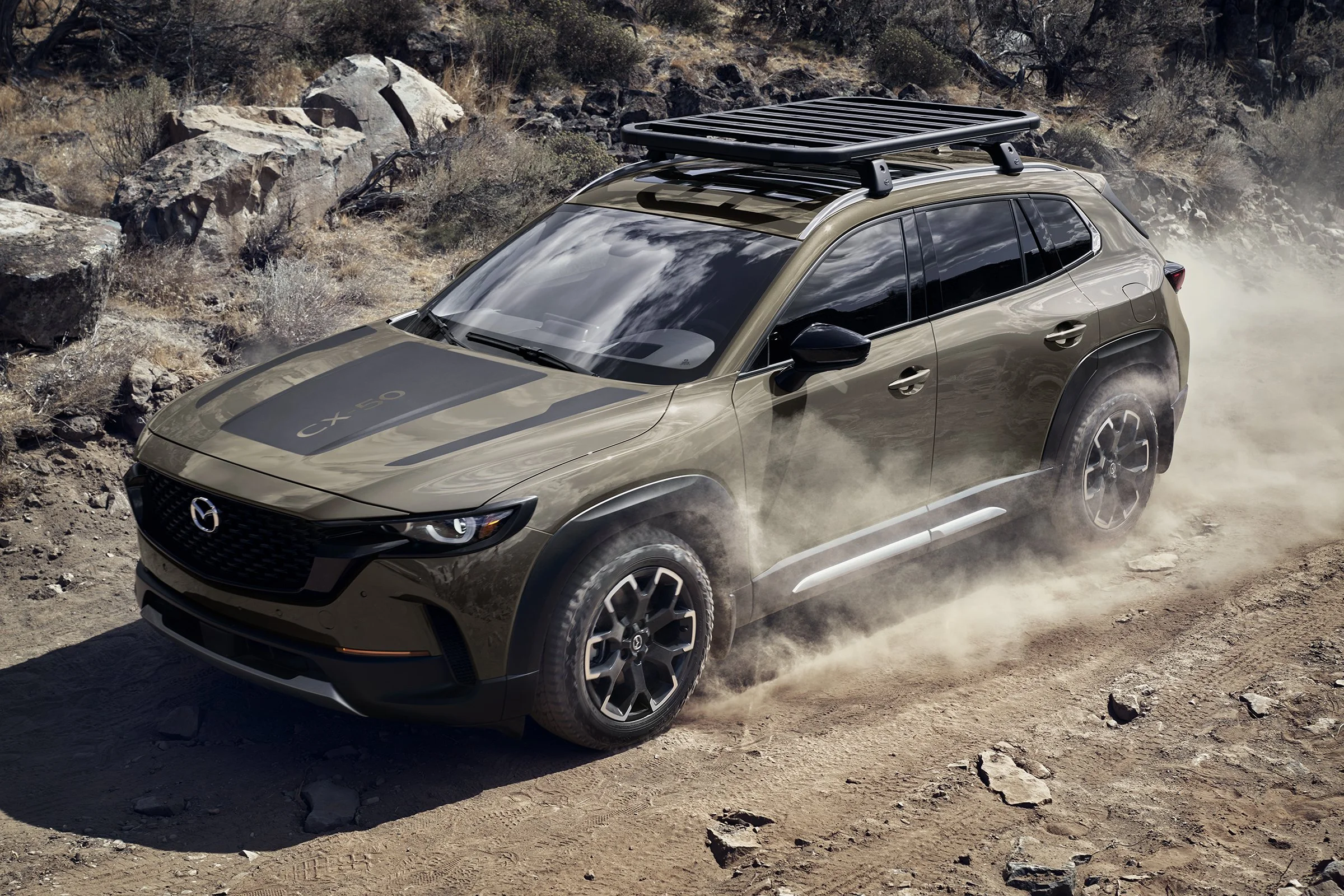
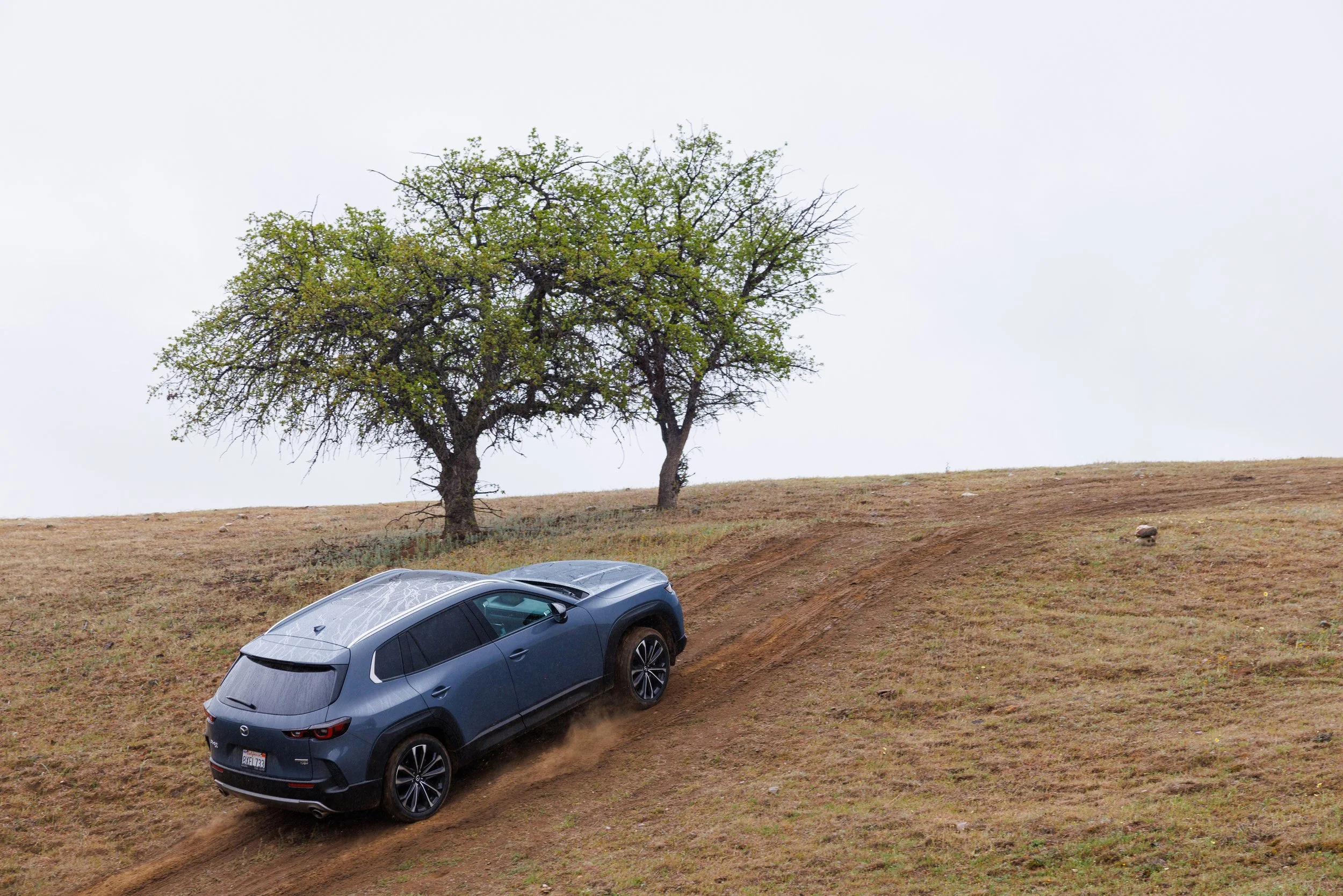
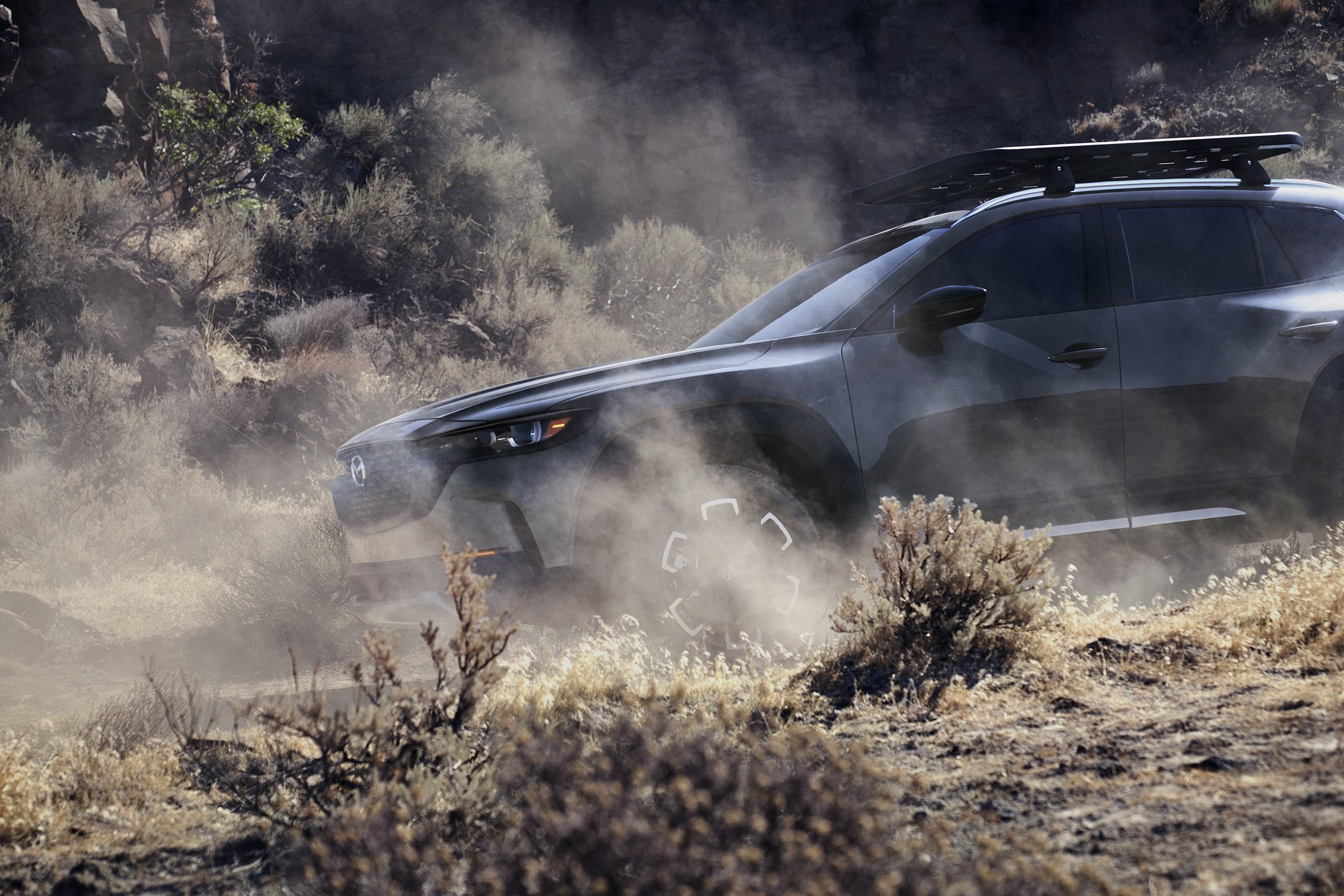

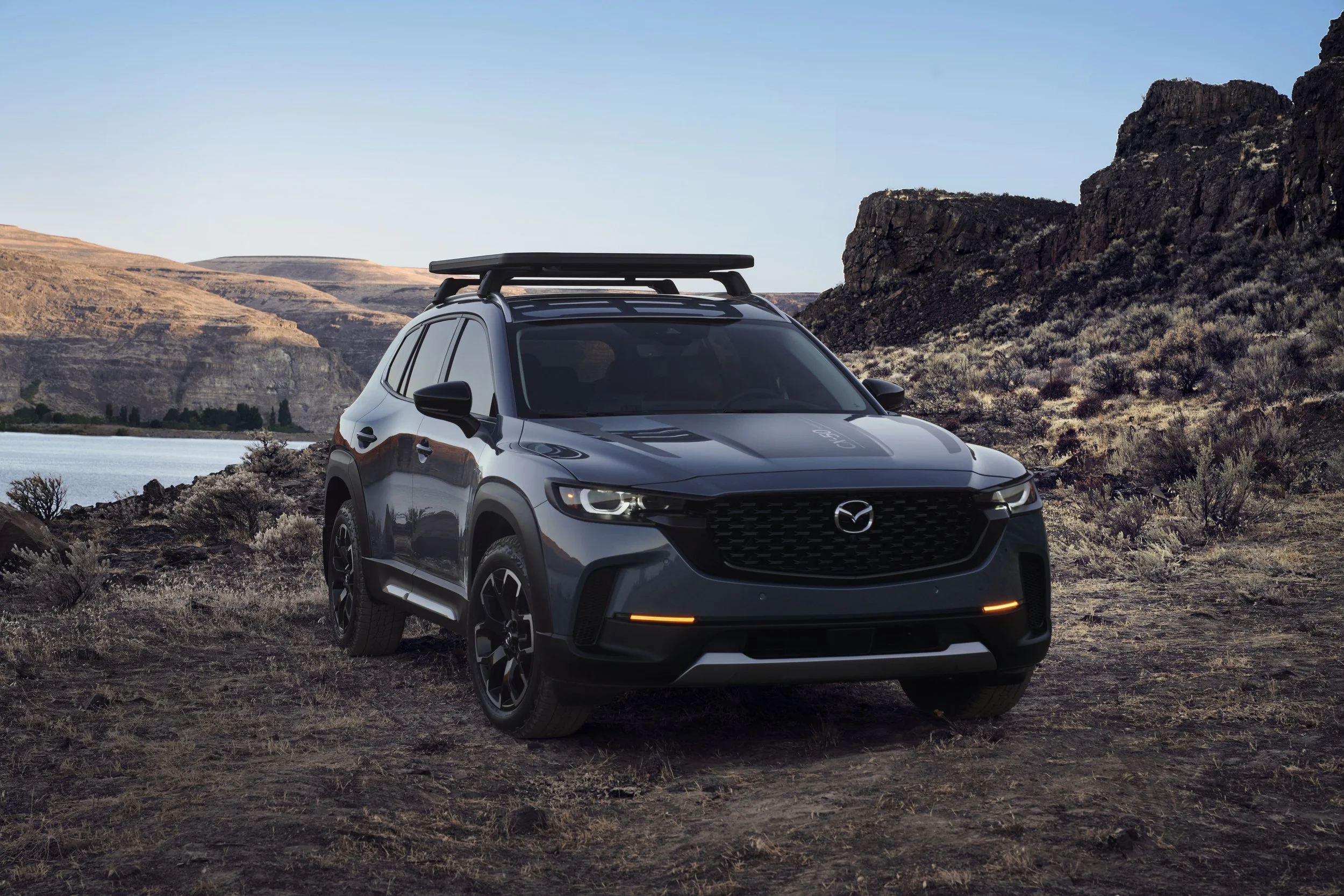
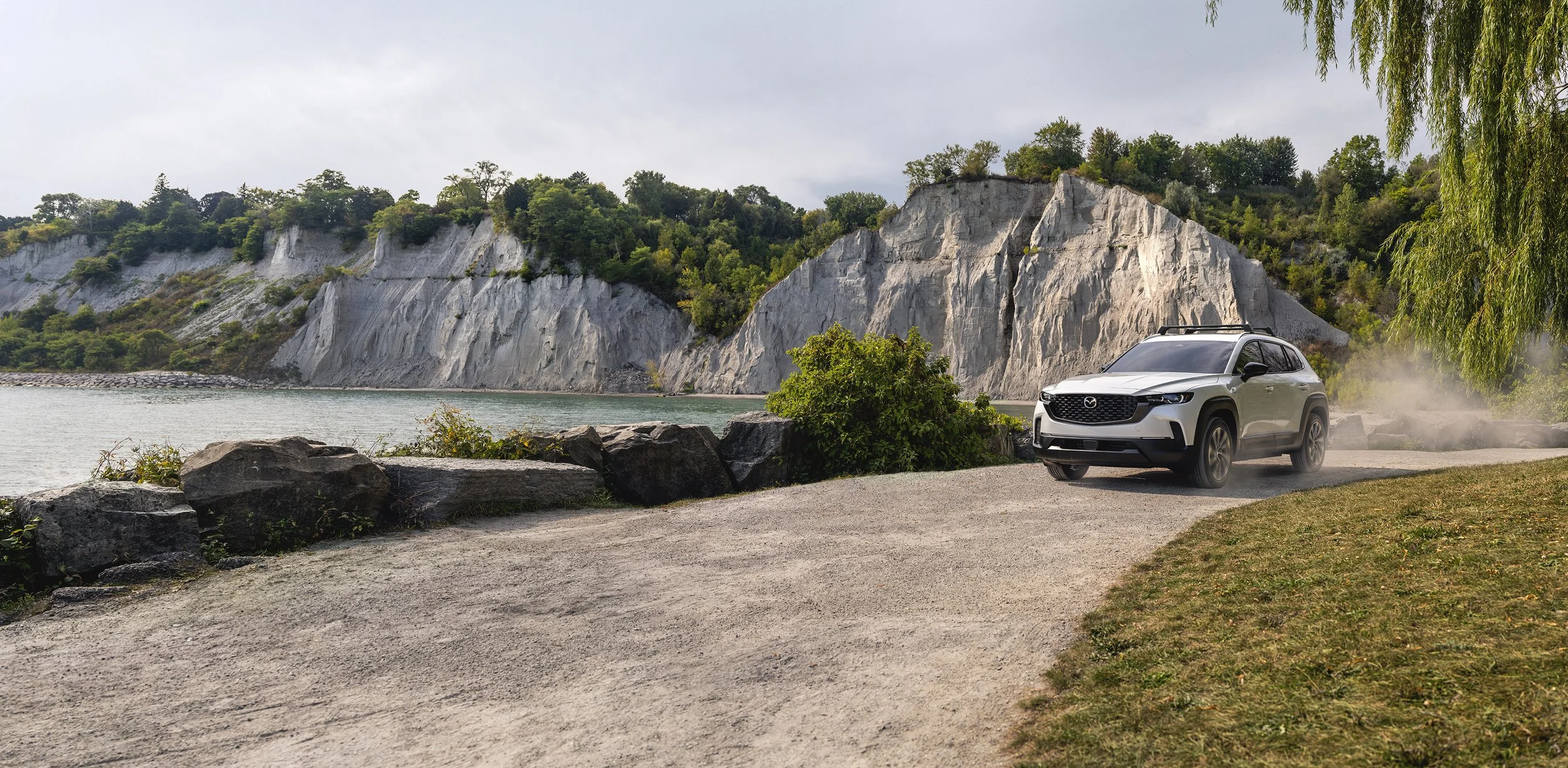
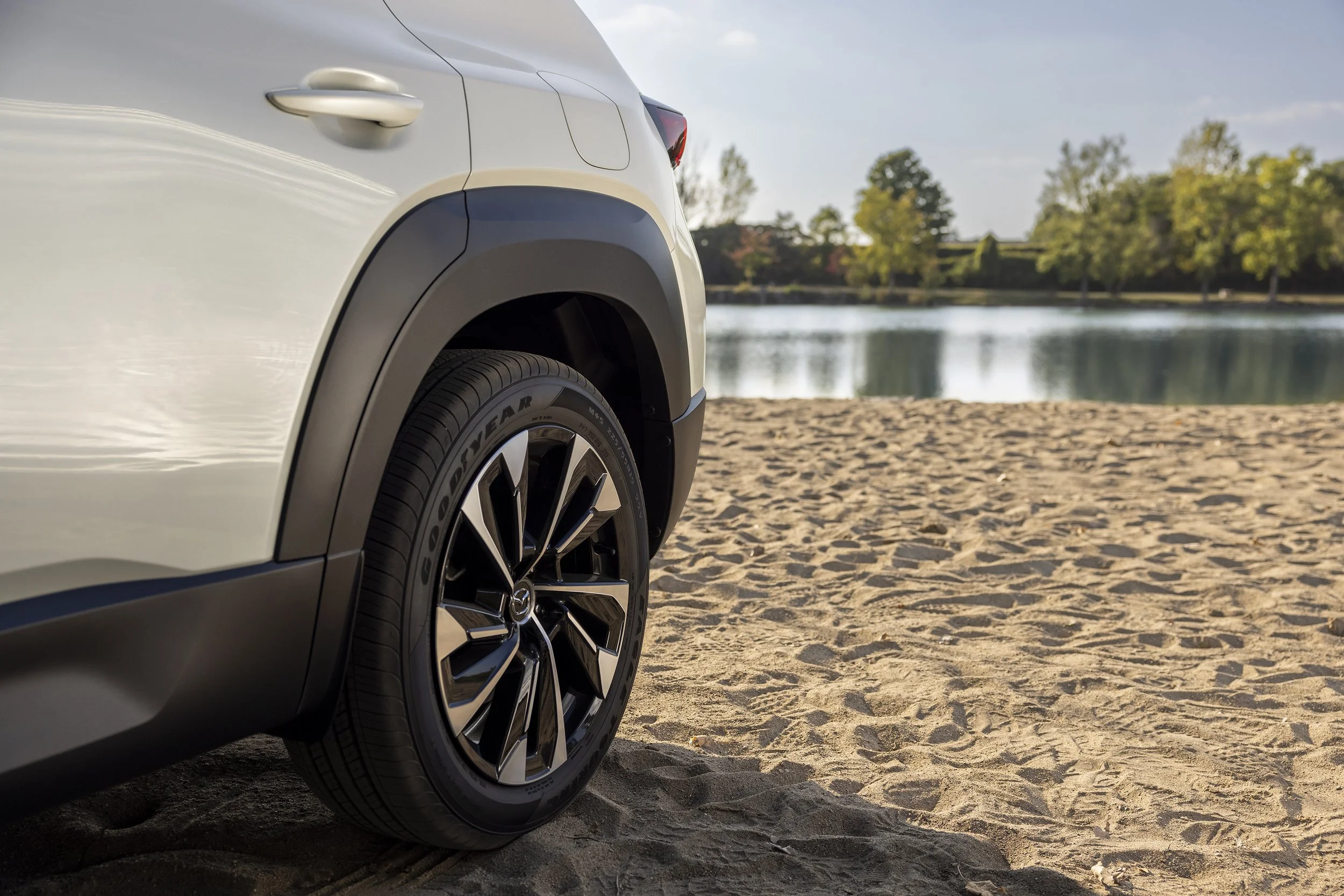
The only thing that confuses me is how Mazda markets the CX-50. Looking at the promotional materials, the CX-50 is touted as a Subaru Forester-like vehicle—a rough-and-tumble ute that can forge rivers, mountains, and valleys. Yet, stepping inside and driving it, there is absolutely no inclination of that whatsoever. Maybe it was the absurdly large 20-inch wheels on our test vehicle, but to me, the CX-50 feels like the complete opposite of a mud-bogging runabout. It feels buttoned-down, agile, and sporty compared to the rest of the field. It’s a car for the canyons, not the craters. Sure there is the new ‘Meridan’ trim but the only thing that does is bolt on a set of 18 inch All Terrain tires on the CX-50. No skid plates, lifted suspension, body cladding, retweaked AWD or any other ‘off roady’ goodies.
When you look at the siblings side-by-side for 2026, the differences become clear. The CX-50 is longer (185.8 inches) and wider than the CX-5, but it sits notably lower. While the CX-50 offers 31.4 cubic feet of cargo space with the seats up—beating the CX-5’s 29.1—the CX-5’s taller roofline actually gives it more total volume when the seats are folded flat. Performance-wise, the CX-50 is the heavy hitter, capable of towing 3,500 lbs in turbo trim compared to the CX-5’s 2,000-lb limit. Financially, the CX-50 actually starts slightly lower at roughly $29,900 for the base model, whereas the redesigned CX-5 starts closer to $31,500. However, once you spec the Turbo Premium trims, the CX-50 climbs quickly into the mid-$40k range.
Ultimately, the CX-50 is a triumph of engineering over marketing. Mazda wants you to believe this is a mountain climber, but its true talent lies in being the most evocative, driver-focused wagon masquerading as an SUV on sale today. If you genuinely need to traverse a jungle, buy a Jeep; if you want to look like you could traverse a jungle while actually carving up a backroad with surgical precision, buy this. It’s a beautiful, confusing, high-heeled athlete that makes the "logical" choice of the CX-5 feel just a little bit boring.