2026 Toyota Bz Review
The 2026 Toyota bZ4X: A Model Y Rival with a Dose of Common Sense
MSRP: $36,350 (Base) / $40,850 (As Tested: XLE FWD Plus)
Battery Specs: 74.7 kWh Lithium-ion (XLE Plus)
Motor Specs: 221 hp / 196 lb-ft Torque (Single Motor FWD)
0-60 and Efficiency: 7.6 seconds | 4.0 miles per kWh
Guy who did stuff: Yousef Alvi
Photography: Manufacturers
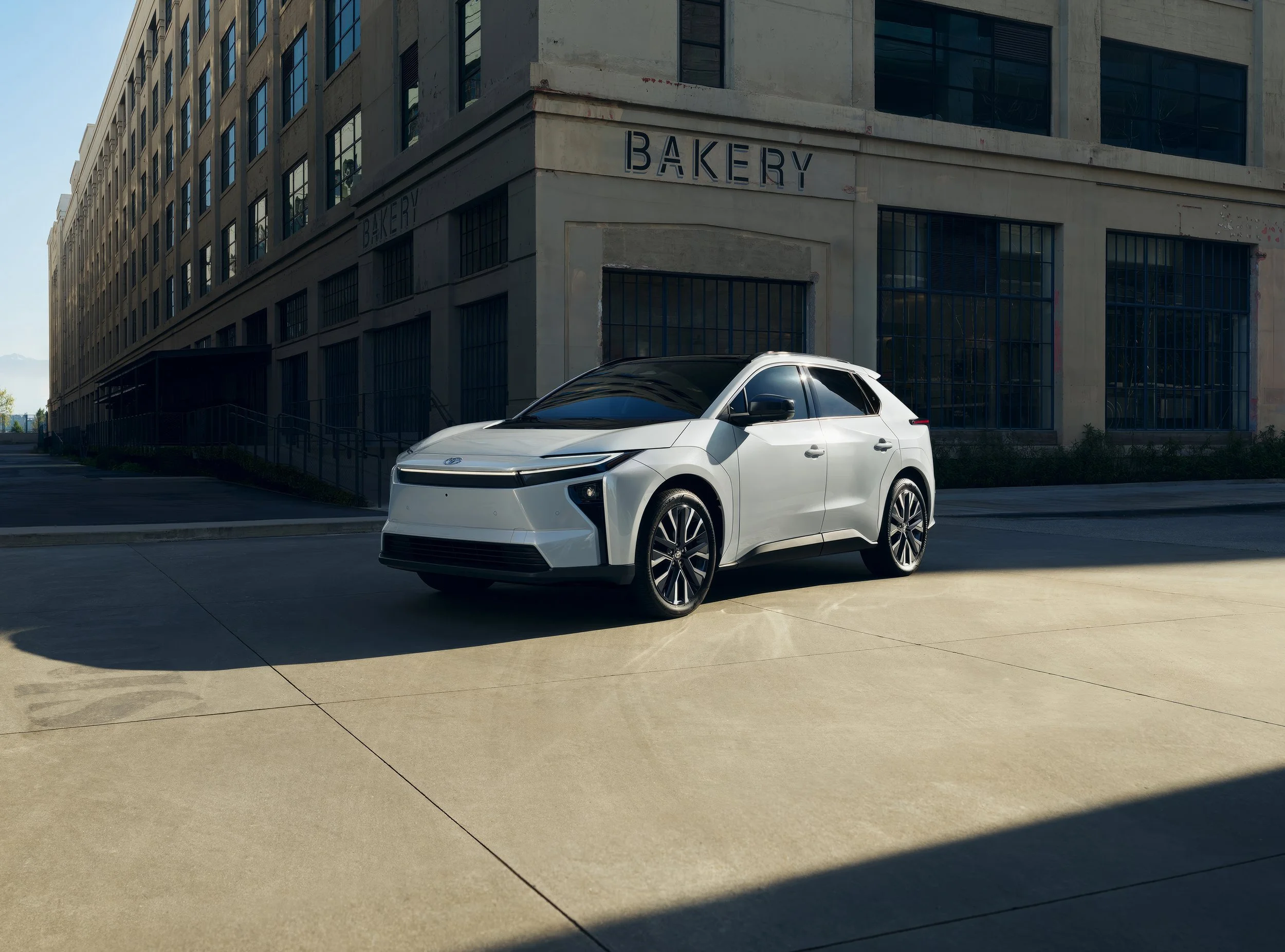
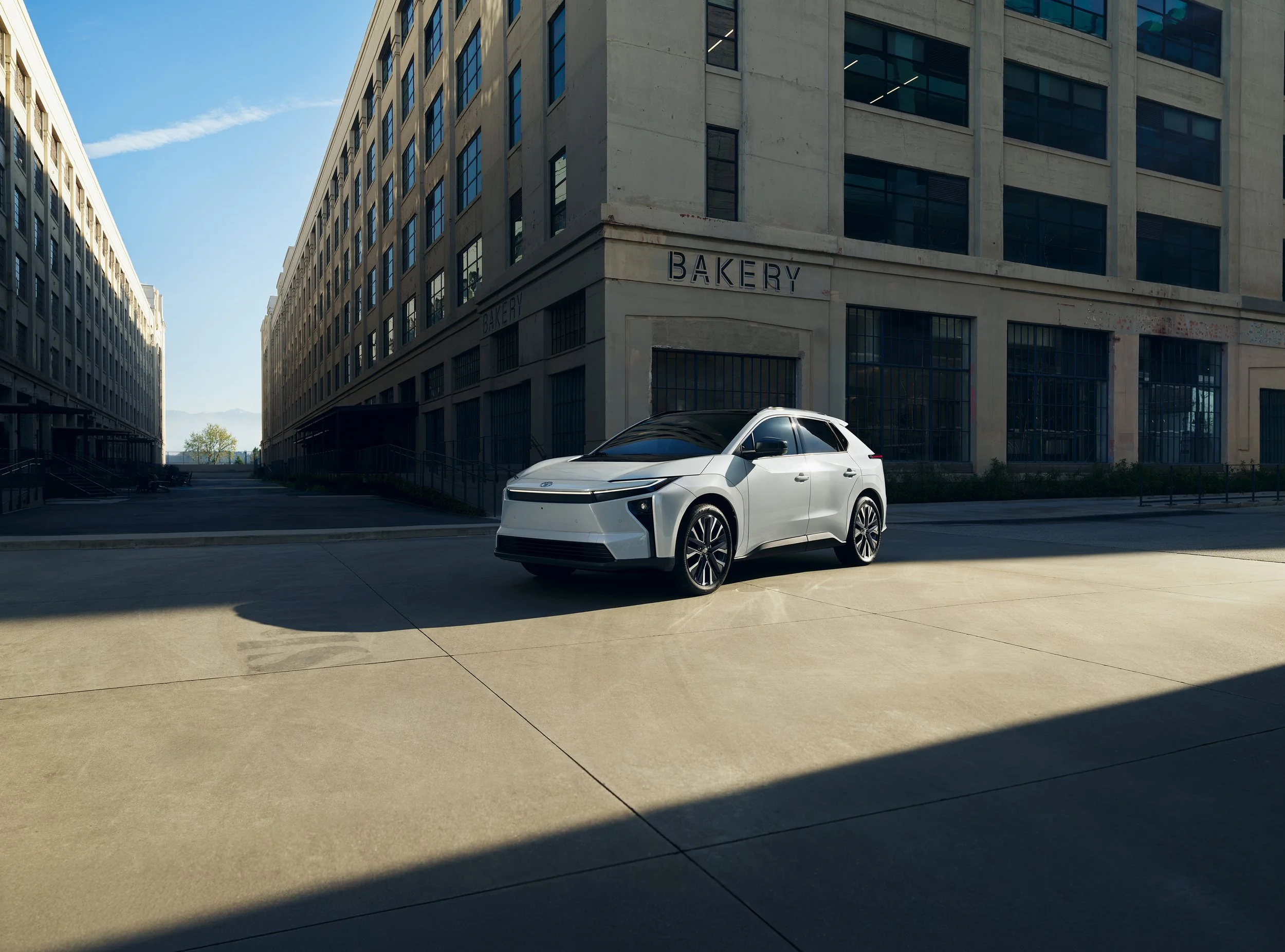
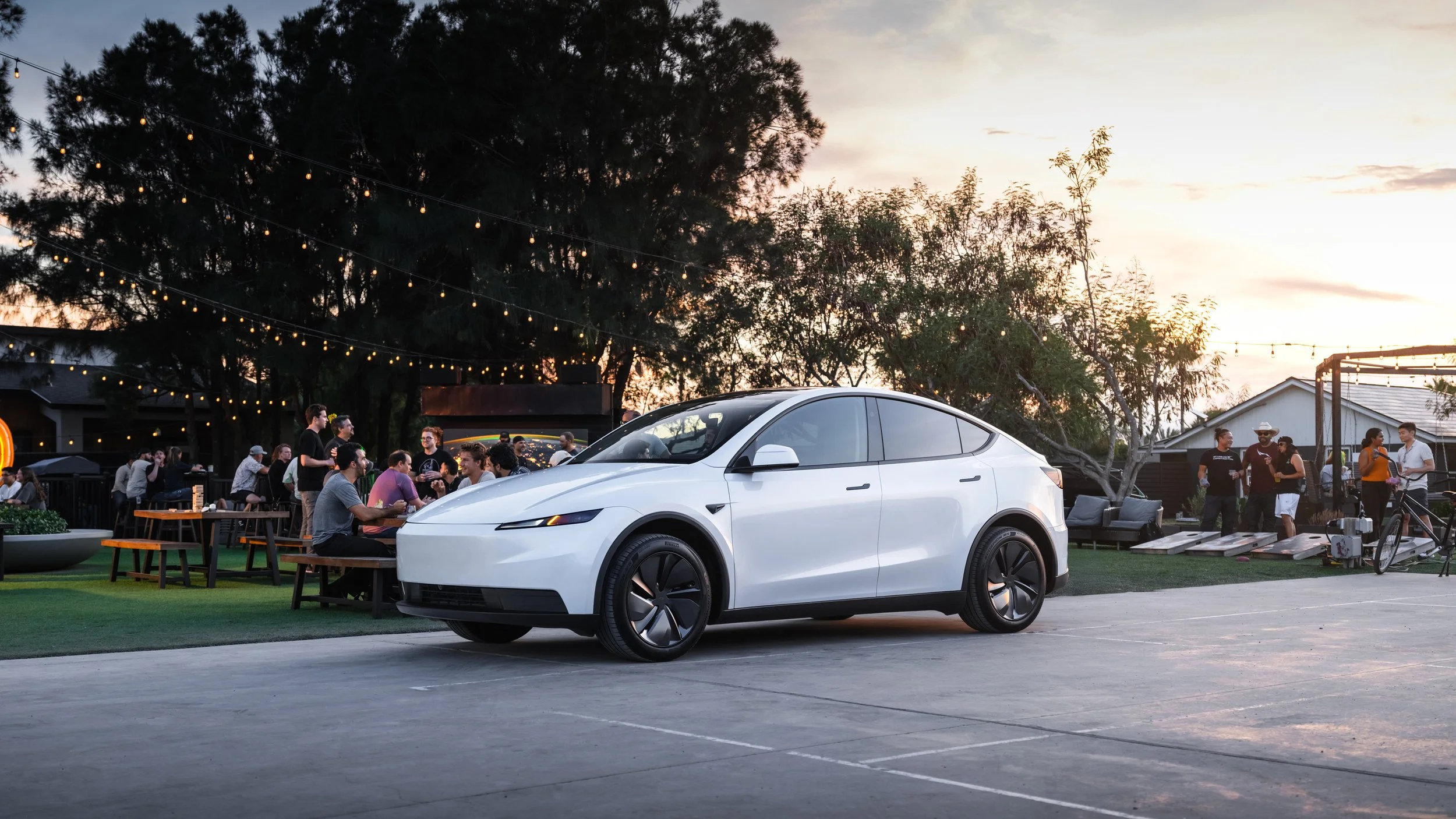
This is the new Toyota Model Y—errrr, bZ. Okay, let’s try this again. Welcome to the new Toyota bZ which is, for all intents and purposes, Toyota’s version of the Tesla Model Y. See? That’s much better. While Toyota has shortened the name to just "bZ" in some markets for 2026 (like our tester) but in some you can still find the "4X" badge, signifying it’s ready for the crossover wars—even in this Front-Wheel Drive XLE guise.
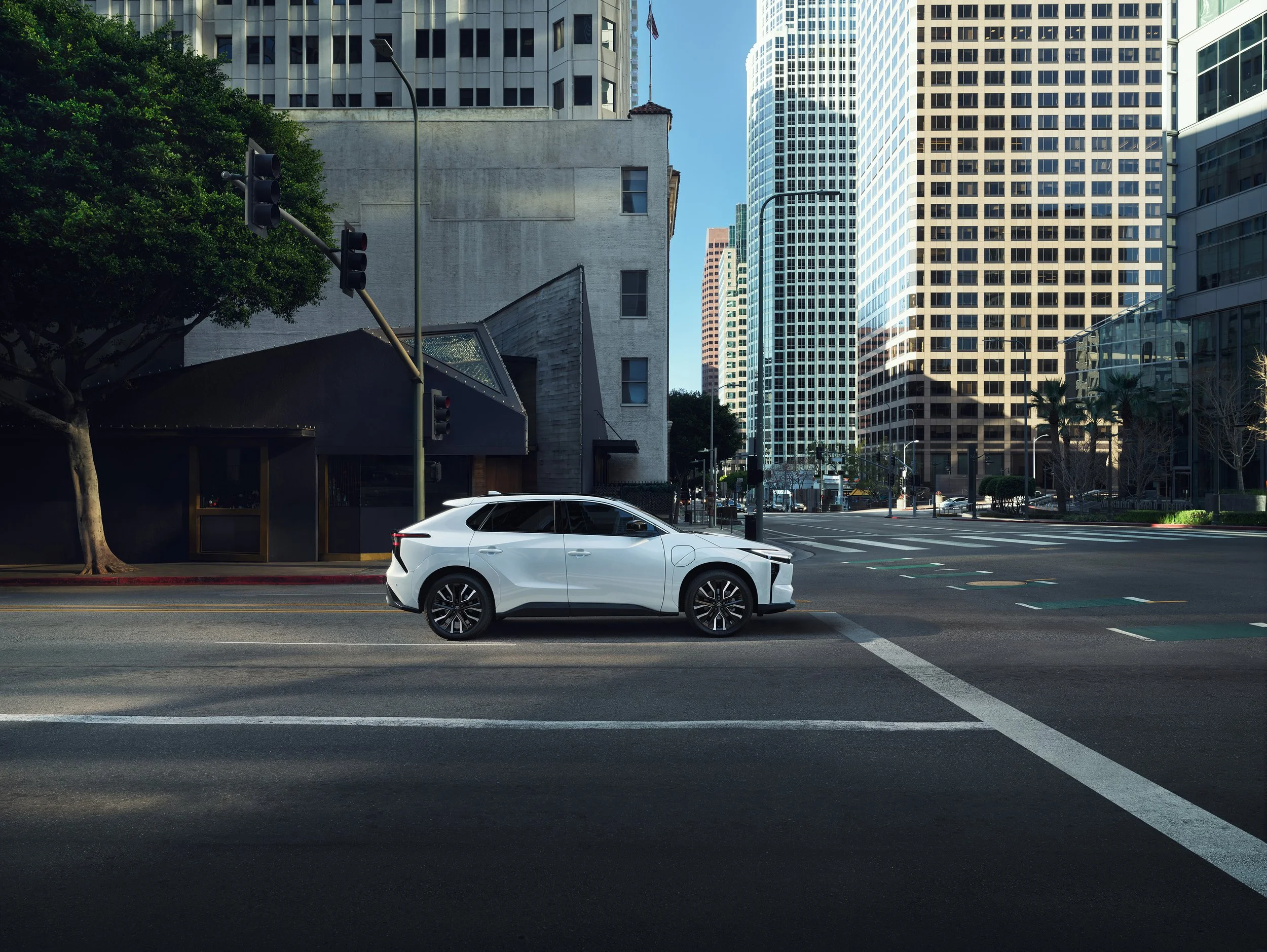
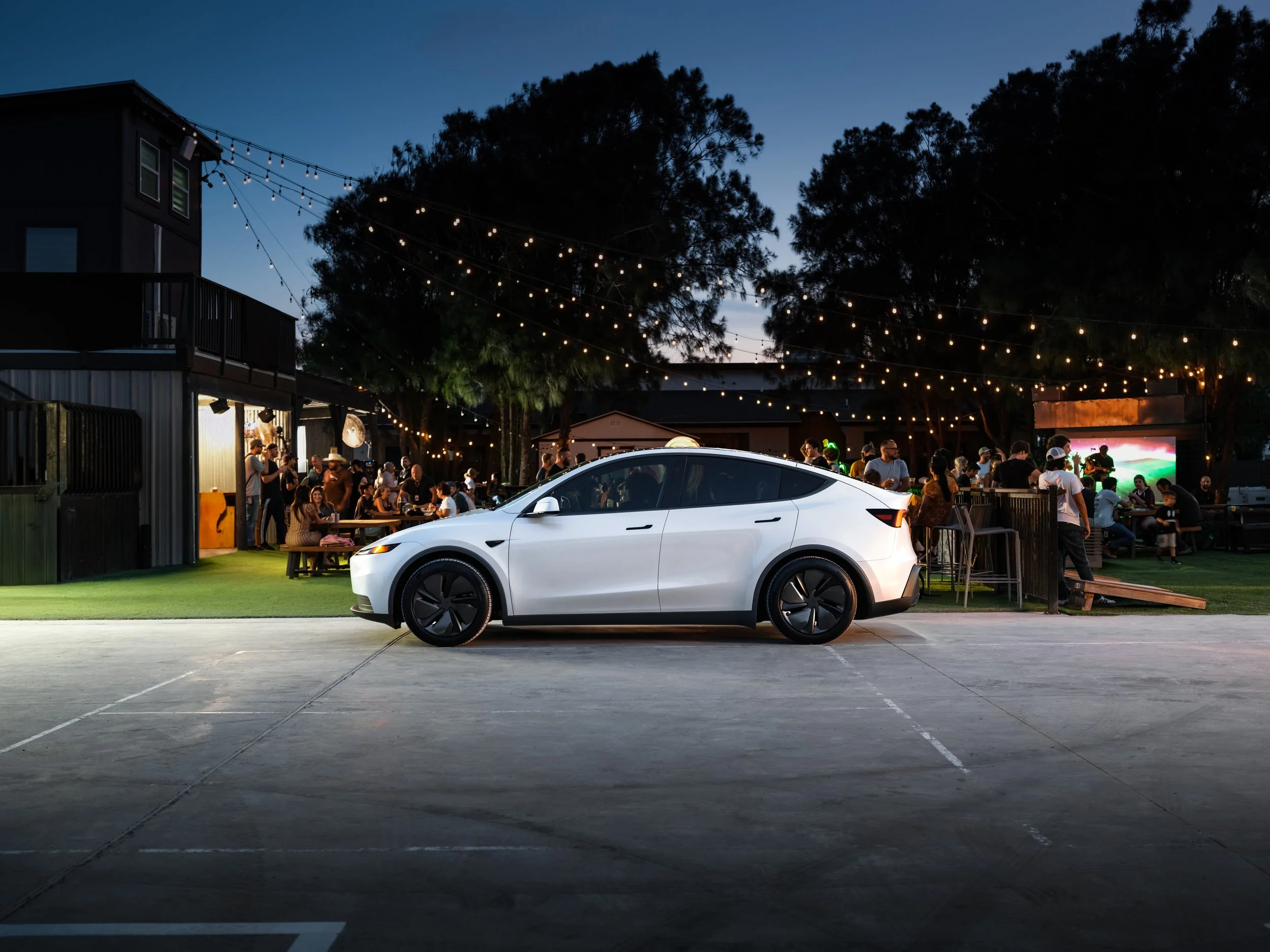
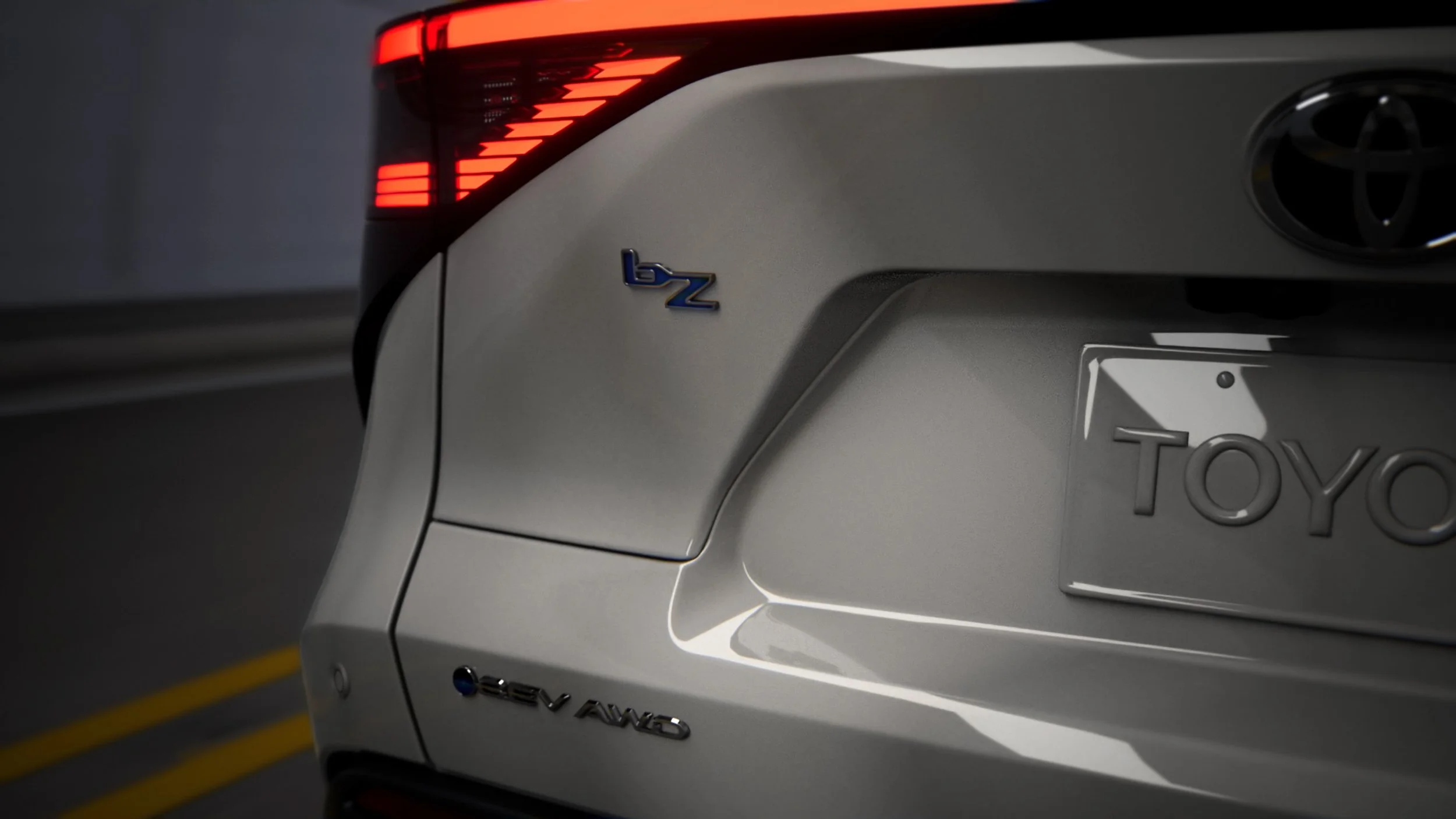
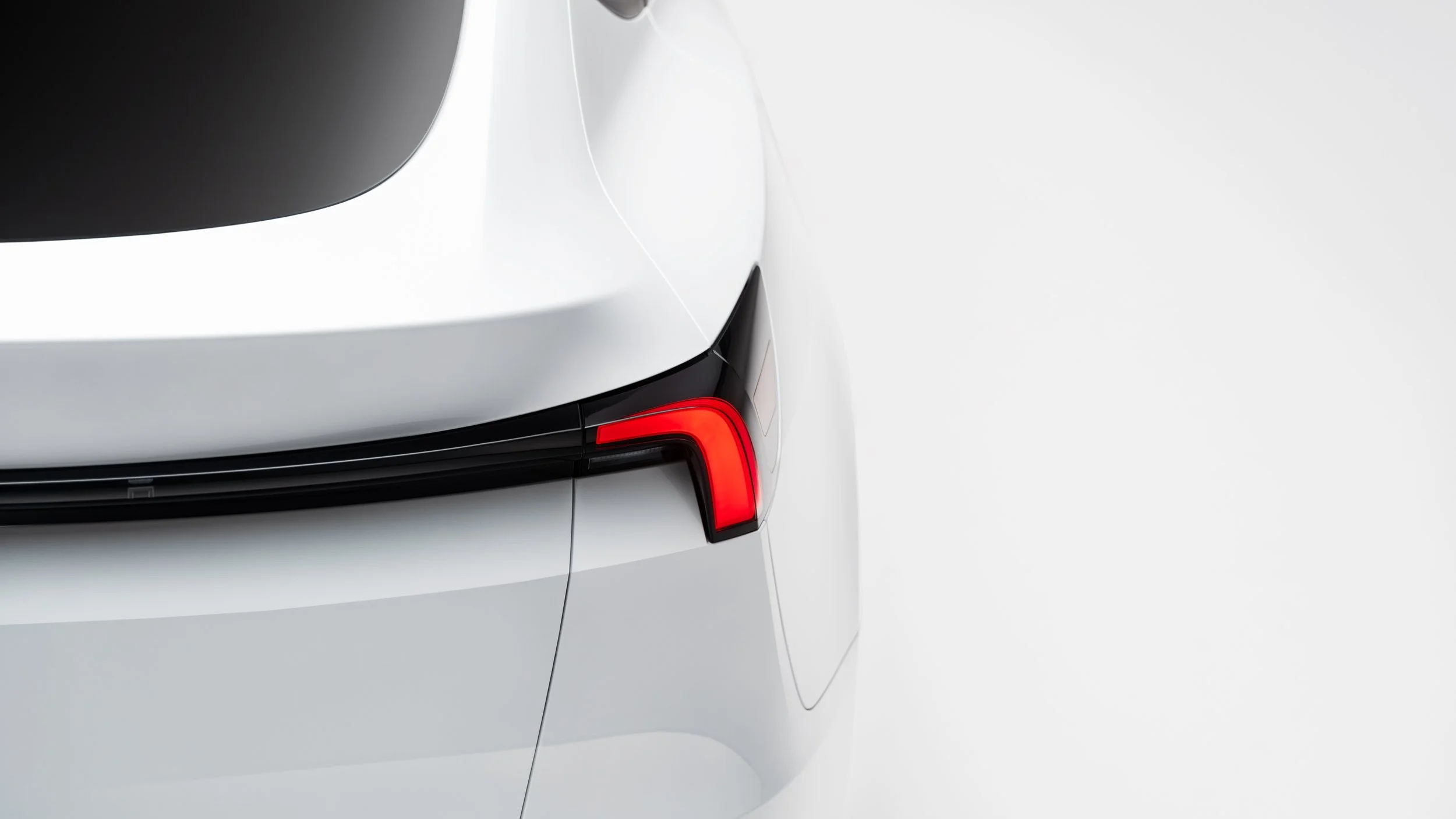
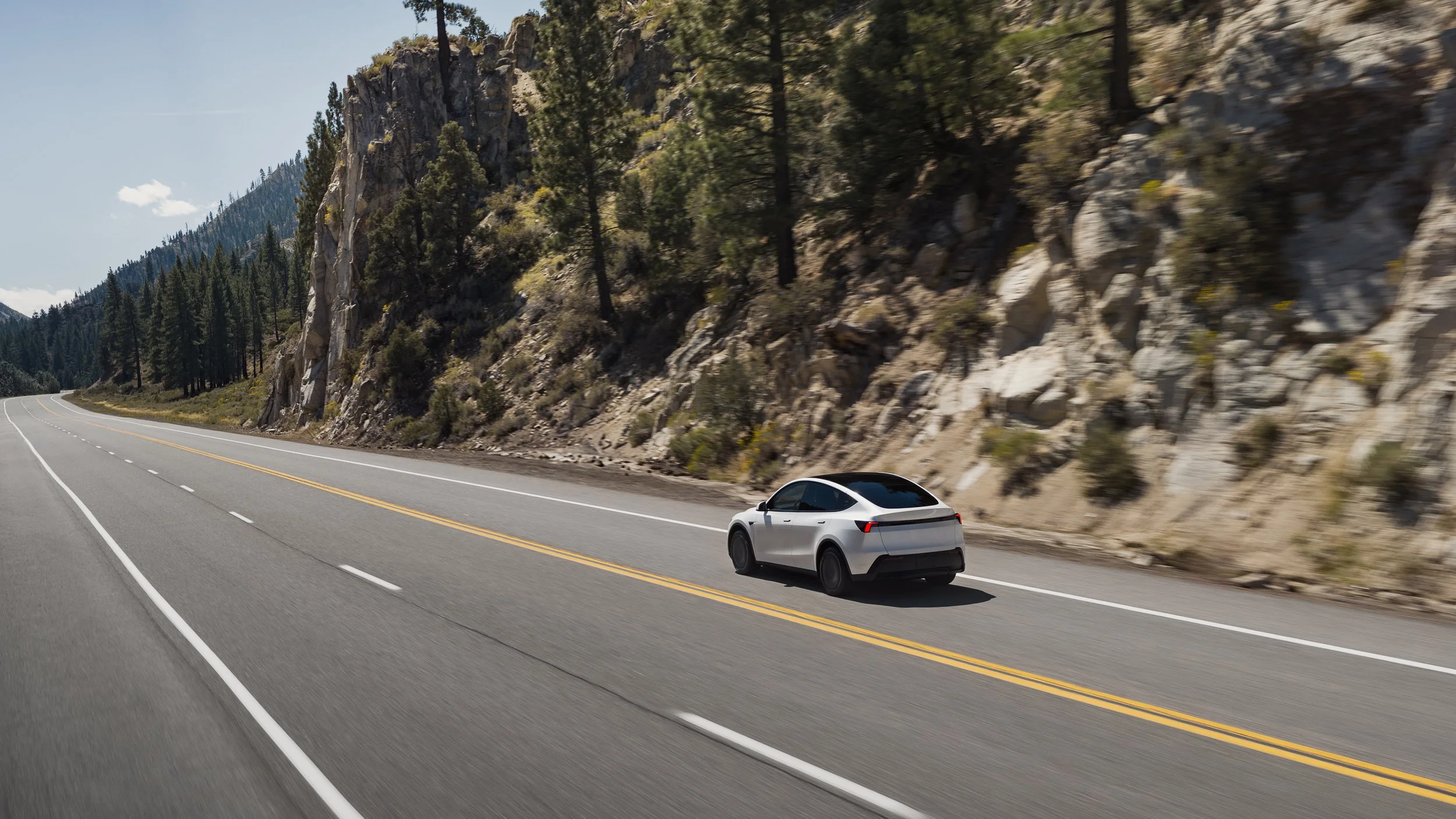
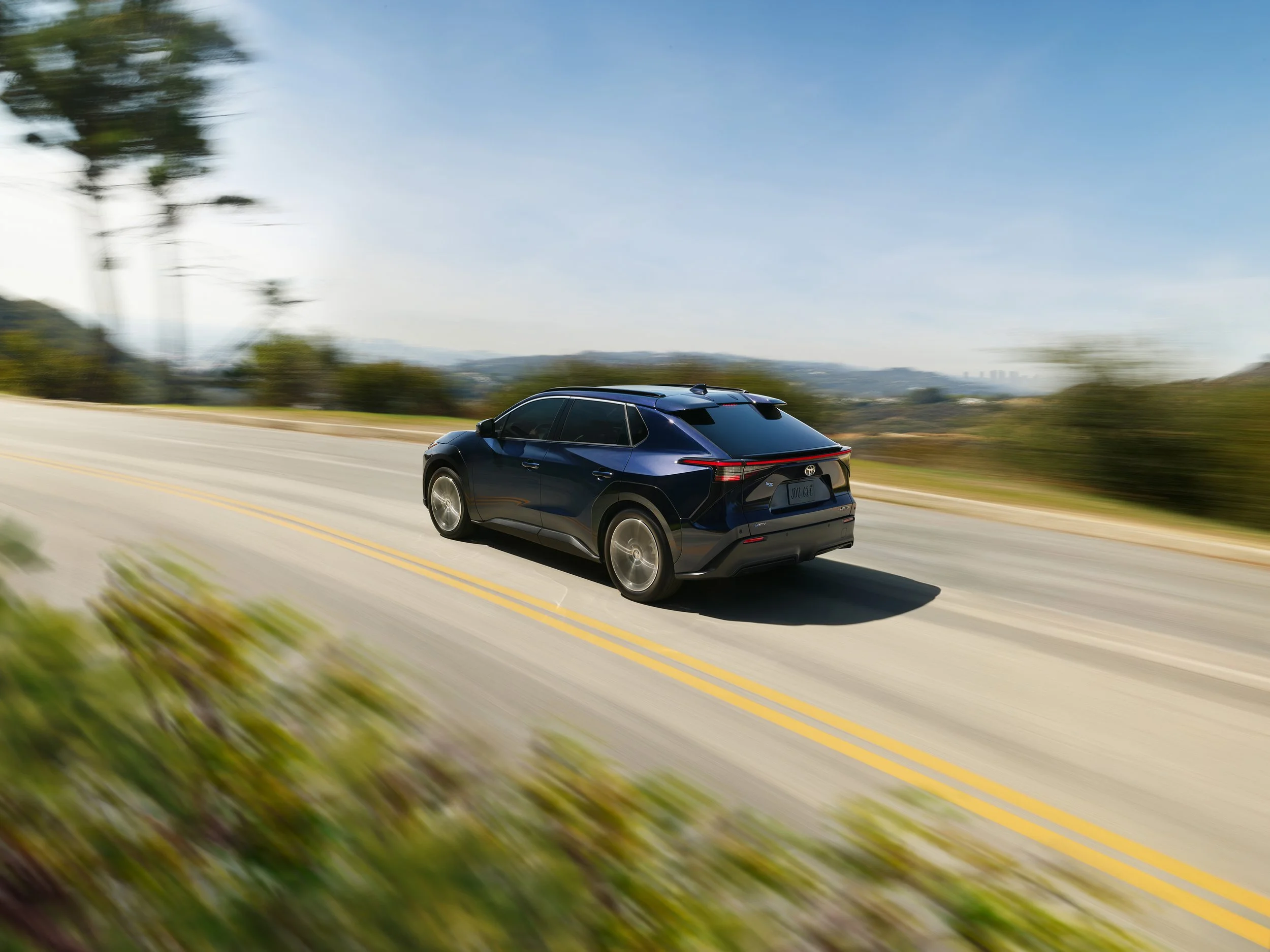
The reason for my initial reticence is simple. Look at it! It looks exactly like a Model Y but designed solely with a ruler. Every curve on the Model Y has turned into a sharp angle, the headlights and taillights have been given significantly more real estate, and BAM—you get a "Toyota-fied" Tesla design. All in all, though, I think the bZ looks 1000% better than the Model Y. The bZ’s angular uhh... angles give it a much-needed personality on the road and a lot more road presence than the brain-fog-inducing, jelly-bean design of the Tesla. Lastly, the exterior panel gaps are typical Toyota "tight" with no perceptible fitment issues whatsoever. This stands in stark contrast to the Model Y, which can vary from overlapping panels to Grand Canyon-inspired gaps from side to side.
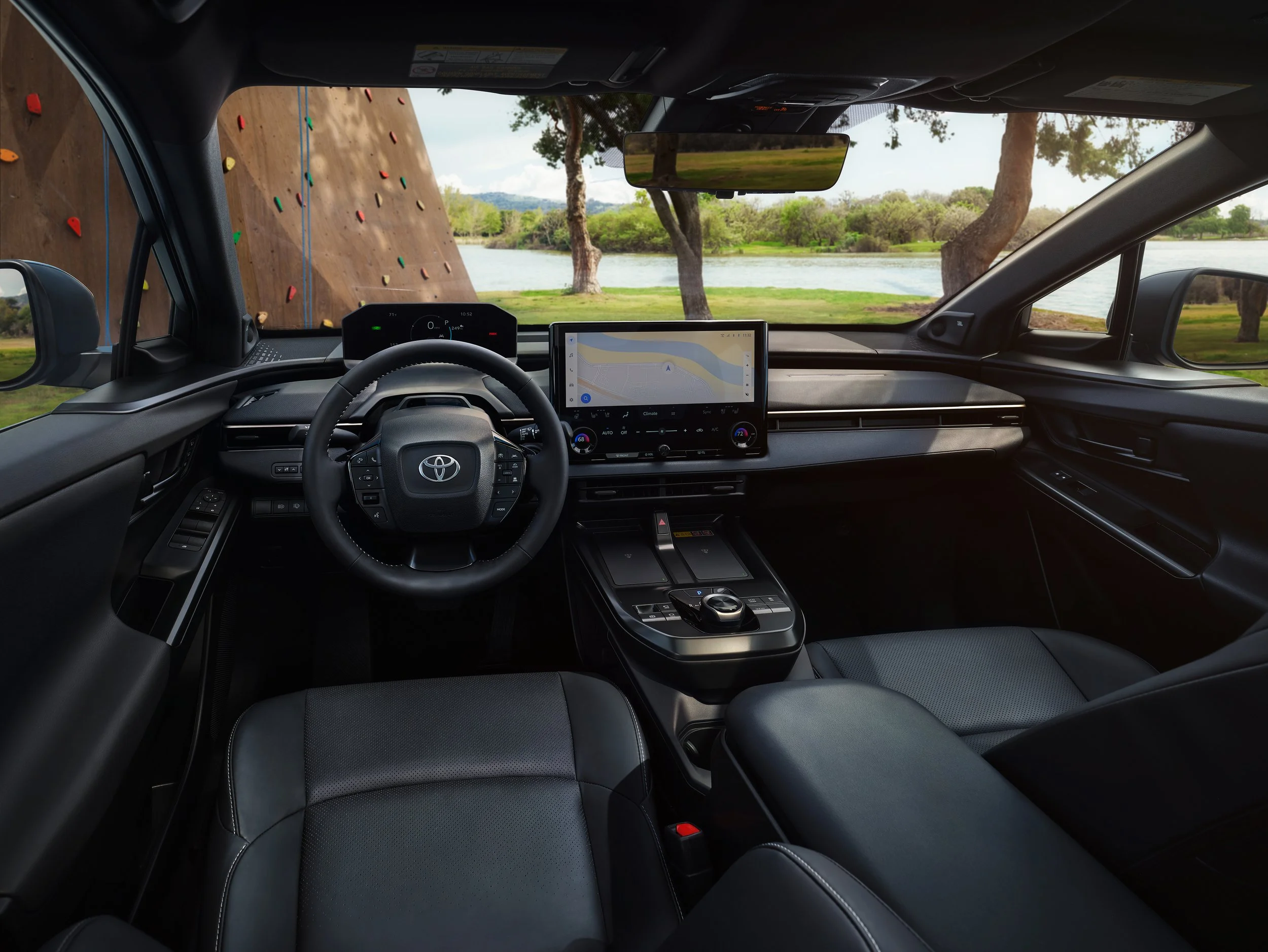
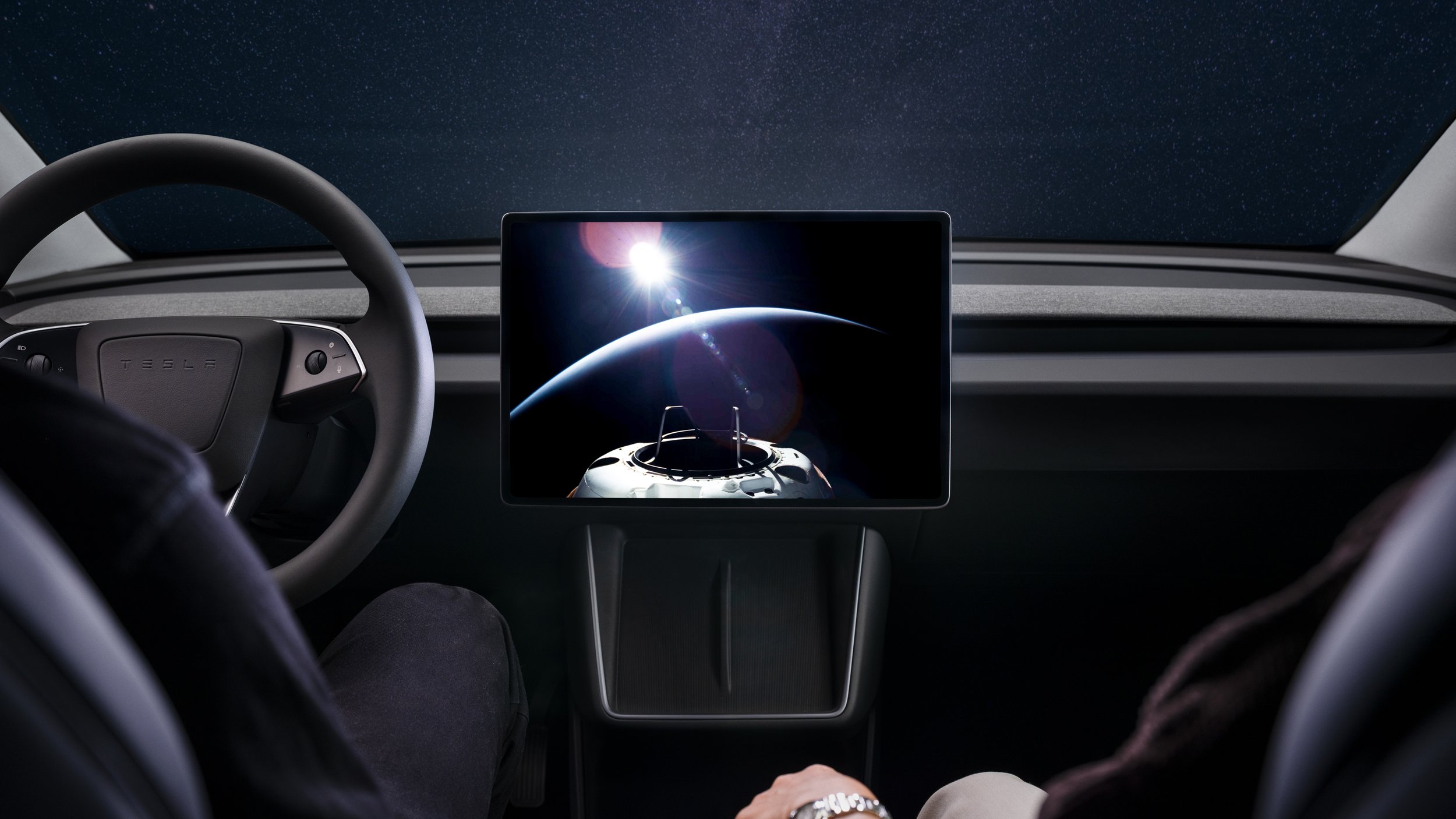
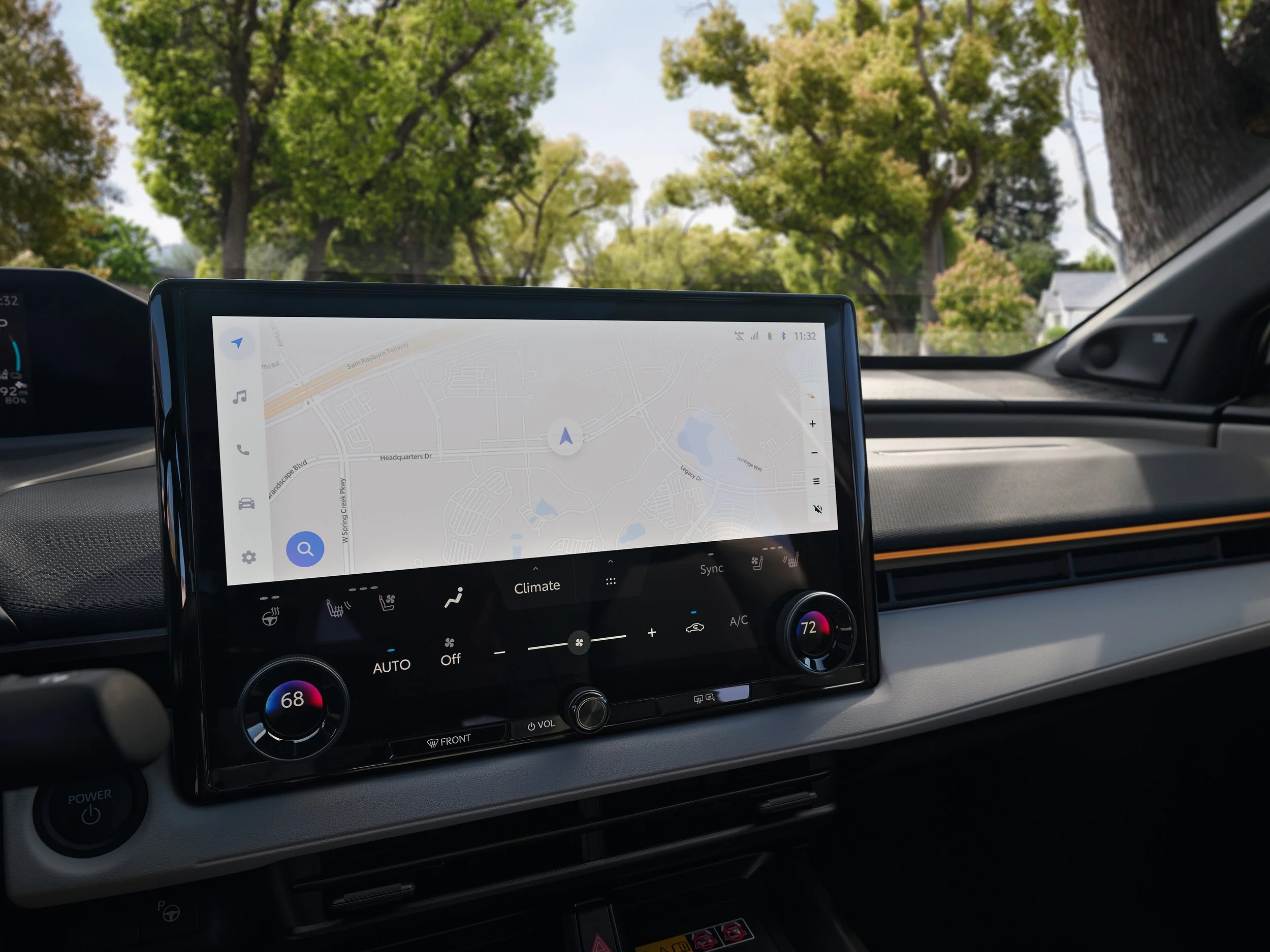
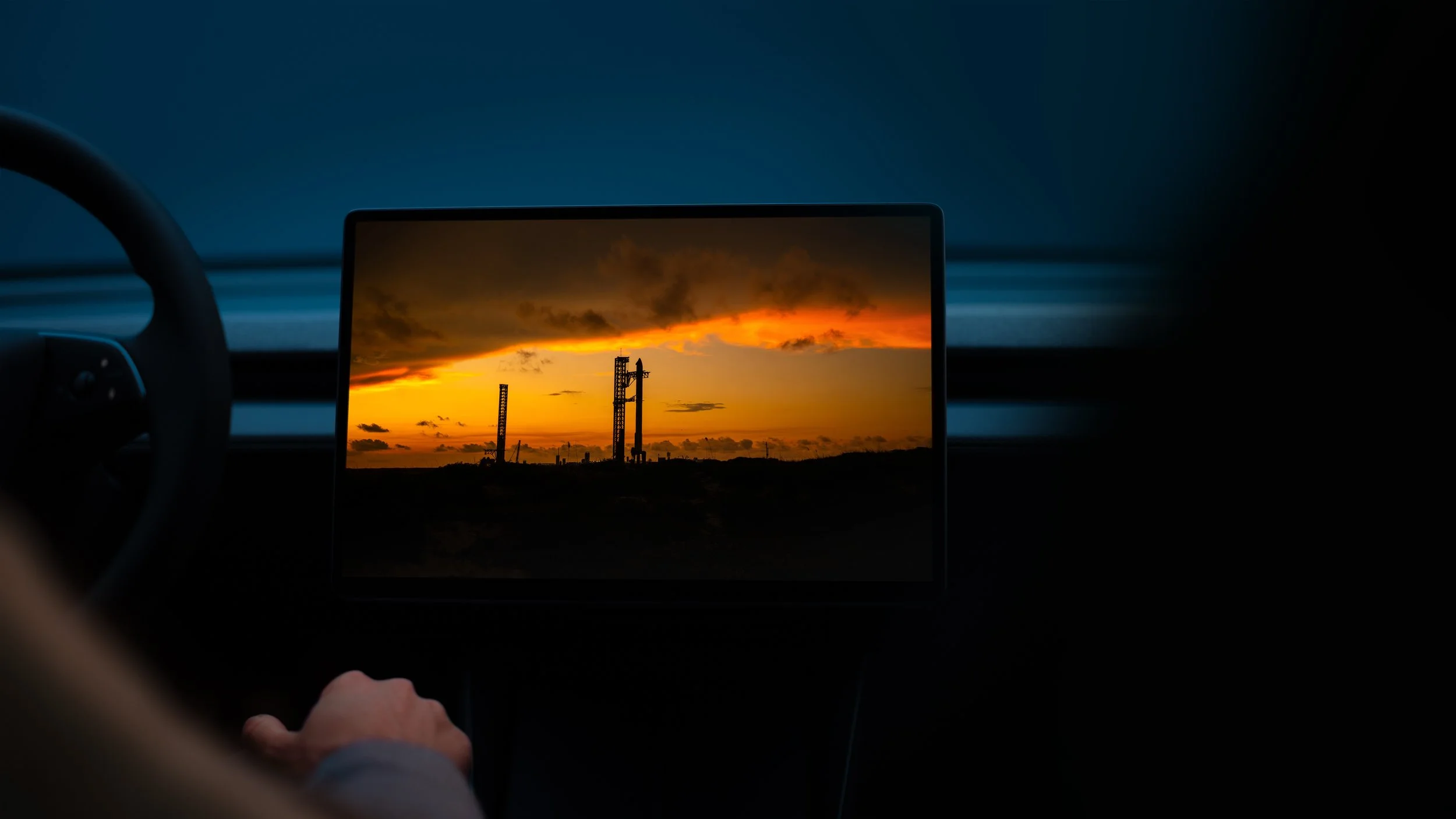
The Tesla inspiration doesn’t change for the interior either. Look at it… again! This time, however, Toyota applied their world-renowned common sense to the cabin and included actual, real buttons to press. Along with actual turn stalks and an actual secondary driver’s display*. Okay, maybe it’s not really a "fully" Model Y interior, but let’s say "strongly inspired by the Model Y’s interior" would be a better descriptor. Again, though, Toyota’s execution is 100% better than the Tesla's. Fit and finish is superb to the extent it feels Lexus-like; heck, it even has that typical Lexus "smell" to it. The seats are supremely comfortable and beautifully cloth-lined in our XLE, offering a tactile warmth that vegan leather just can't match. The materials quality is on another dimension compared to the Model Y, with soft-touch surfaces where Tesla usually leaves you with hard, creaky plastics.
*Okay, the driver’s display (like on the Prius) is completely blocked the by the steering wheel. Unless you drive with the steering wheel aimed at the roof or aimed at your feet, there is no way to fully see the display. The interior designer who thought the placement of this was ideal…probably thinks that hanging your TV behind your sofa is also a good idea
Now, you would imagine if Toyota was errr... inspired by the exterior and interior of the Model Y, then the drivetrain would be equally as inspired. And you would be wrong. Instead of Tesla’s signature Rear-Wheel Drive architecture, the Toyota still leans into its FWD-based heritage. For 2026, Toyota has finally upgraded the battery to a 74.7-kWh pack in this XLE Plus trim, but it still feels a step behind the efficiency masters at Tesla. While a Model Y Long Range RWD now packs a punchier 295 horsepowers, the bZ FWD makes a more modest 221 horsepowers.
Range also takes a hit, and this is where the reality check sets in. While the brochure might whisper promises of 314 miles for this specific FWD Plus setup, our test unit told a different story. Upon unplugging from a full charge, the driver’s display stubbornly stated only 286 miles of available range. In a world where the equivalent Model Y Long Range RWD now pushes toward 357 miles of EPA range, seeing a sub-300 number on a brand-new 2026 model is a bit of a cold shower. The 0-60 times for our FWD model clock in at a leisurely 7.6 seconds—perfectly adequate for merging, but it won't win any drag races against the 6.5-second Tesla. However, efficiency remains the secret star; our weeklong average of 4.0 miles per kWh is a testament to Toyota’s conservative engineering.
Price-wise, though, the bZ4X comes out on top by a landslide. Our tested XLE FWD Plus carries an MSRP of roughly $40,850, which looks like a bargain compared to the Tesla Model Y Long Range RWD, which currently demands about $44,990. That is an $4,140 gap right out of the gate. If you go for the base bZ XLE at $36,350, you are saving a staggering $8,640 over the cheapest Long Range Tesla. Beating the Model Y by that much money buys a lot of peace of mind (and perhaps a home charger installation).
So all in all, it looks like Toyota ALMOST has a winner on its hands. The disappointing real-world range is the only major letdown in an otherwise practical, beautifully built package. In other words, it’s only a slightly larger battery pack away from being a real Model Y killer. Knowing Toyota’s "Kaizen" philosophy of continuous improvement, I’m sure those missing miles are on the horizon in the near future.
Yousef Alvi