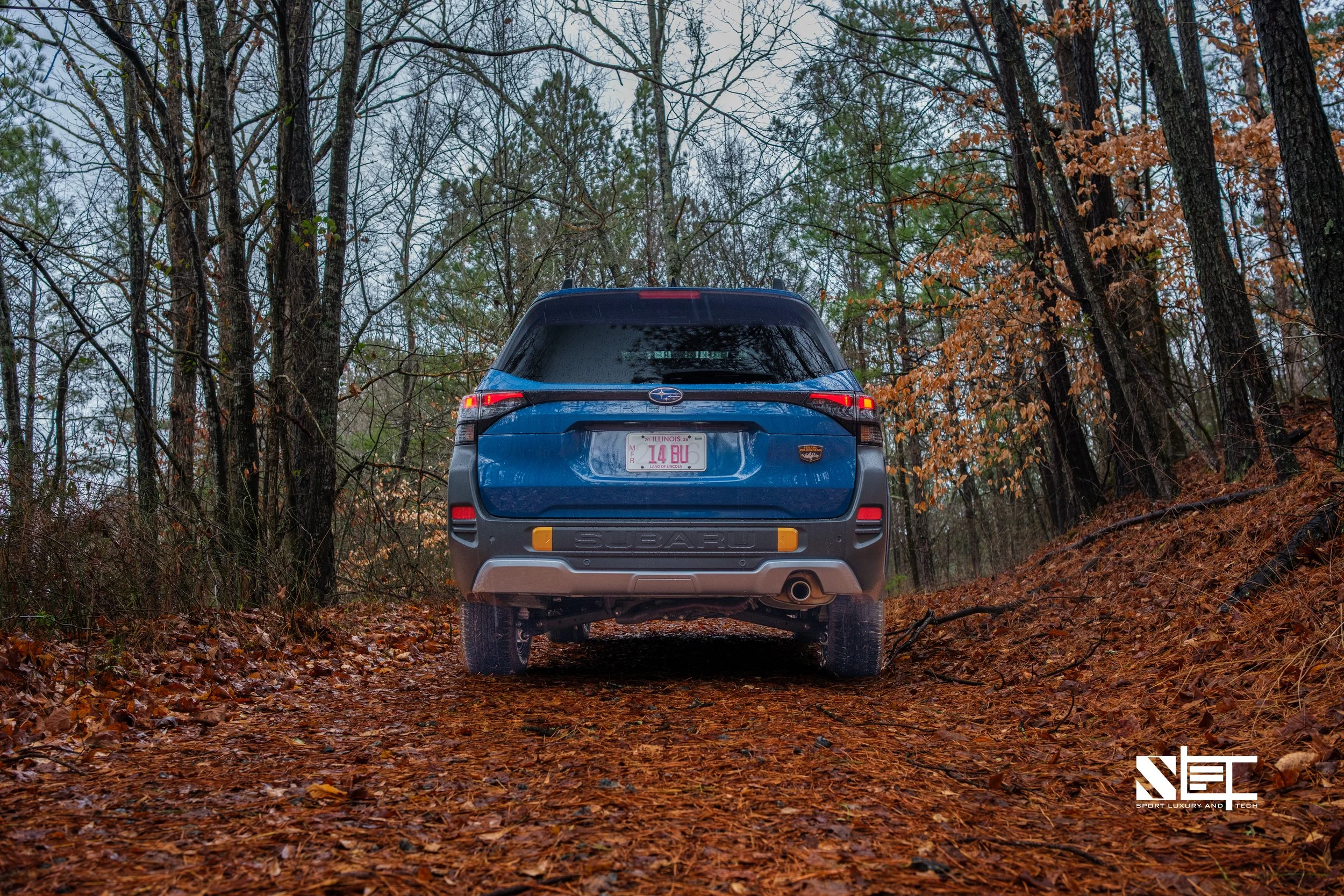
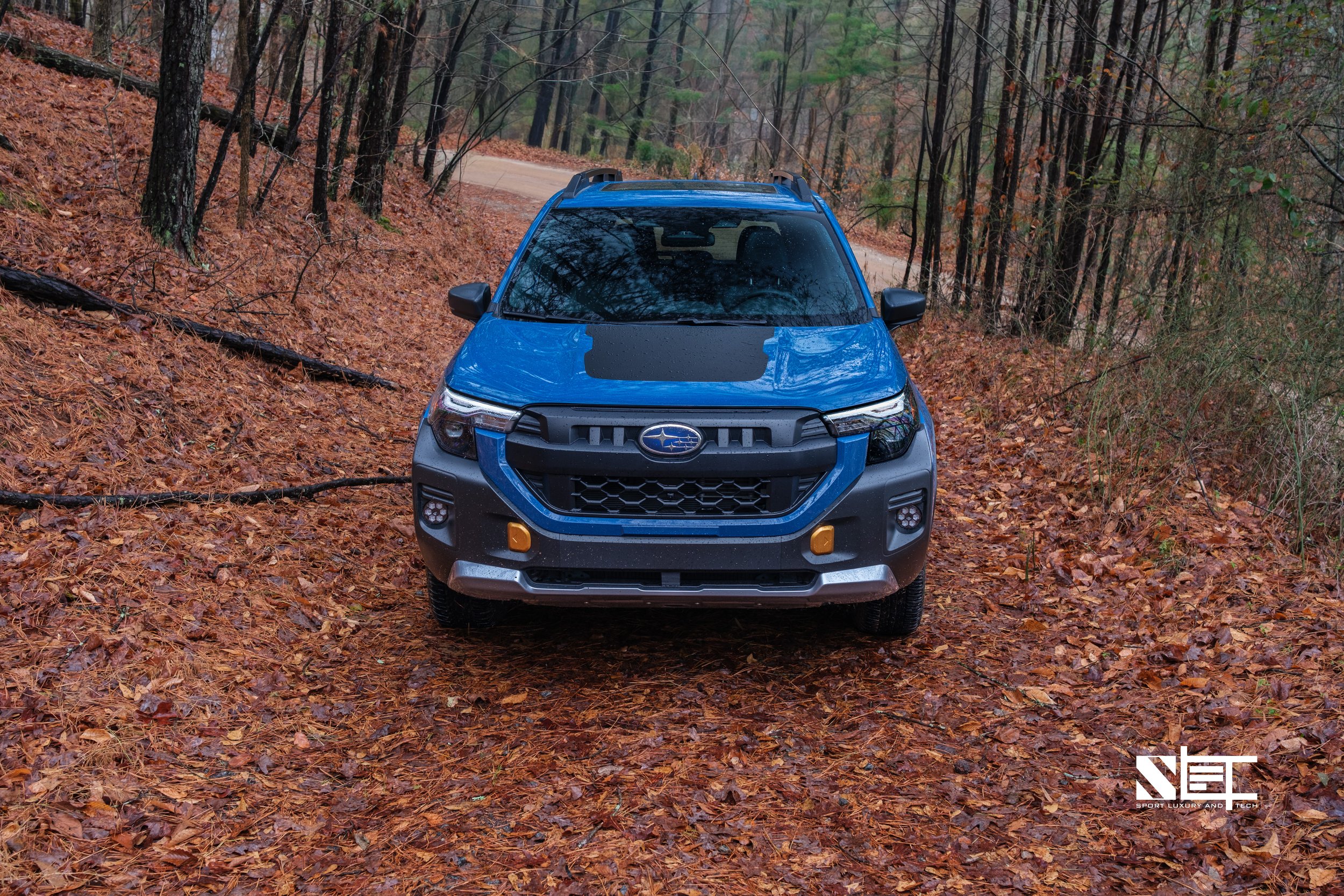
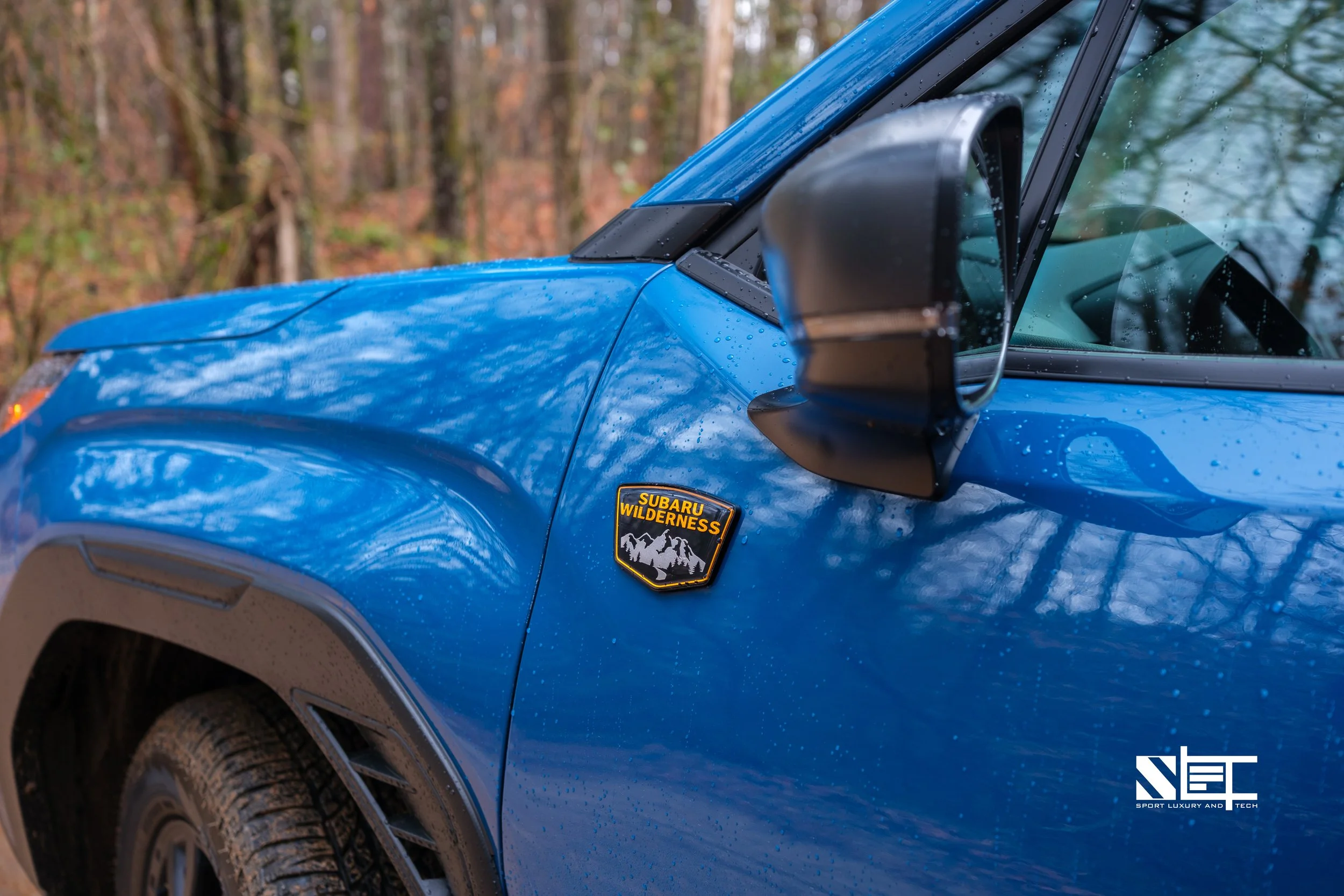
2026 Subaru Forester Wilderness Review
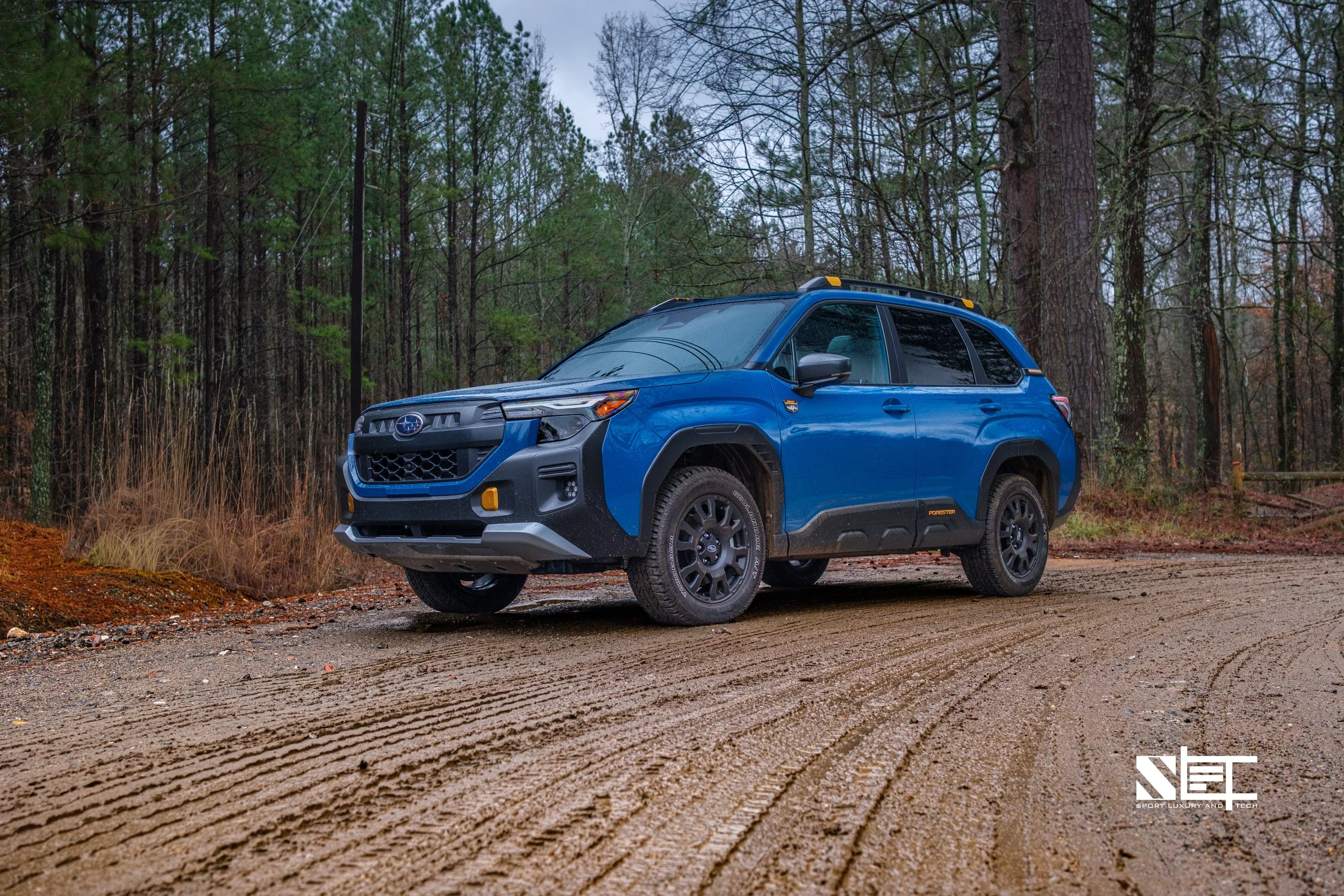
2026 Subaru Forester Wilderness
Price: Approximately $39,900 – $42,000 (MSRP)
Engine: 2.5-liter SUBARU BOXER® 4-cylinder
Power/Torque: 180 hp / 178 lb-ft
Performance: Revised CVT with shorter final-drive ratio; 3,500-lb towing capacity
Fuel Efficiency: 25 City / 28 Highway (estimated)
Guy who did stuff: Yousef Alvi
It’s amazing what actual real-life ‘behind the wheel’ experience does to you when you’re looking at a new car. It’s easy to dismiss a vehicle by quickly reading their sites online. Either it doesn’t have enough power, it's not fuel-efficient enough, or you look at the pictures and decide you don't like its looks. It’s so easy, in fact, that you can quickly dismiss nearly every vehicle in your category and be left with….nothing. This is where picking your lazy ass up off the sofa and actually driving a vehicle becomes absolutely invaluable.
Yes, I know car shopping sucks. Dealerships suck. Car shopping at dealerships really sucks. You’re immediately harangued the second you step foot within their property line, then stalked via call, text, and email until you change your information and move out of the country. BUT you have to take the good along with the bad. Stepping foot inside a dealership is the only opportunity you have to actually ‘drive’ a vehicle.
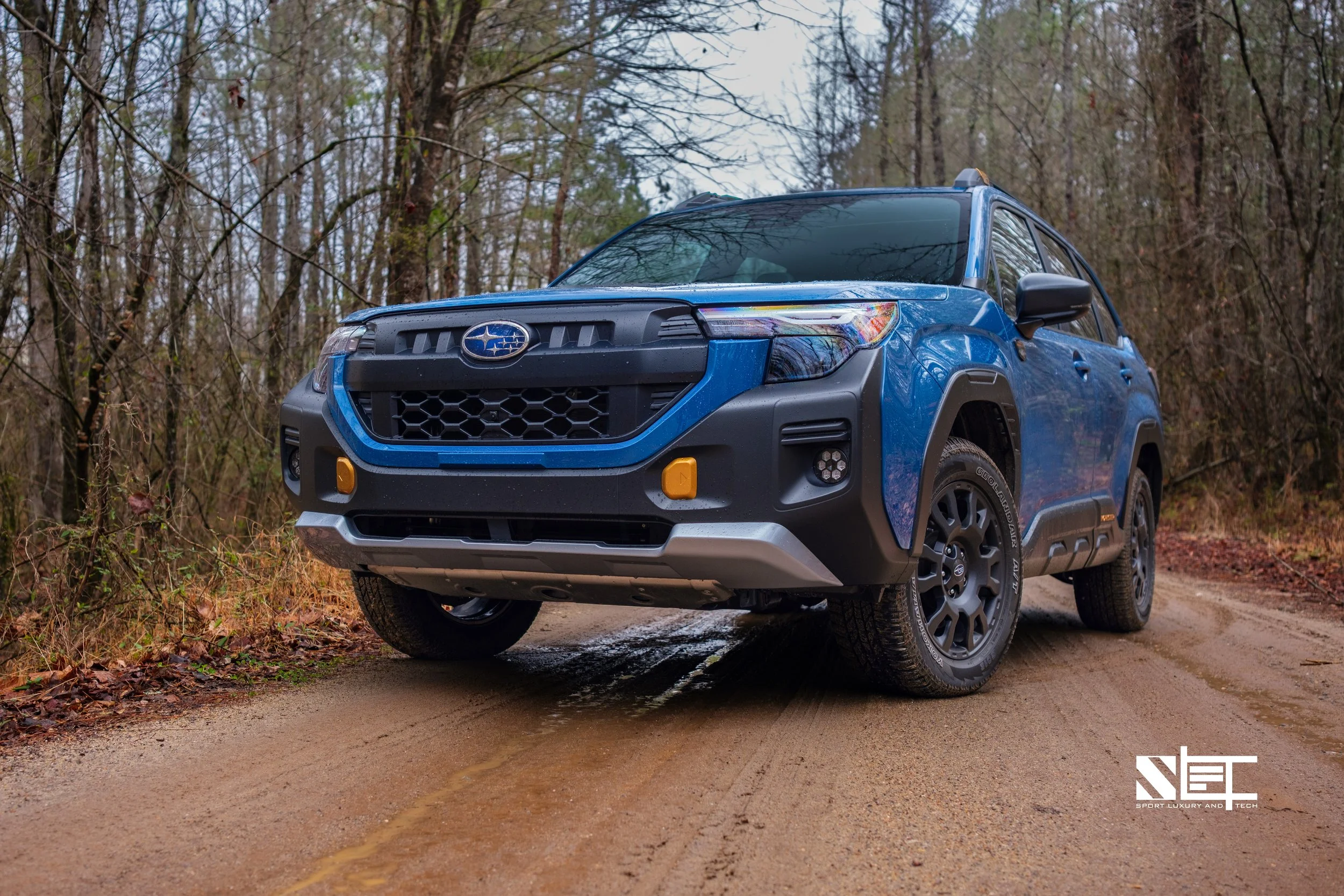
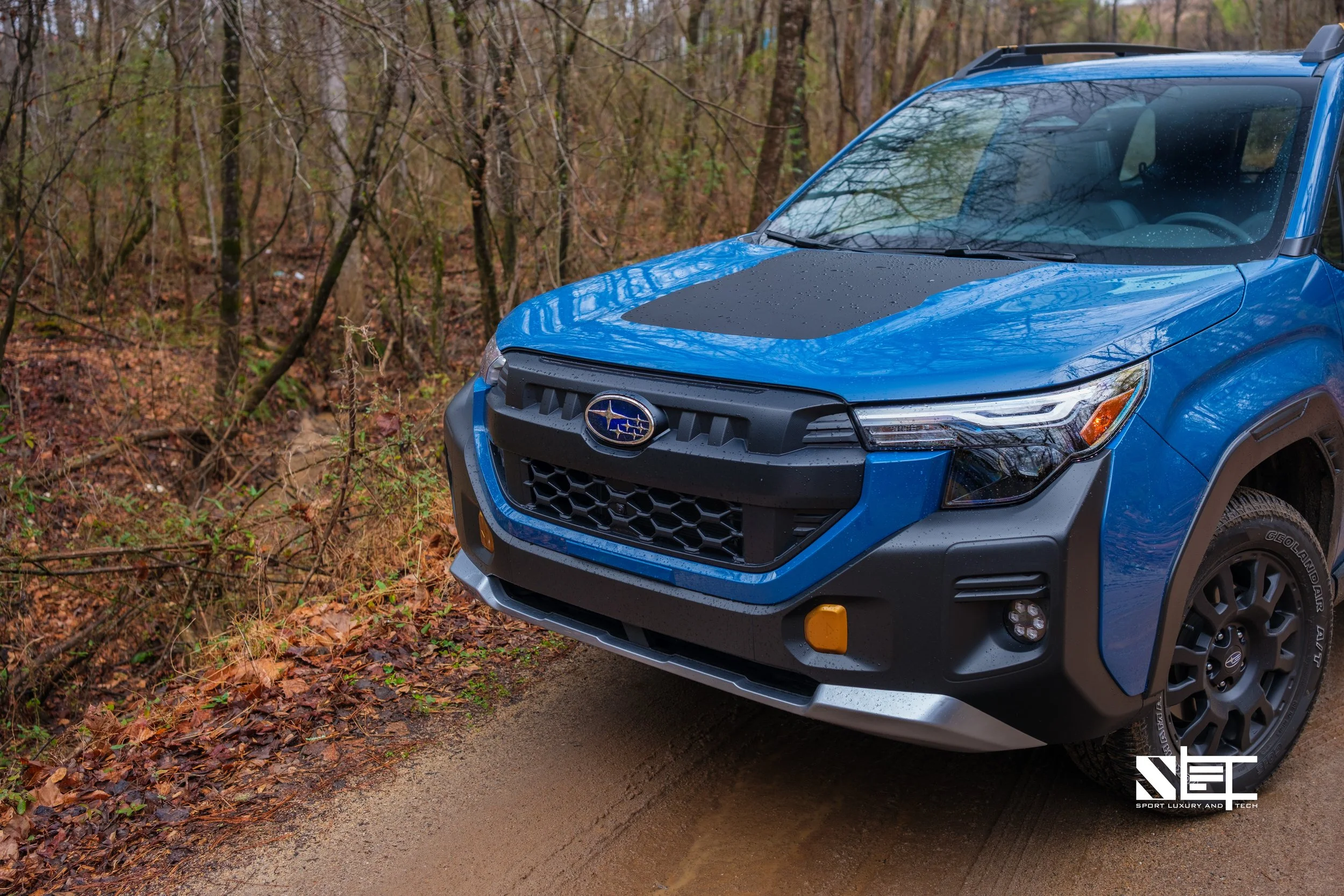
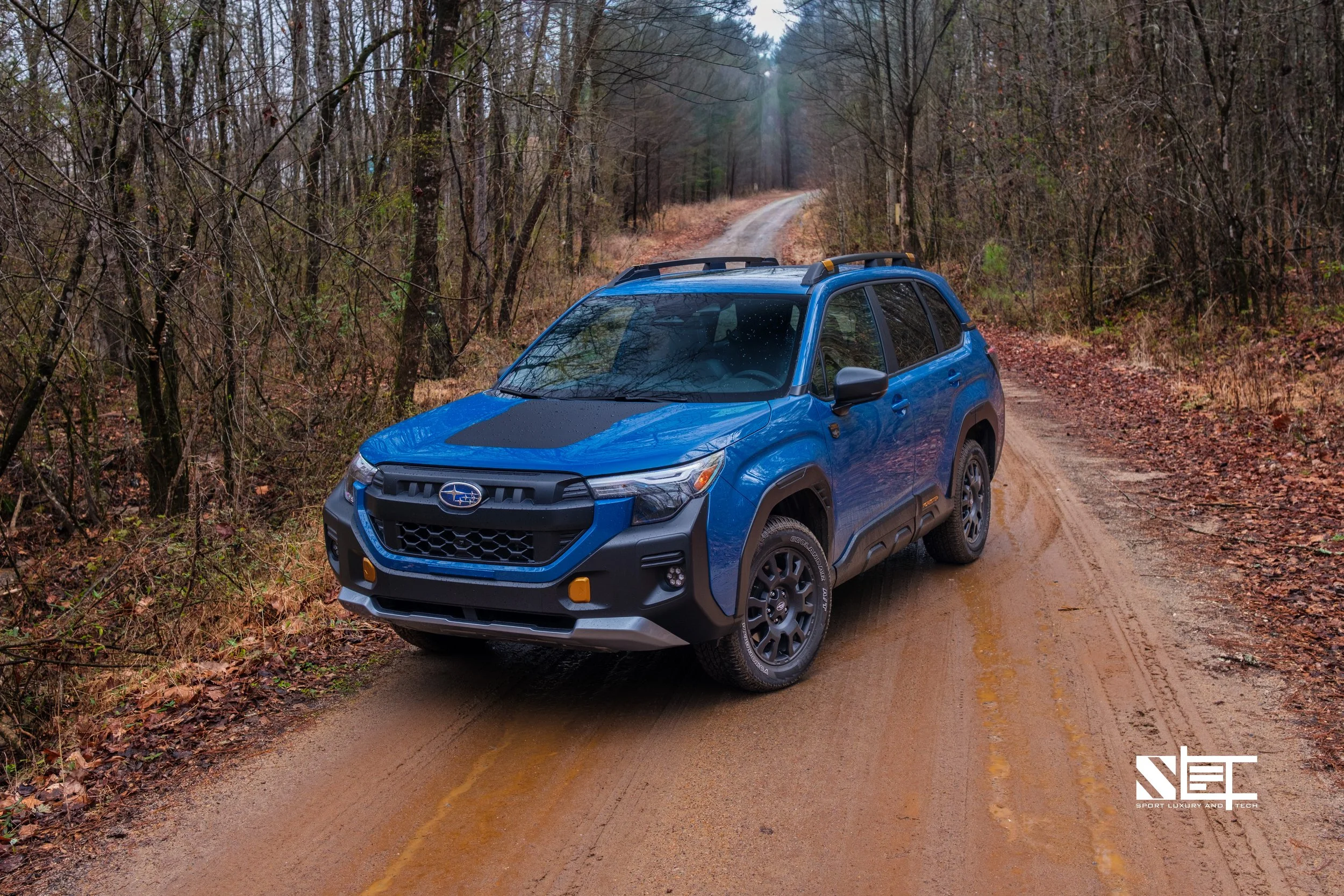
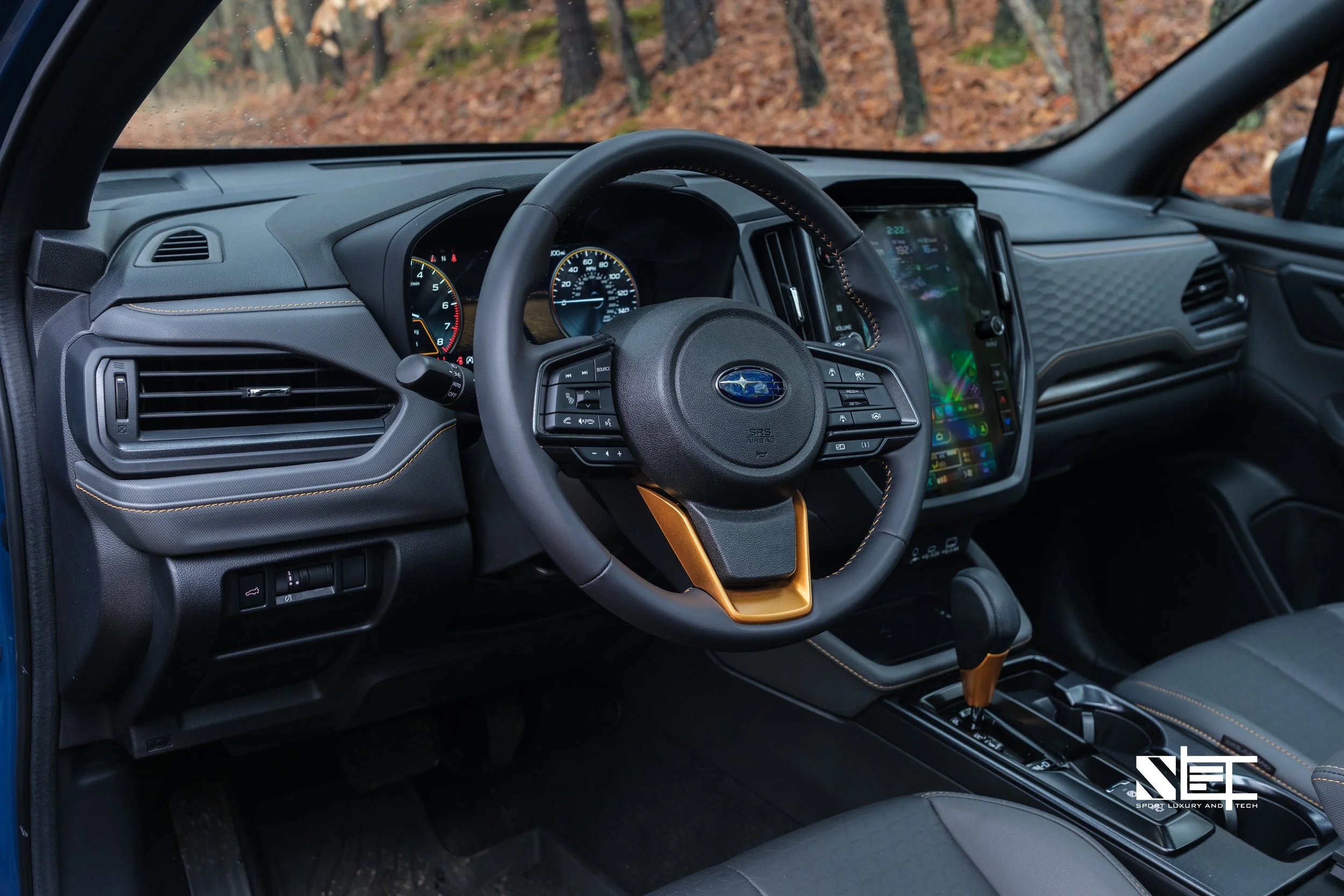
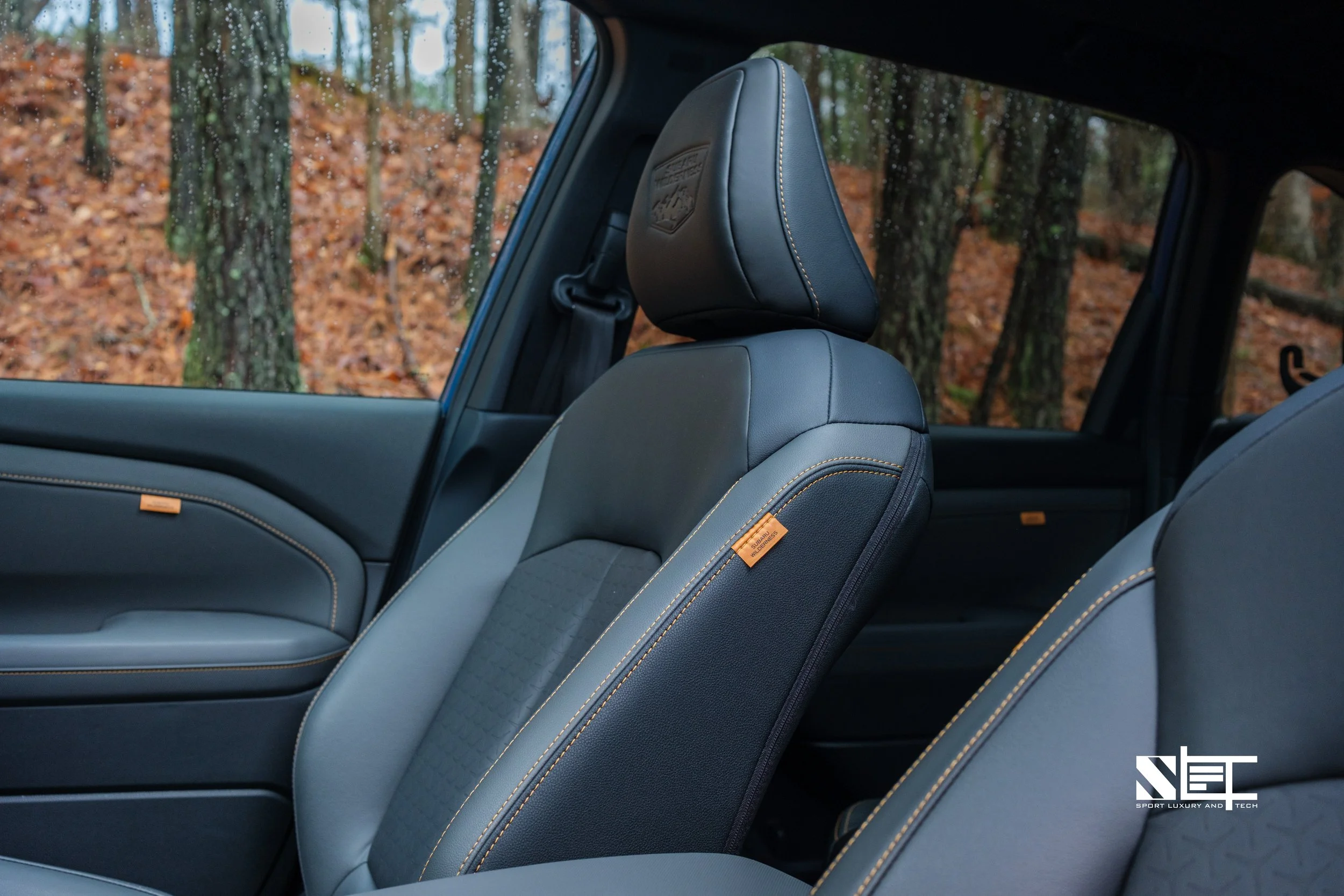
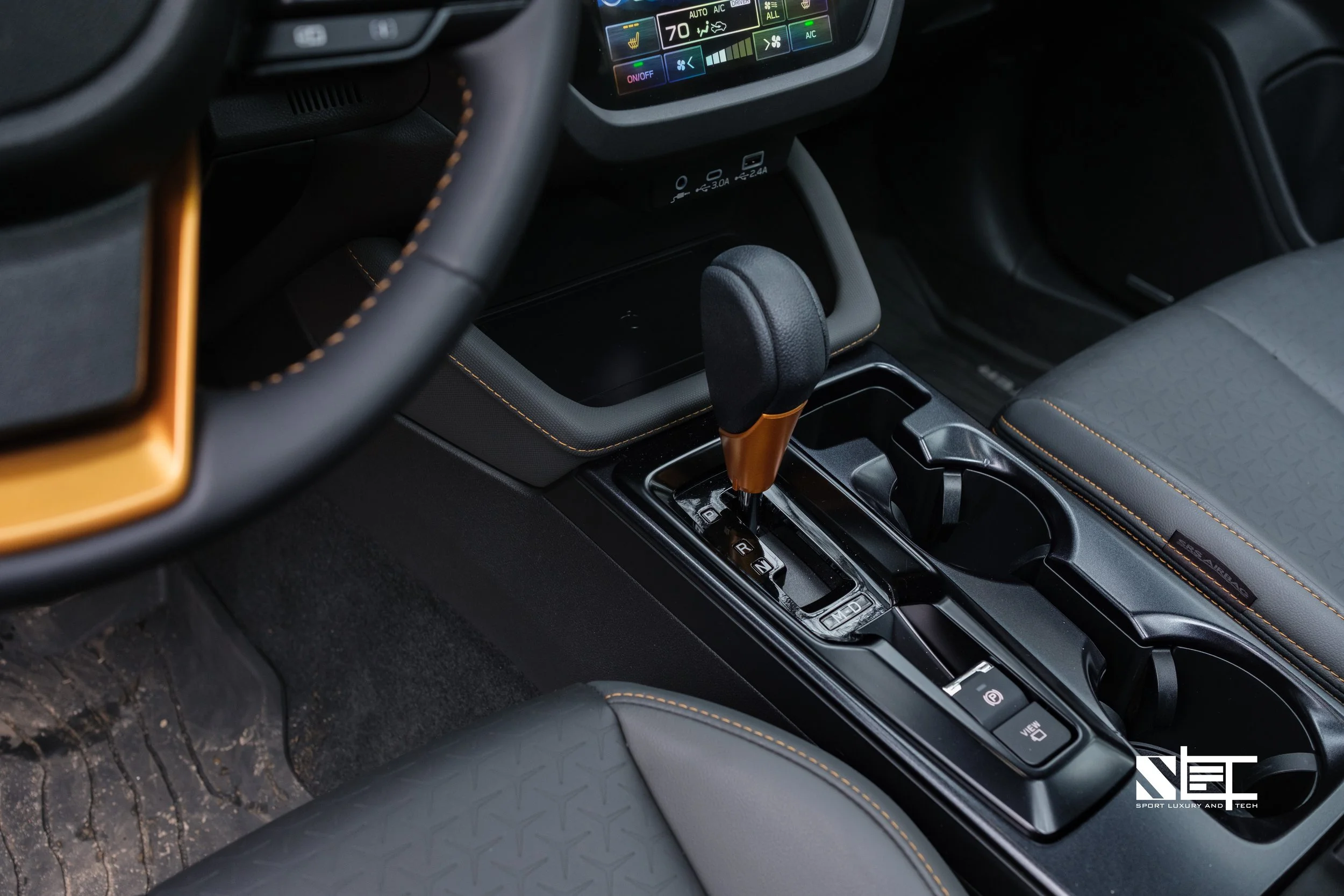
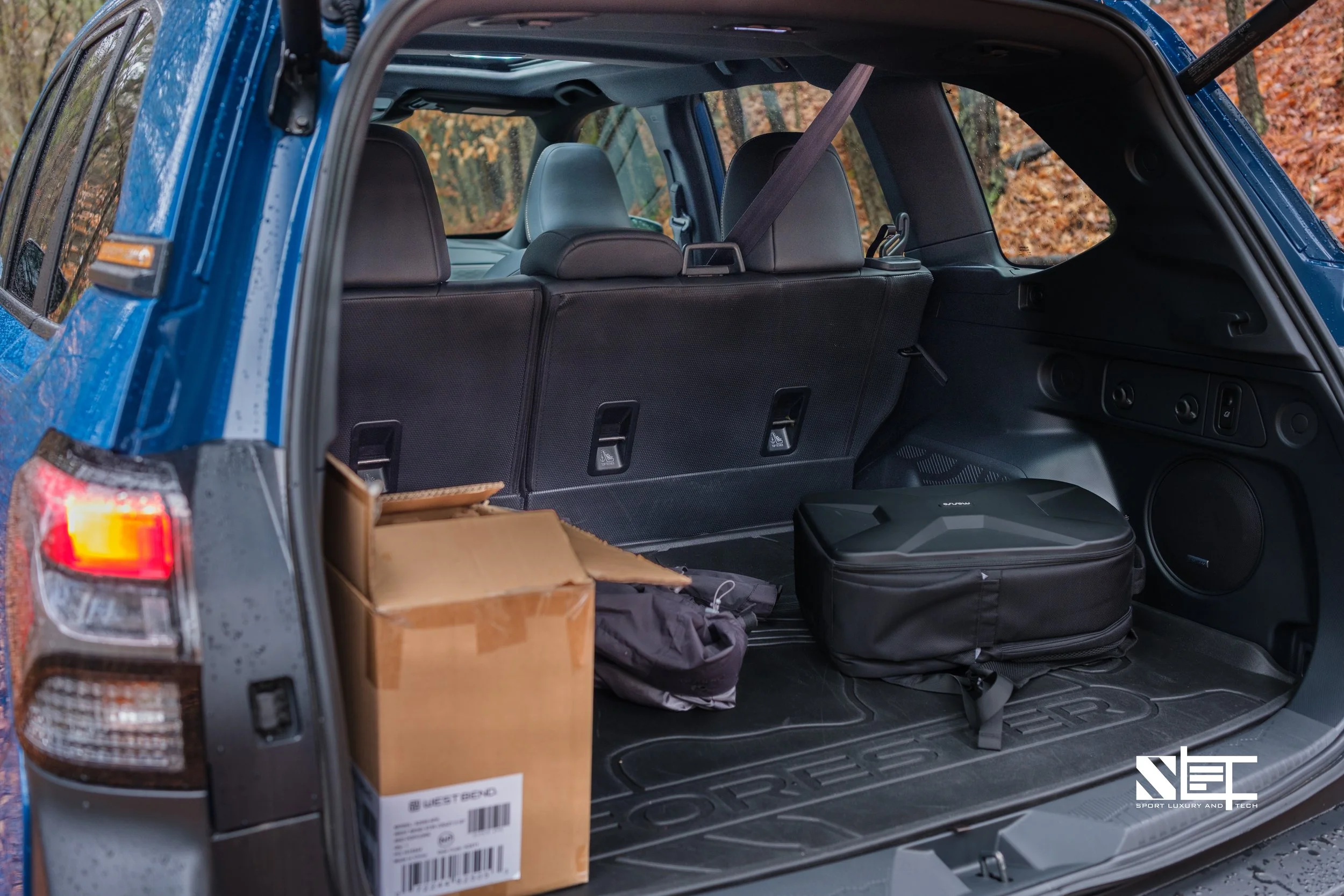
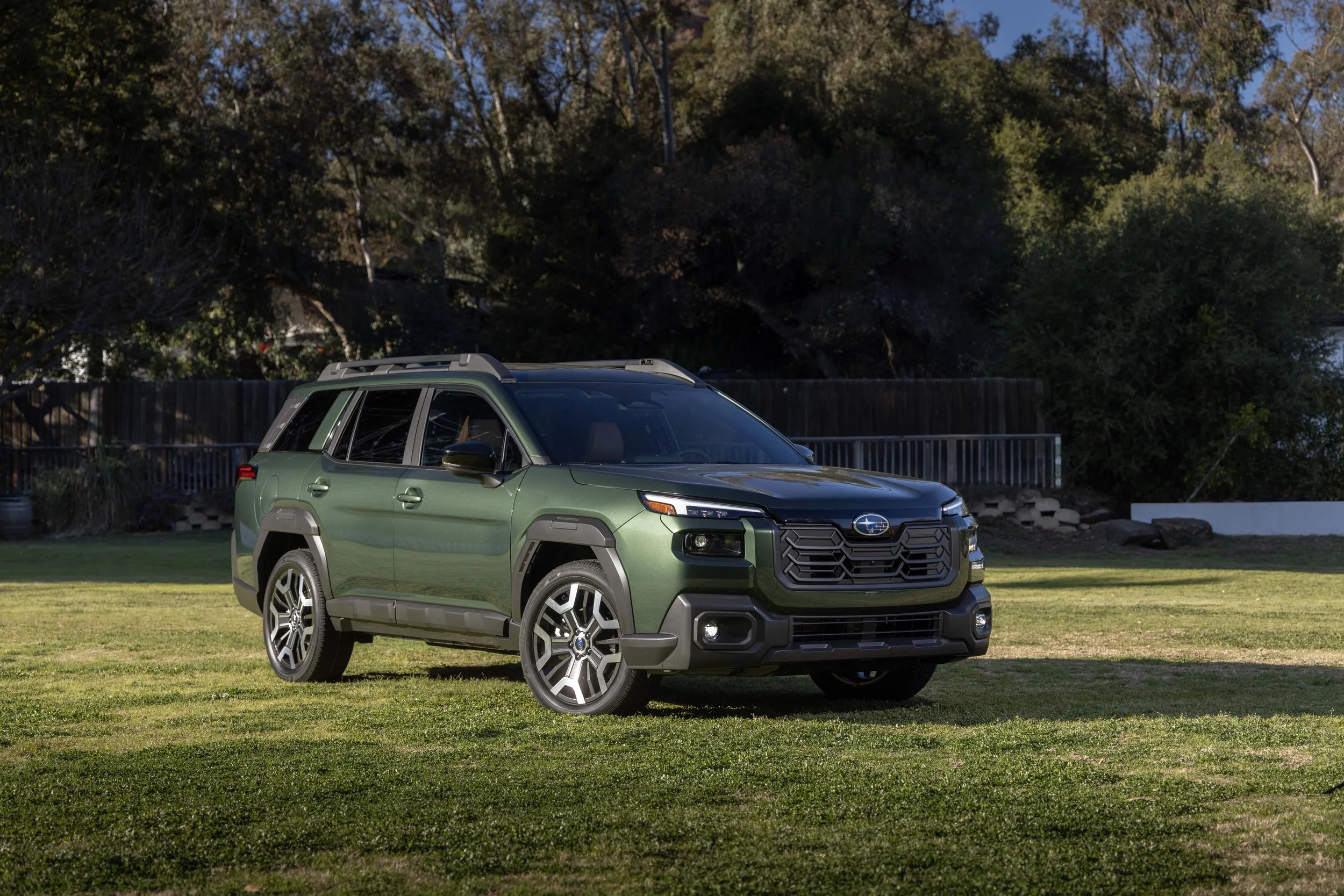
Basically, I’m saying all of this because of this 2026 Subaru Forester Wilderness. On paper…it’s merely okay. Not the most powerful, not the most fuel-efficient, and not the best-looking in pictures either, but driving the Forester Wilderness is something completely different. What the specs don’t convey is the sumptuous ride quality, the hush-filled interior, the vertical greenhouse that affords a ginormous amount of interior space, and just an overall sense of ‘talk about rugged simplicity at its very best.’ There is no gimmicky tech that quickly turns annoying after two days, there aren’t an over-abundance of screens distracting you into an accident, and my God in heaven, there are ACTUAL REAL-LIFE BUTTONS to push instead of jamming your finger into a capacitive touchscreen in vain. It’s like Subaru realized that actual real-life squishy biological humans drive cars! What a concept!
I think that concept is what was so shockingly refreshing with the 2026 Subaru Forester Wilderness. It’s so simple to use, understand, and grow accustomed to that it feels like slipping on a well-worn pair of Chucks. The feeling of immediate familiarity, ease, and support is something you immediately start to like instead of something that you begrudgingly have to accept. That could explain Subaru owners. They are a fervent bunch of people whose quirkiness aside have a rabid love of the brand. It’s not because Subarus are the fastest, best-looking, or the most luxurious vehicles on the road. It’s because those damn things are like the automotive equivalent of a plaid button-down. It’s simple, works in all conditions, is comfortable, and is immediately familiar.
When you start looking at the 2026 Honda CR-V or the Toyota RAV4, you’re looking at the "varsity team" of spec-sheet warriors. Even when you look at their "rugged" versions—the CR-V TrailSport and the RAV4 TRD Off-Road. The RAV4 TRD comes at you with 203 horsepower and a fancy torque-vectoring system, and the CR-V TrailSport offers a lovely turbocharged 1.5-liter or a slick hybrid that feels very un-hybrid like (in a good way). But here is the catch: while both of those vehicles are superb on the road and on the highway, the Forester Wilderness feels like it was designed by people who wanted it to be comfortable there along with everywhere in between.
Take the space and visibility. The Forester has an utterly gigantic greenhouse that affords a view that old NSX owners would tear up over. In a day and age of ever-increasing belt lines and thicker pillars, visibility is starting to be a real issue in modern cars. From pulling into your garage to backing out of it, your field of vision is constantly being narrowed to the point that you are forced to be dependent on external cameras. I’m not sure about you…but that is scary. I would much rather use my eyes than rely on a camera that may fog up, get dirty, or get covered in rain. The 2026 Forester solves that with a view that none of its peers can come close to.
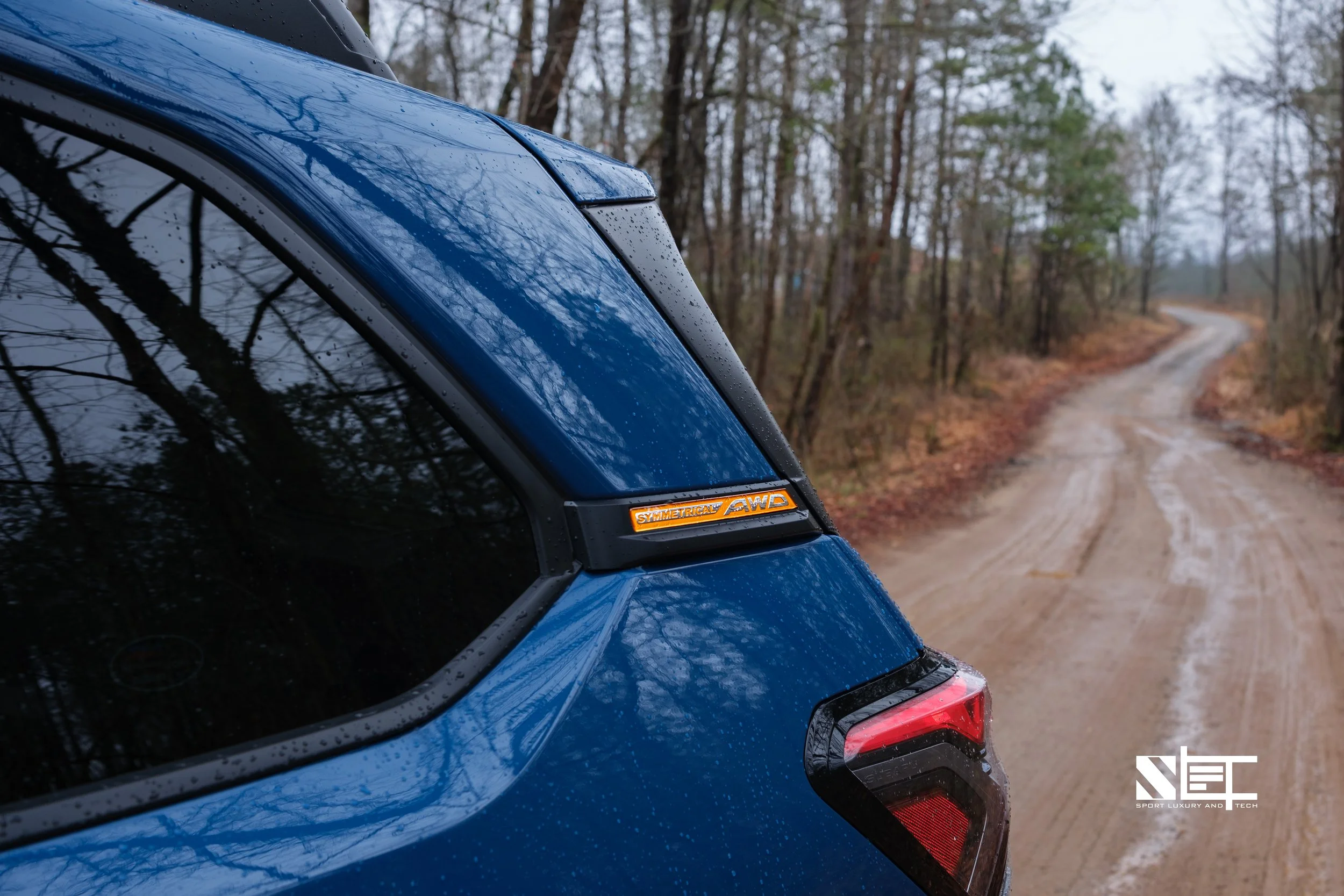
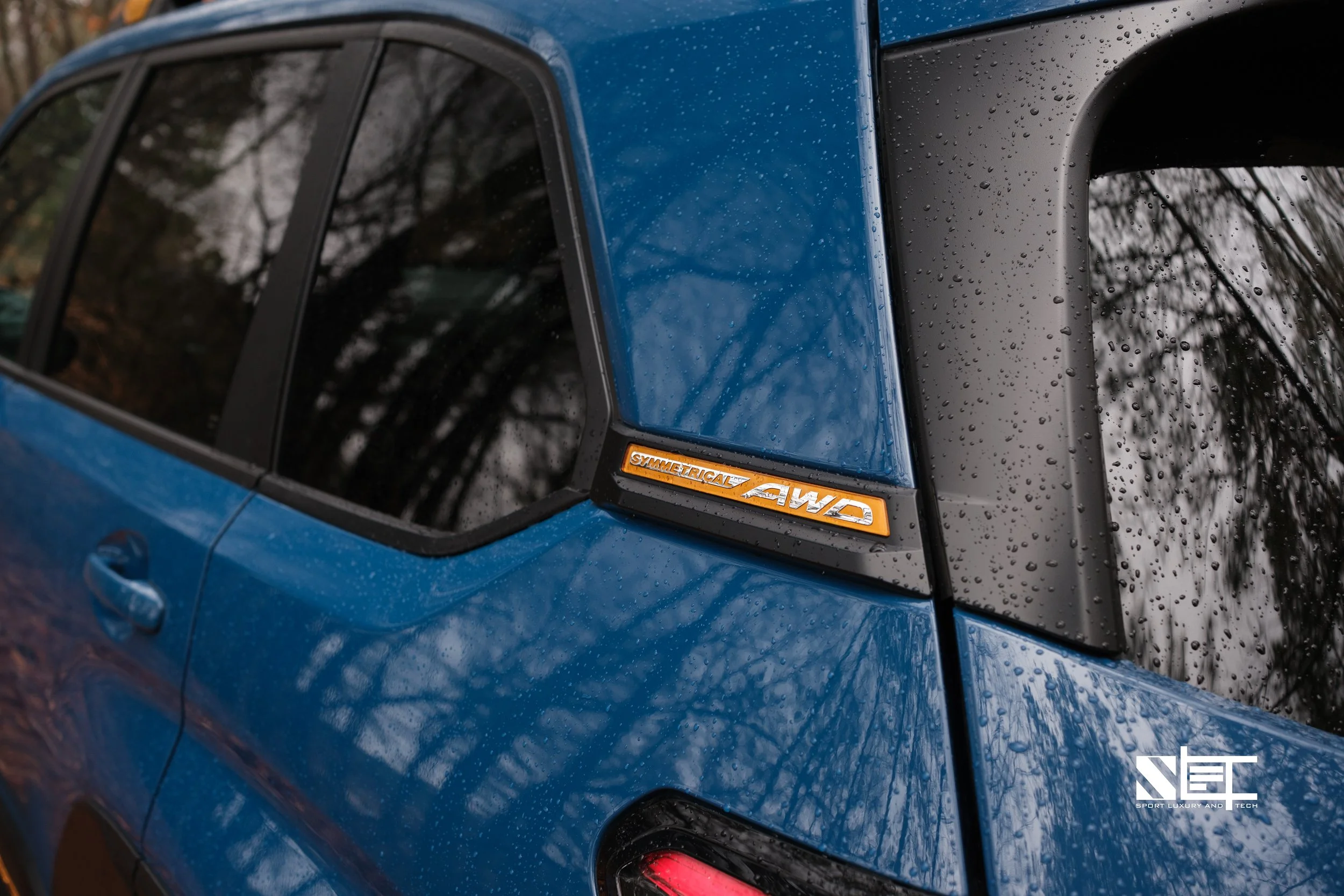
Then there is the performance—not the 0-60 mph "look at me" performance, but the "I need to get through this snowstorm" performance. The RAV4 and CR-V are front-wheel-drive based. Even on their off-road trims, you’re often dealing with a reactive system where you constantly feel the front wheels spin away until an act of technological democracy takes place to engage the rear tires for traction. The Subaru’s Symmetrical AWD is always on and ready. It is a system that was honed on the world rally stage and, let’s be honest, perfected over decades with LL Bean-wearing people during winters in the Northwest and Northeast.
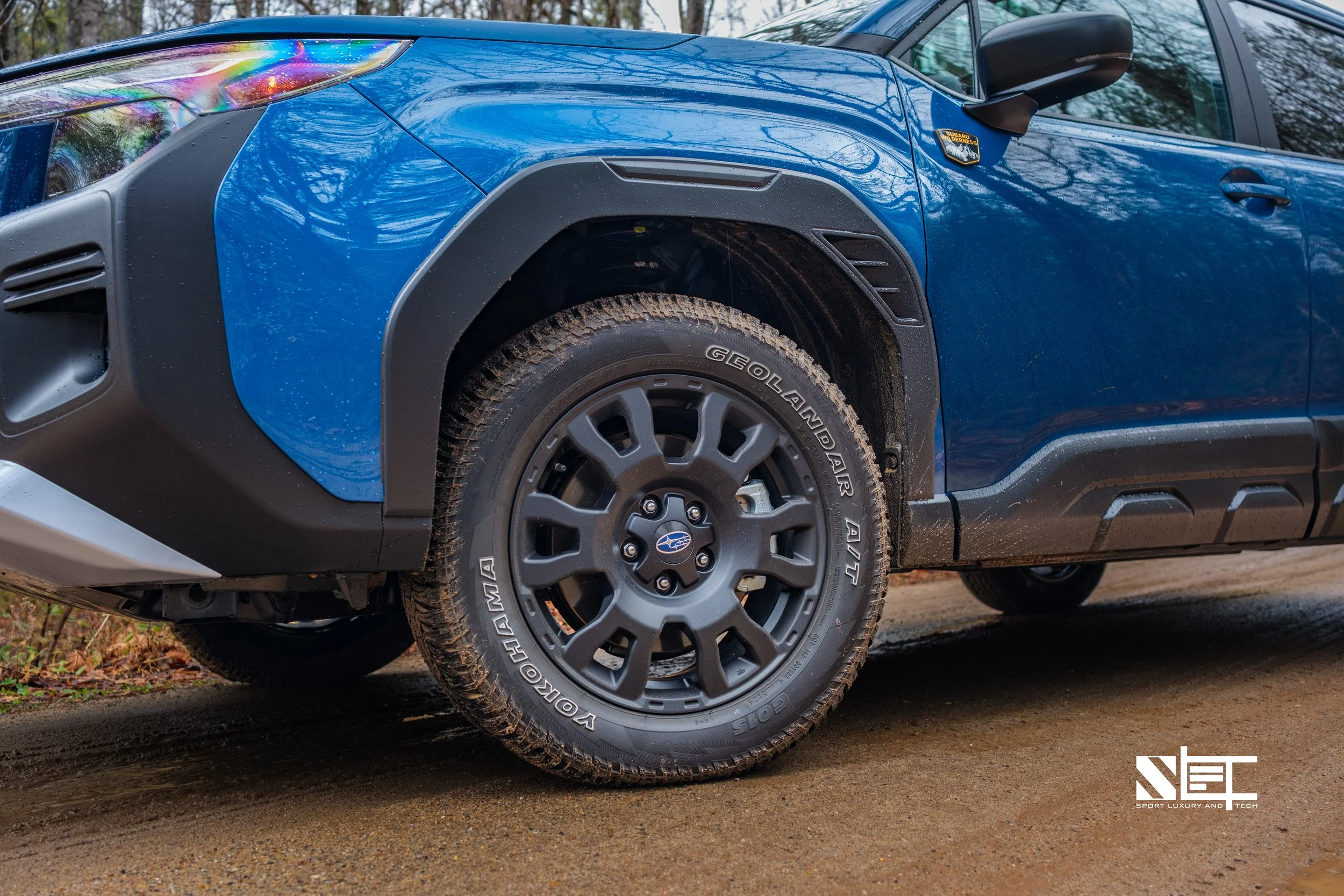
Adding to the mechanical beauty of the AWD system, the Wilderness trim specifically gives you 9.3 inches of ground clearance. The CR-V TrailSport stops at a measly 8.2 inches, and the RAV4 TRD Off-Road only hits 8.6 inches. That extra inch of clearance is the difference between clearing a rock and ripping your oil pan open. Plus, the Wilderness can tow 3,500 pounds—which absolutely shames the 1,500-pound limit on the TrailSport. Price-wise, the Subie also wins out. It usually lands around $5,000 cheaper than the off-road versions of the other two, which is the final nail in that coffin.
So the Subaru has significantly more room, is easier to use, and is thousands cheaper with a world-renowned and revered all-wheel-drive system. To me, it’s an easy choice. It’s just a really good car for people to adopt into their lives like a new family pet, not just a new piece of technology you discard after two years. It’s something you grow to love instead of growing to hate. That’s what the Subaru Forester Wilderness is all about.