
The 2026 Honda Prelude: A Matter of Perspective
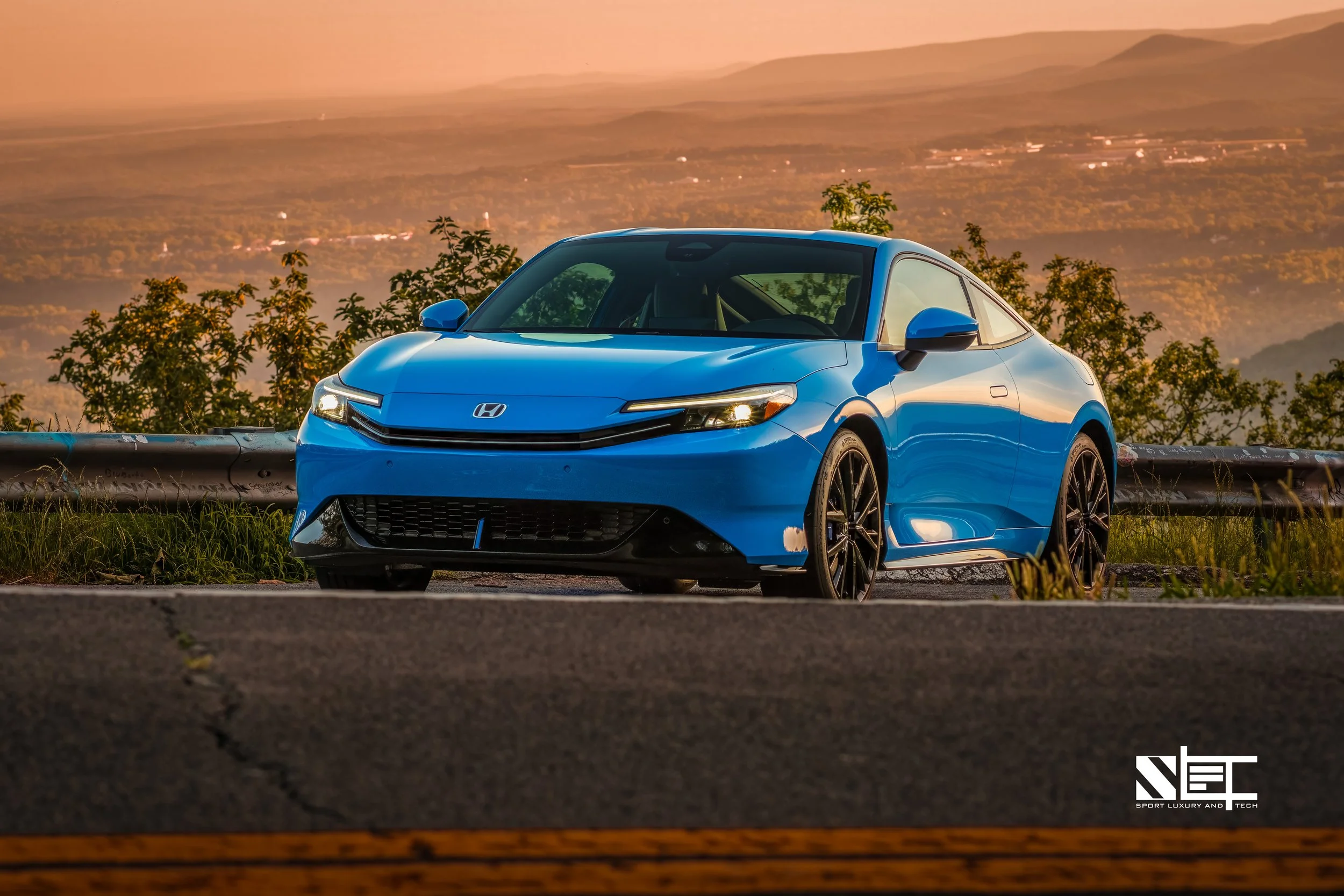
The 2026 Honda Prelude: A Matter of Perspective
MSRP: Starts at $42,000 ($43,195 including the $1,195 destination charge)
Engine Specs: 2.0-liter Atkinson-cycle inline-4 paired with a dual-motor hybrid-electric system producing a combined 200 hp and 232 lb-ft of torque
Drivetrain: Front-wheel drive with direct-drive planetary gearbox featuring S+ Shift simulated gears (Not a CVT)
Performance: 0–60 mph in 6.5 seconds; EPA-estimated 46 MPG City / 41 MPG Highway / 44 MPG Combined
Guy who did stuff: Yousef Alvi
Let me share a quick story, then I promise you I’ll get to the sixth generation.
My first ever car was a 1998 Honda Prelude:
As with any first car, you will always hold it in a certain regard through rose-tinted spectacles. My old Prelude is no different. She was stylish, quick, handled amazingly well, could easily fit four people inside, had a cabin that should’ve been in an Acura costing thousands more, and had an engine that was simply a superb melody of raw mechanical engineering at its best. So, to say the Prelude name holds a special place in my heart... is a bit of an understatement.
Heading down in my old Prelude to Savannah with my best friend Josh for our other friend Jimmy’s wedding, we got caught in an obligatory coastal monsoon. With Savannah’s excellent road drainage, the streets immediately turned into raging rivers. Our friend was ahead in an Explorer and barely waded through a waterlogged street. At that point in my life, I had barely any semblance of self-esteem, so I had Josh drive the Prelude through the storm. Upon realizing my lowered car and cold-air intake (whose pipe went straight to the wheelwell) might be a bad combination, by the time I opened my mouth to say, "Uhhhh, dude," the engine burbled to a complete stop and died. Pushing the Prelude into an alley, there was nothing we could do until the next morning.
We returned the next day armed with spark plugs, caps, and wires. After pulling the injectors and the plugs, we cranked the engine to see water literally shooting out of the empty spark plug wells. Everyone gave each other an "oh, shit" expression. Regardless, we swapped out everything we could. I said a quick prayer and turned the key. The engine lurched, gurgled, sputtered back to life after five seconds... and then idled like absolutely nothing had happened. After the wedding, that glorious H22 engine drove the few hundred miles back to Atlanta without a care in the world. Then lasted several thousand more miles until my beloved MkV GTI was bought.
Now that I've put all of that into perspective, let’s talk about this sixth-generation Prelude.
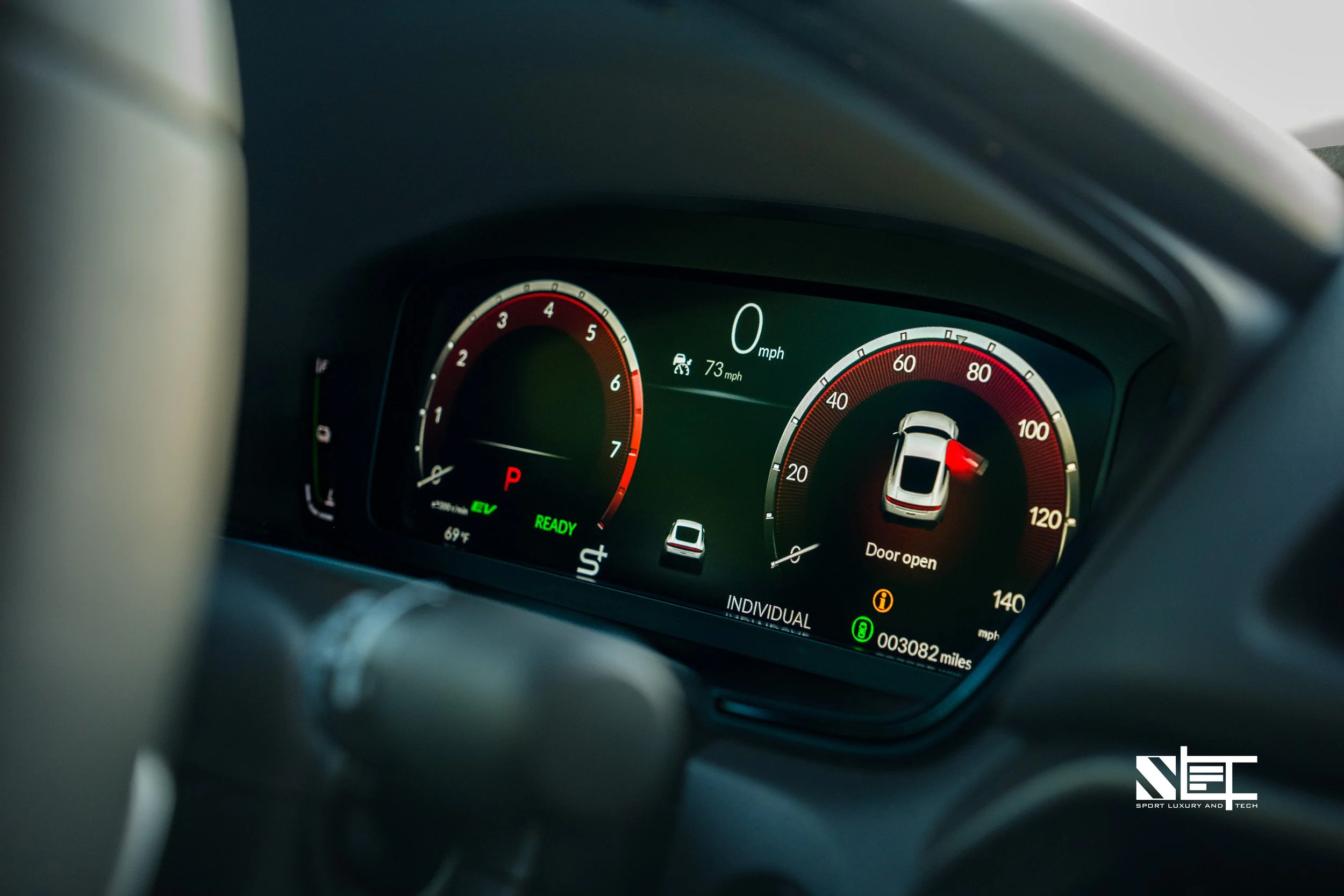
The first thing that grabs you is the engine—and there are no two ways about it: it is literally yanked, along with the transmission, from the standard Civic Hybrid and plopped into this body. Yes, there is a rather magnificent "S+" mode for the transmission, which we’ll get to later, but there are zero changes in horsepower or torque.
Because the new Prelude weighs slightly more than the standard sedan, it actually slows down the 0–60 mph sprint. The Civic Hybrid's 6.2-second blast to 60 is cut down to about 6.5 seconds in the Prelude, with a huge caveat that various outlets have seen anywhere from 7 seconds all the way to 7.9, so errr YMMV. I would imagine this could be a source of minor irritation at a stoplight if your brand-new, svelte coupe gets spanked by a standard Civic.
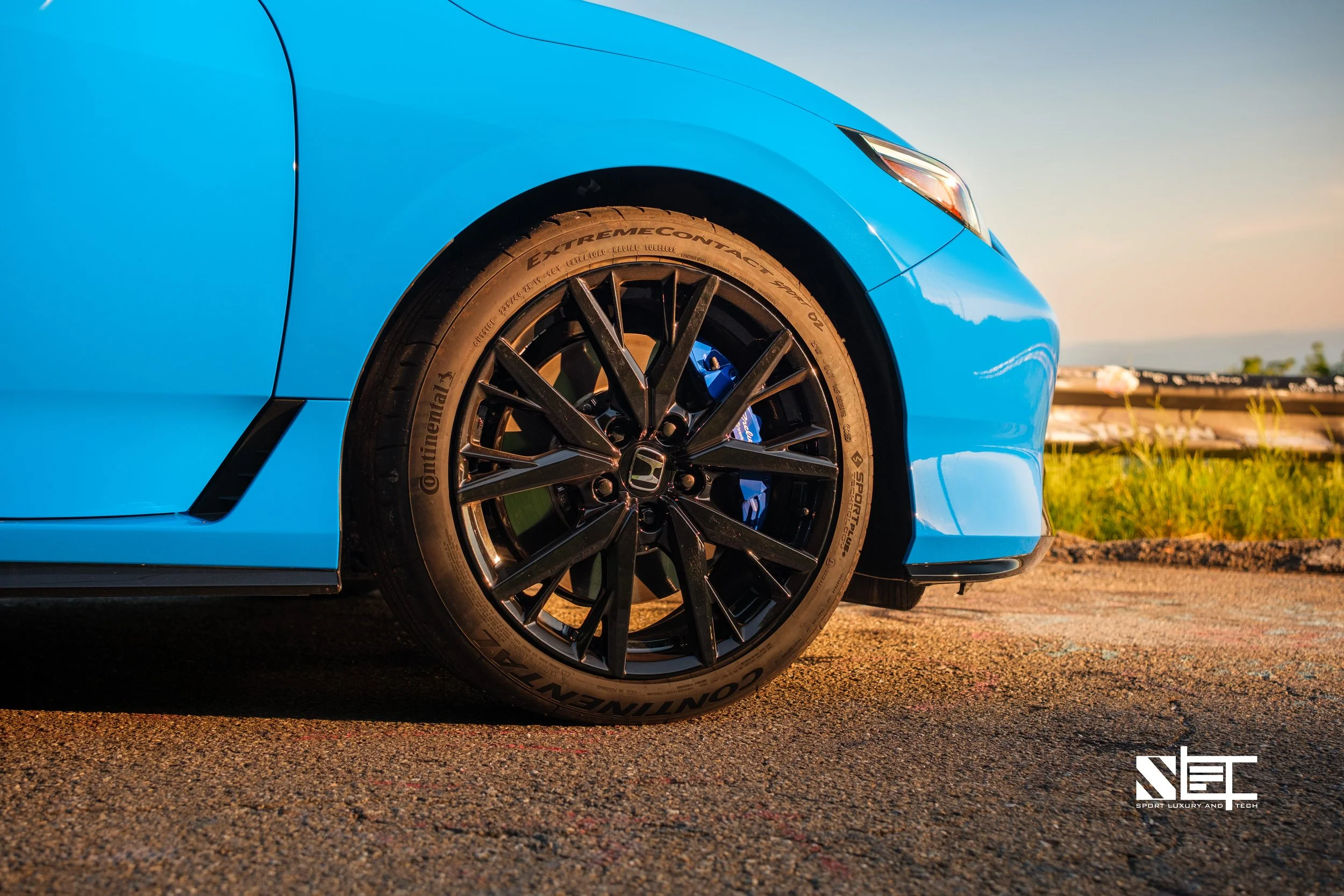
Thankfully, the front suspension is completely different from the standard Civic, instead borrowing its dual-axis front setup from the Civic Type R. That increases the front track width and, when paired with Type R hardware and Honda's industry-leading steering calibration, gives the Prelude one of the best front-end turn-ins of any vehicle available today. Turning the steering wheel elicits a "right now" reaction from the nose, making the entire car feel like a willing dance partner rather than a hostage victim like most modern front-wheel-drive vehicles. All of that responsiveness is aided by the optional Max Performance Summer Continental ExtremeContact Sport 02 tires, so ensure you click that option box at the dealer.
The Type R parts-bin pillaging also includes the adaptive dampers, but they’ve been tuned with a much broader range of adjustments compared to their racey brother. Clicking back into Comfort mode gives you a truly compliant if not coddling ride. "GT" mode was the preferred sweet spot for me, adding a tad more firmness without the some of the harshness of Sport mode. Whether you are on a highway or a scarred surface street, the Prelude consistently affords its driver a surprisingly composed grand-touring experience.
The final piece of Type R DNA is found in the front brakes. Sporting a beautiful shade of blue on the Brembo calipers, they offer that instant, reassuring bite the Type R is famous for, with zero fade and excellent feedback through the pedal. The only minor issue is an odd, coarse "grinding" sensation when coming to a complete stop that never really went away. Thankfully, there were no audible squeaks or squeals to go with it.
Now, let’s clear up the transmission. It is often reported that the Civic Hybrid (and by extension, this Prelude) uses a CVT. It doesn't. Not even close. There is no metal belt, no pulleys, and absolutely none of that rubber-band elastic sensation under acceleration. The transmission is actually a direct-drive unit with a planetary gearset. Its sole job is to shuffle torque from the engine to the electric generator, sending juice directly to the drive motor. Only at highway speeds does a physical clutch engage to let the internal combustion engine directly power the front wheels. We’ll get to more that further below.
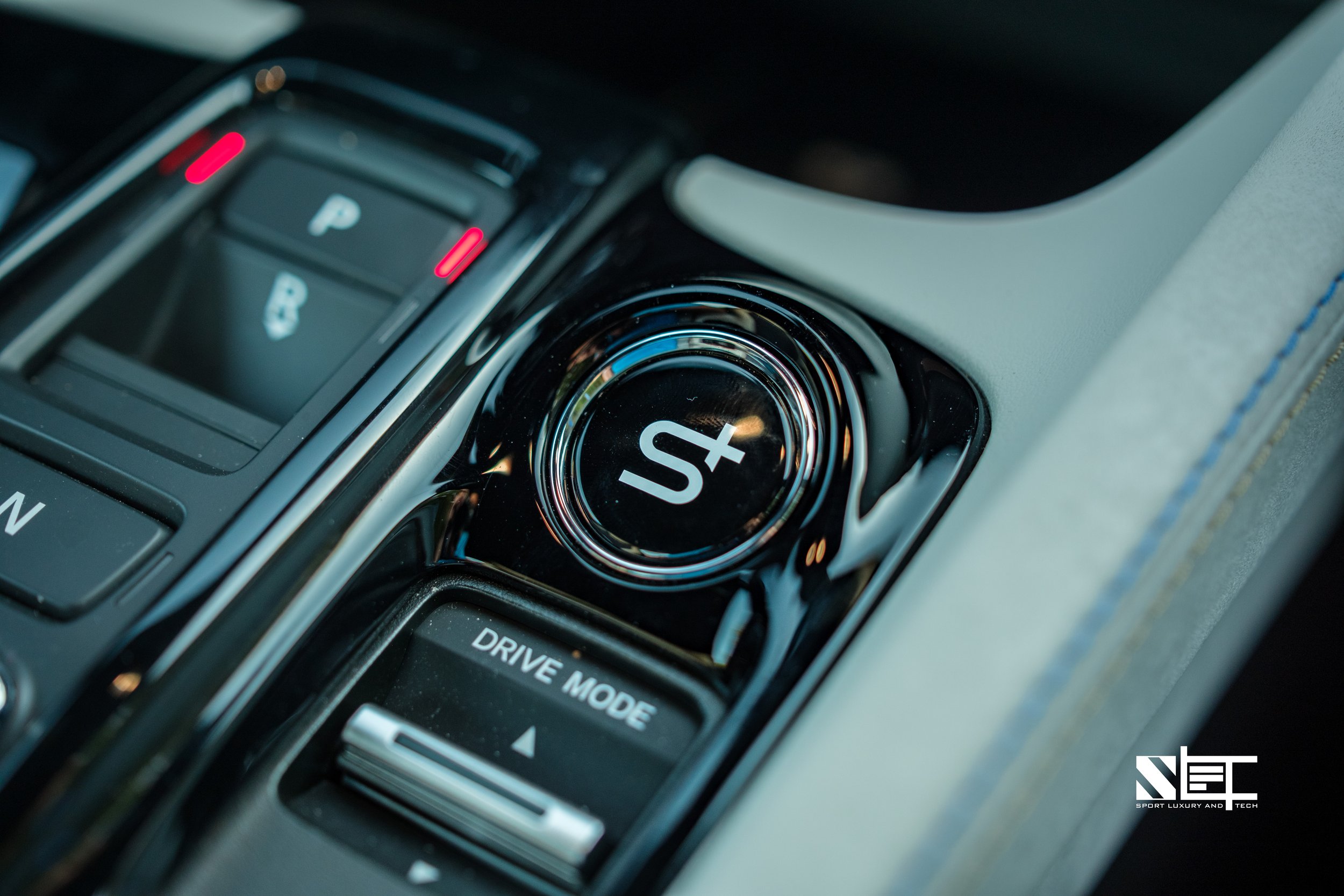
For the rest of your drive, you are essentially propelled by a powerful electric motor. To give this high-tech setup a more emotional, sporty attitude, Honda introduced the "S+" mode on the Prelude.
What does it do? It programs simulated "shift points" into the electric power delivery, mimicking the torque dips and peaks of a traditional automatic. By flicking those gorgeous metal steering-wheel paddles, you can downshift and upshift to your heart's desire. Does it work? Yes and no. It doesn’t feel like a torque-converter automatic; instead, it feels remarkably like a Dual-Clutch Transmission (DCT)! As a guy who has owned four cars with dual-clutch gearboxes, I can tell you that around town, S+ mode mimics a snappy DCT flawlessly. It is freakin' excellent.
Here is the caveat: as the 1.5-liter gas engine revs up and down in near-perfect mimicry of a DCT, it actually isn’t doing anything directly to the front wheels. Yes, it’s a pretty damn good show for the driver, but what the engine is actually doing is shoving all of that spinning directly into the DC Motor, which in turn sends that increased electrical power to the wheels.
The only time the gas engine directly powers the front wheels is on the highway, where the engine is at its most efficient and the electric motor (by its very nature) is rather crap. This is how the Prelude achieves its astonishing fuel economy. Don’t get me wrong, I’m not taking anything away from the frankly brilliant engineering behind all of this! In a Civic, this is one of the best drivetrains you can get on a passenger car, and it even works in a sporty car whose driver likes to jostle their car around a wee bit. Key word there is a wee bit. More on that part a bit later.
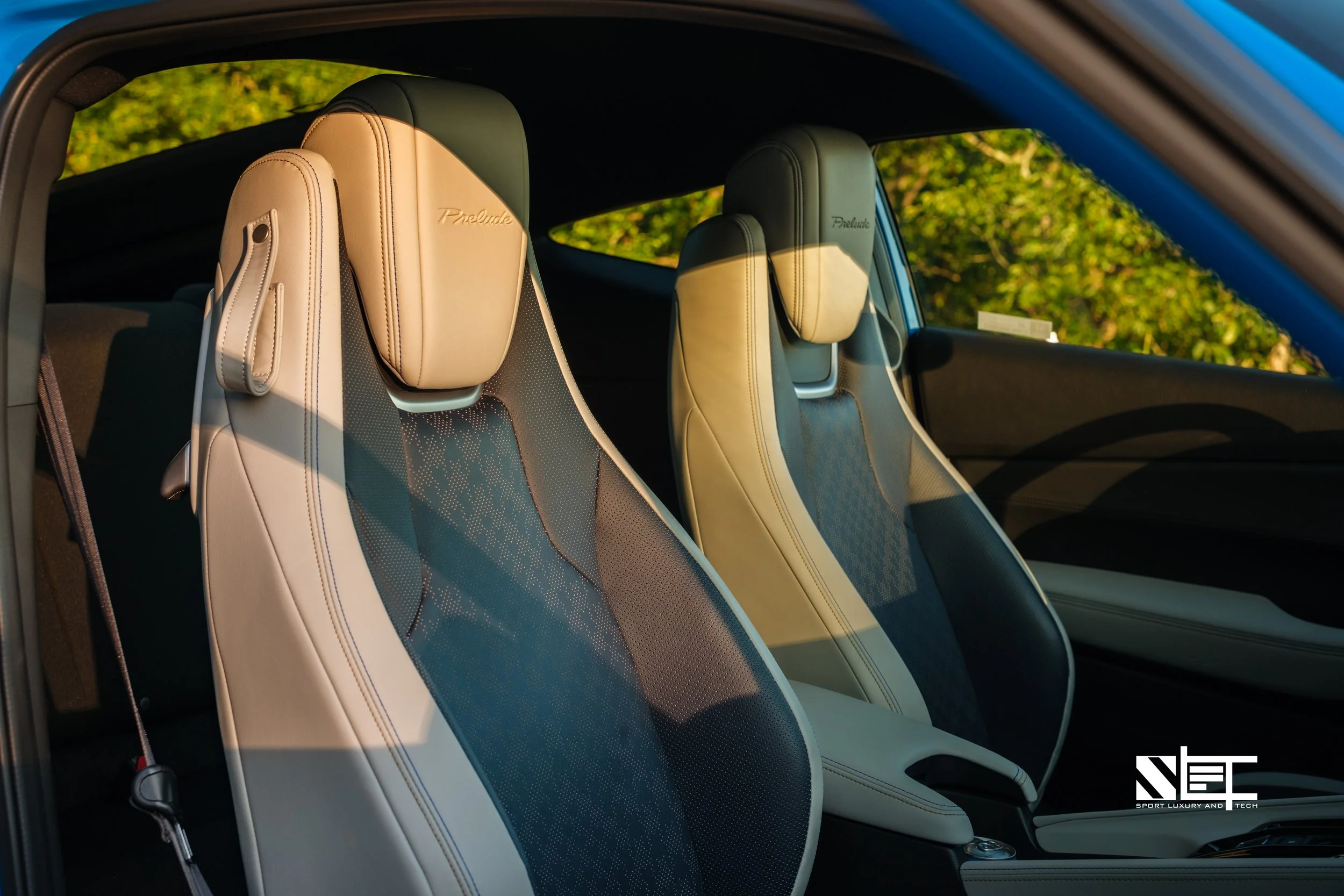
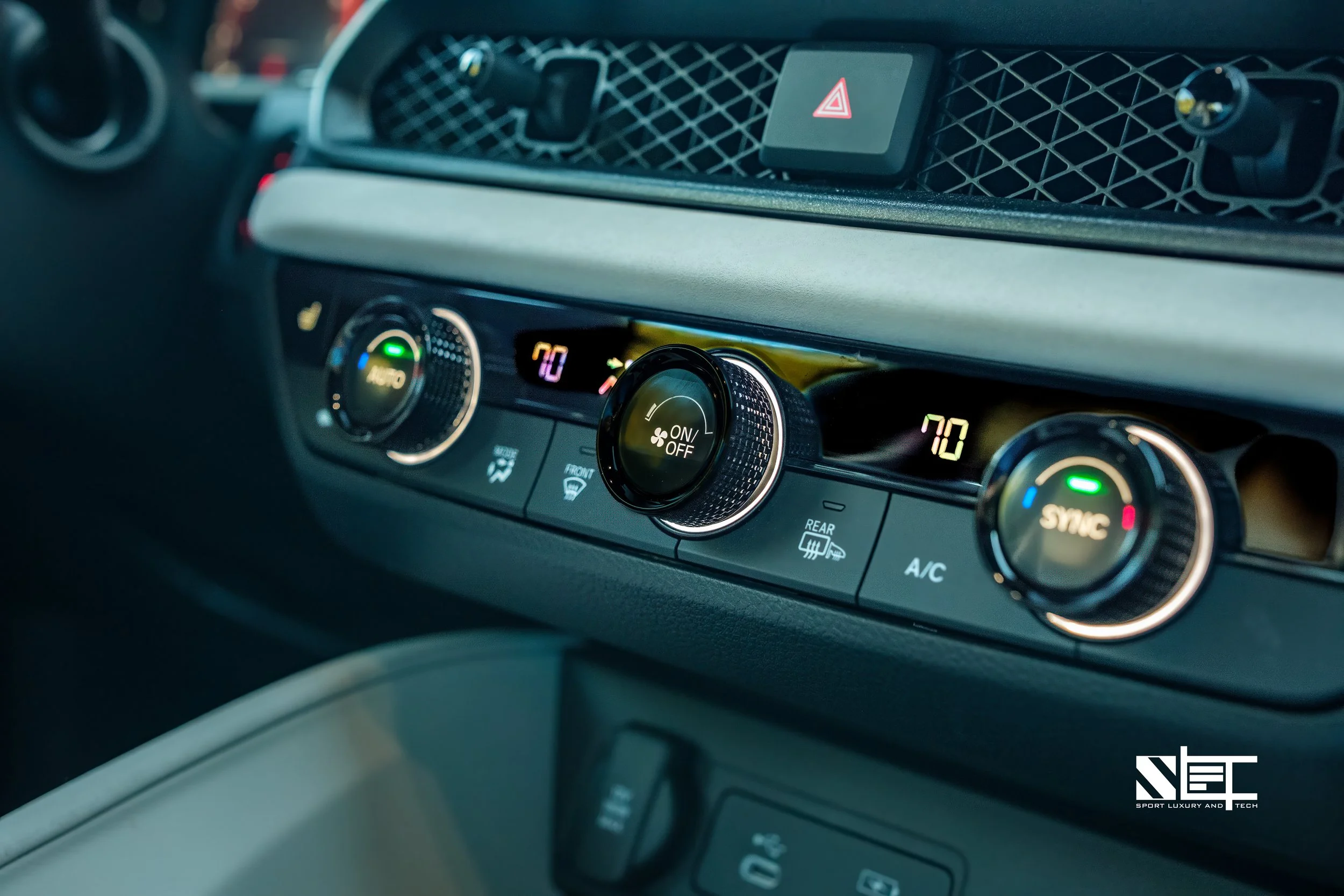
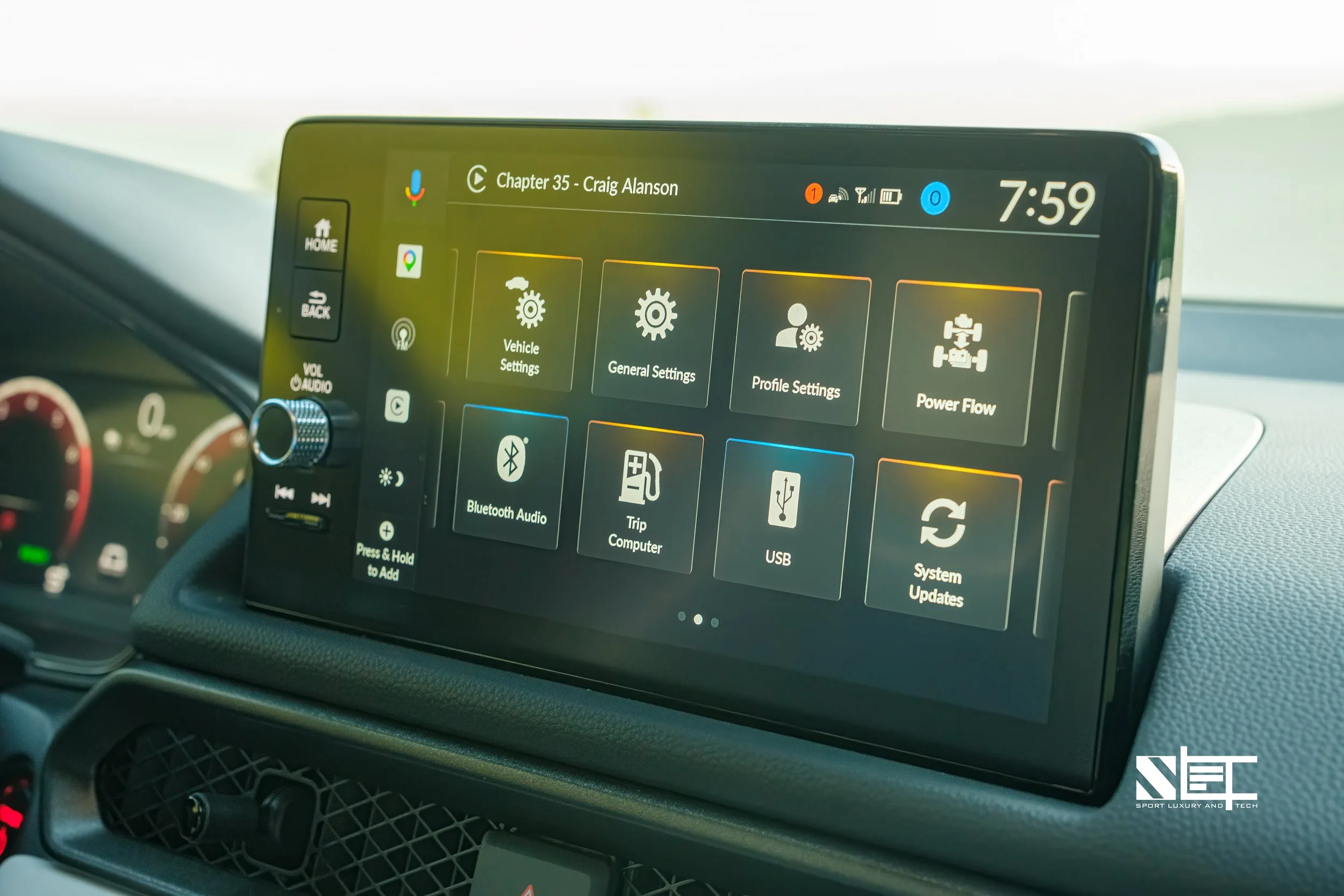
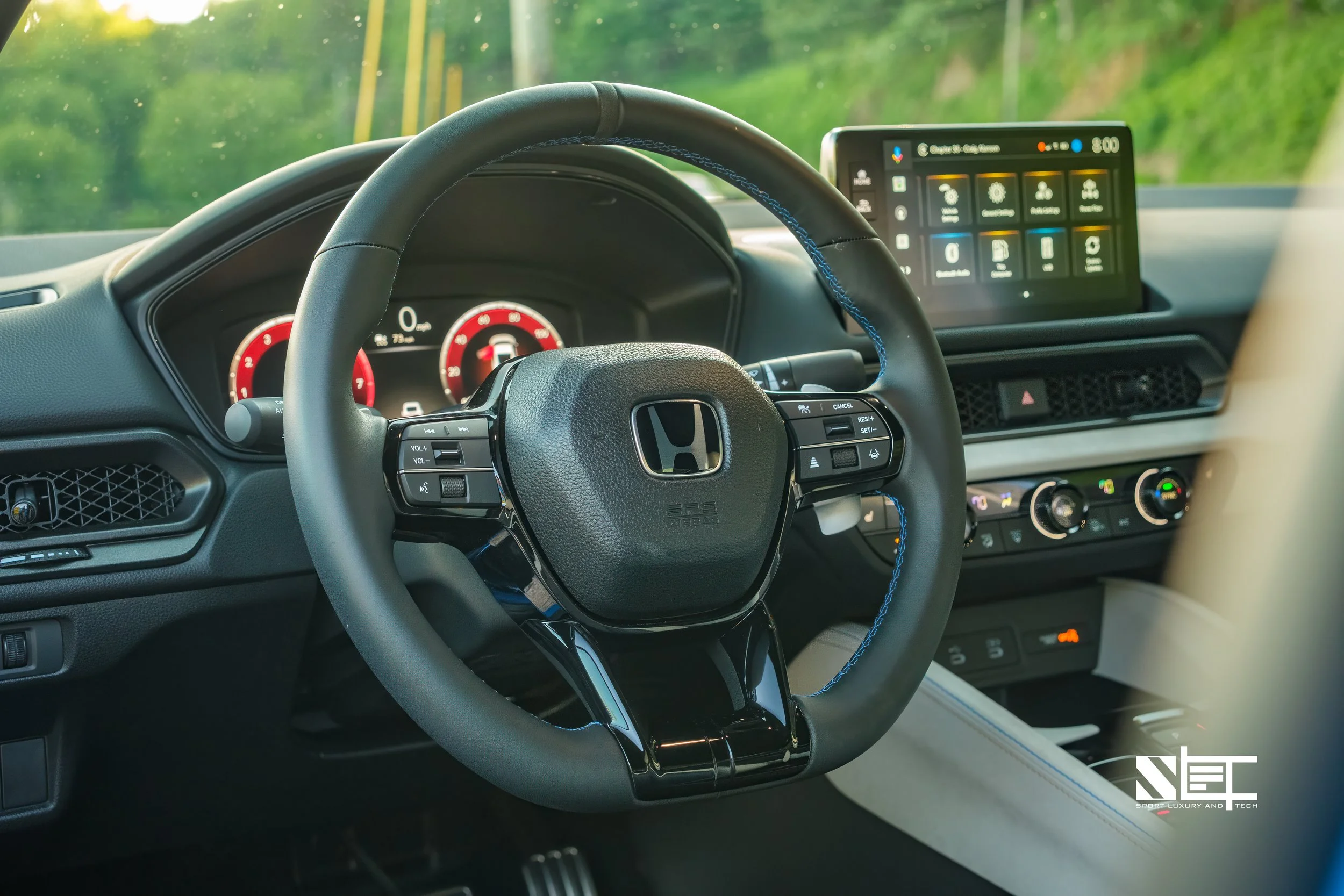
The interior is a combination of the Civic’s already excellent dashboard and bespoke sport seats featuring neat blue contrast stitching. These seats are comfortable, highly supportive, and look fantastic—the only thing that would make them better would be a ventilated cooling option. Everything else is lifted from the standard Civic, just with a few more soft-touch materials tacked on. That isn't a bad thing.
The modern Civic has one of the best-built, most logical, easy to use and ergonomic cabins of any car sold today. Seriously. In an era where every car feels like a technological onslaught on your senses, this layout is so refreshingly simple and functional that it leaps past vehicles costing thousands more with their gimmicky bullfecalmatter
My only point of contention is that prior generations of the Prelude had highly unique, bespoke interiors that no other Honda shared. It gave those older cars a sense of exclusivity—like the Prelude was only mere a stone's throw away from the only other sports car in the lineup…the NSX.
So, what does this all add up to? The answer is twofold.
One:
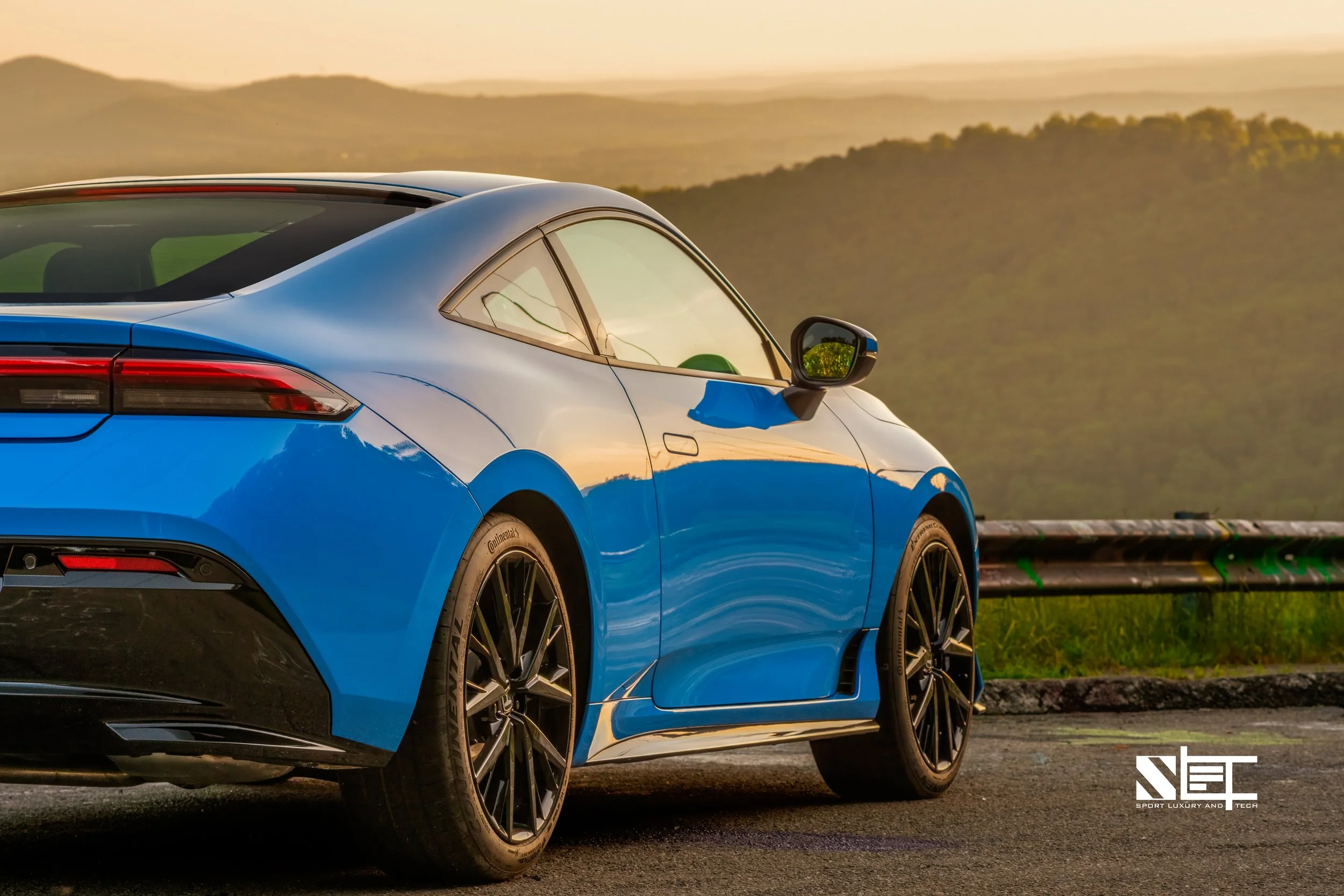
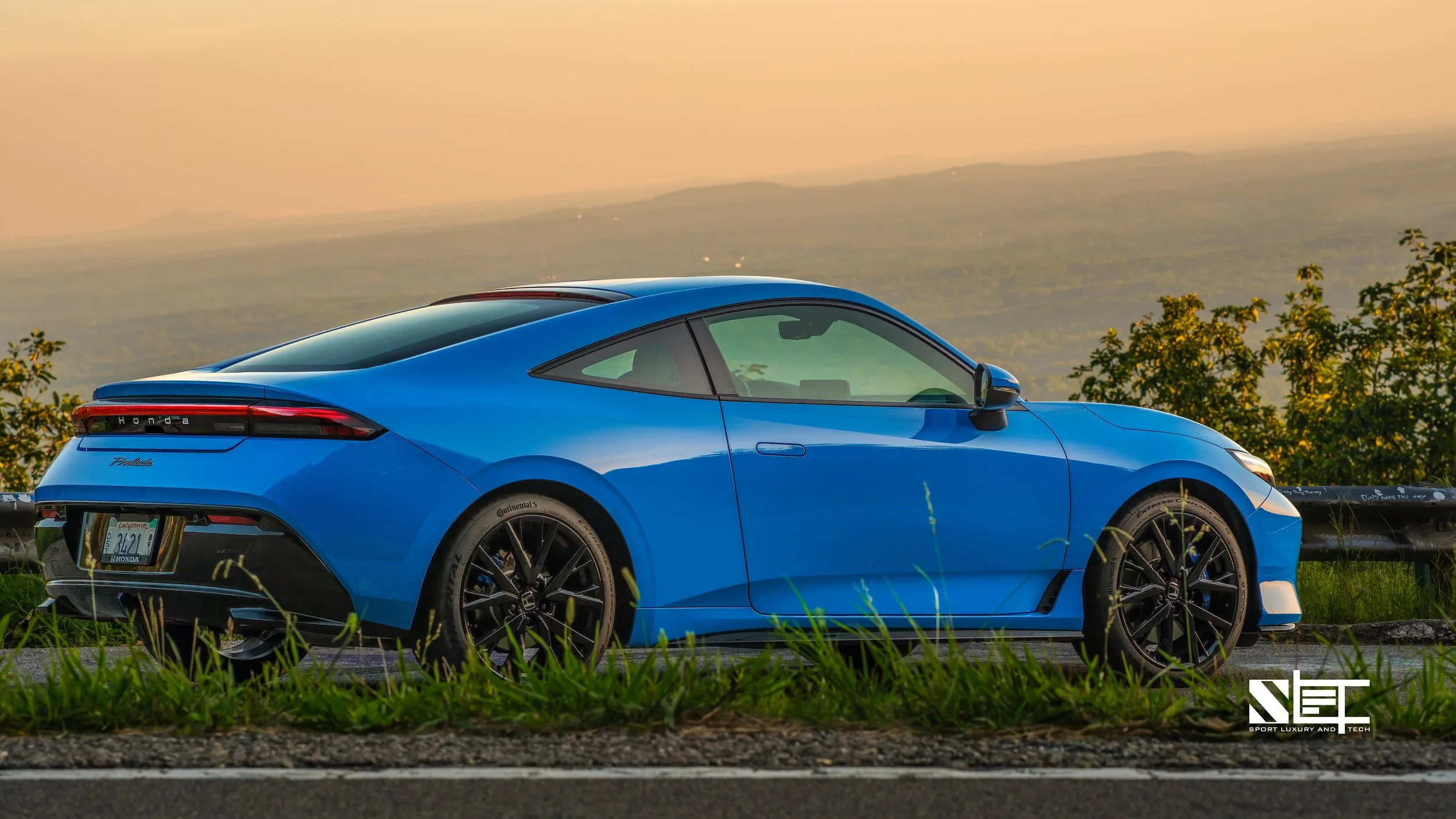
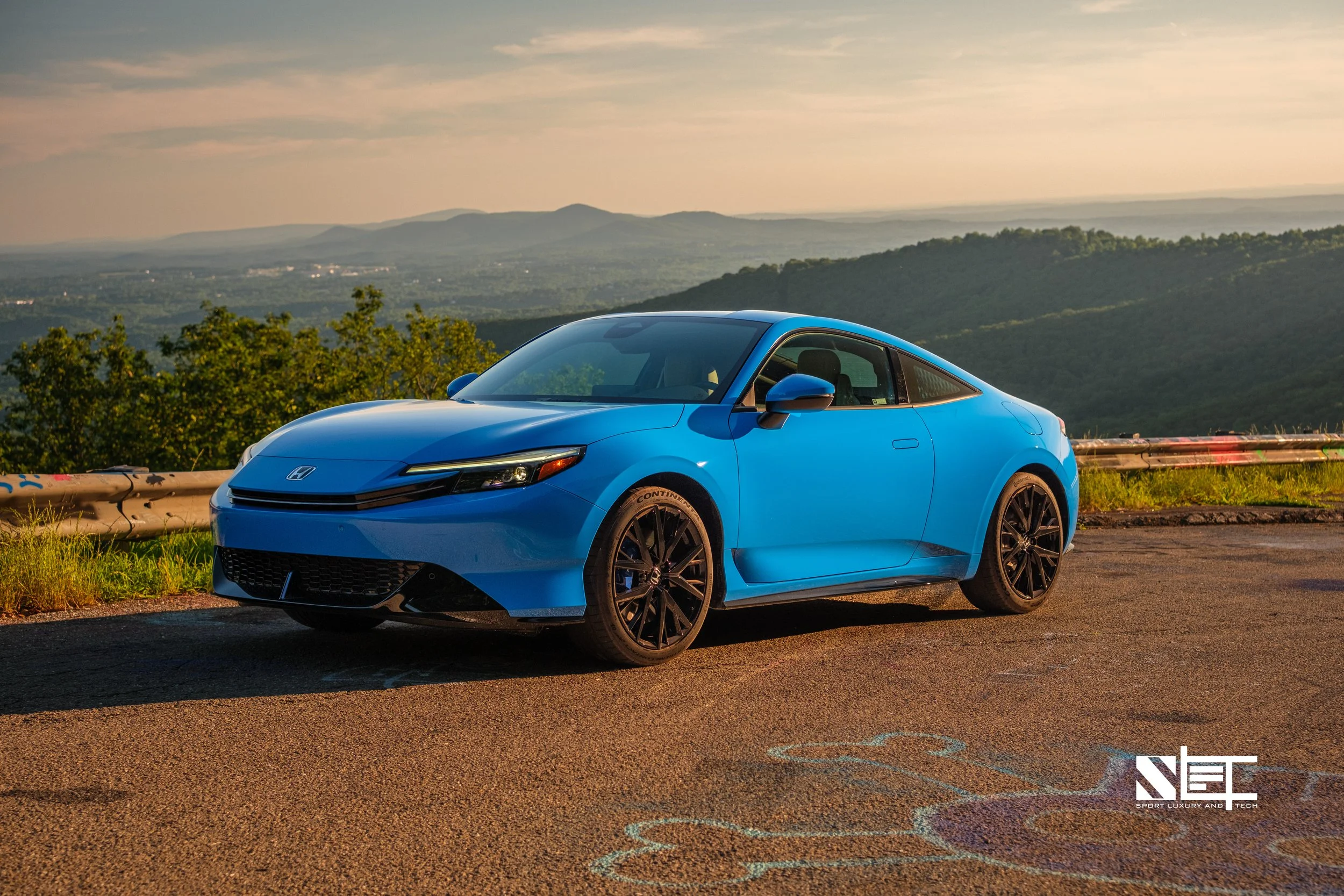
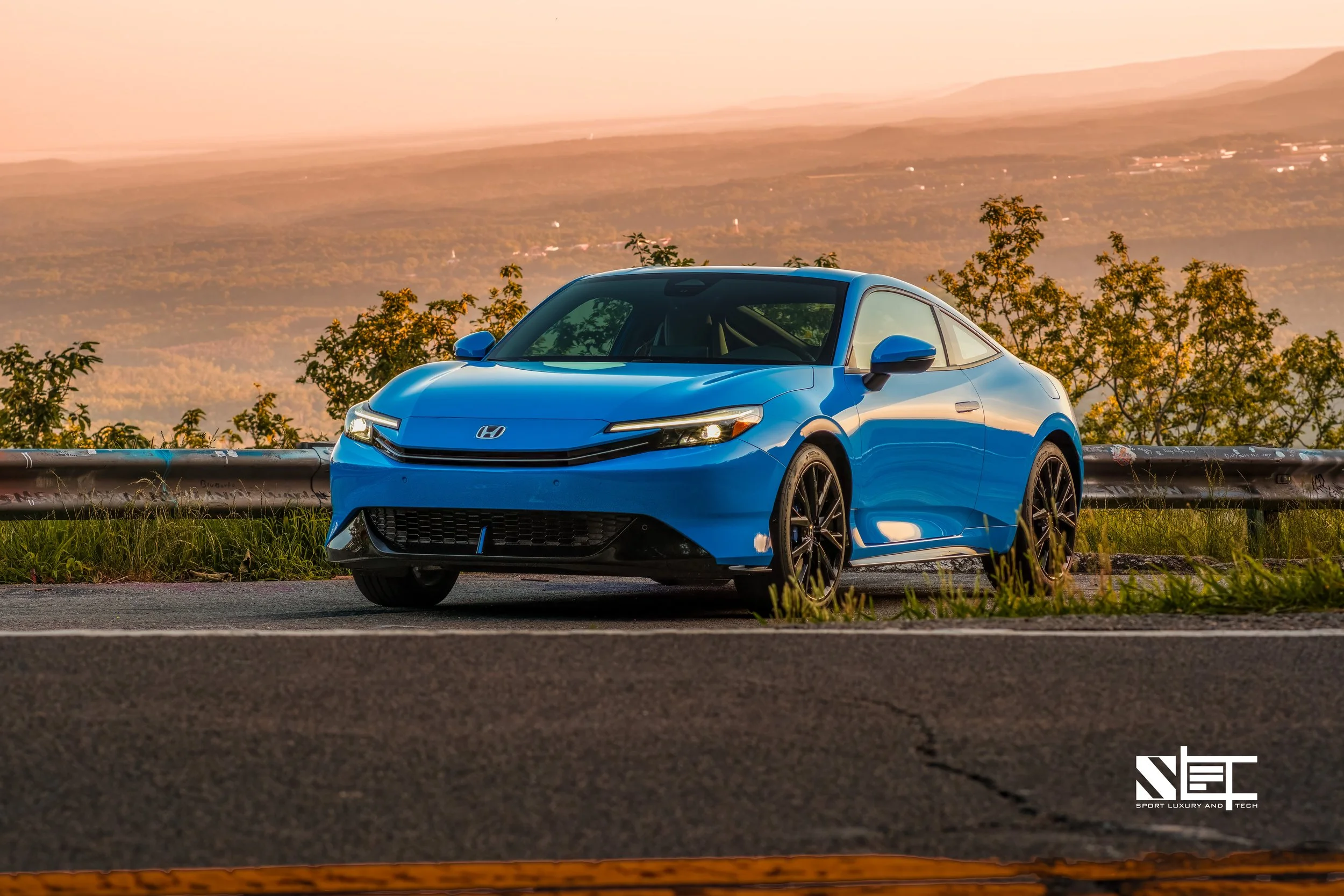
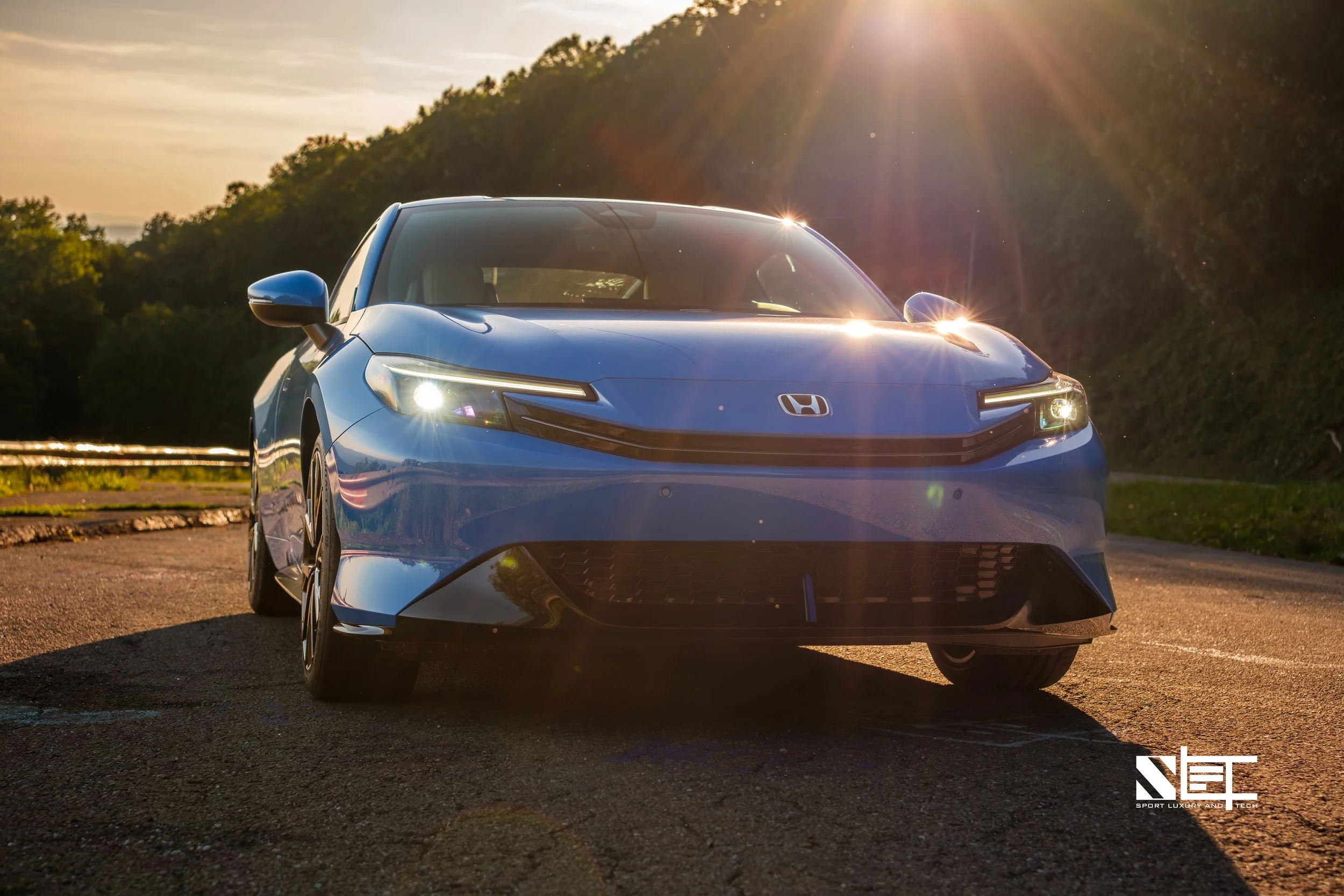
If you approach this car not as the Prelude of old, but as a sleek "Honda Civic Sport Coupe," it is freakin’ excellent. It is a comfortable, spacious, beautiful sporty coupe through and through. It will comfortably cruise all day long, netting you nearly 50 MPG in a serene, quiet cabin wrapped in a design that is easily one of the prettiest on the road today. Hand to God, I got shouted at two or three times while driving this sixth-generation car by random bystanders yelling, "OMG, I love your car!" and "Dude, is that the new Prelude?!" It is a stylish, fuel-sipping beacon of hope in a landscape dominated by dreary, identical crossovers.
Two:
If you attempt to approach this 2026 model as the high-revving Prelude of yesteryear, you will come away disappointed. The old cars were built for the mountains. I took this new one to the mountains to find some perspective, and driving it like an old Prelude led to nothing but frustration. The old cars loved life between 5,000 and 7,500 RPM. That was the meat of the powerband, where the VTEC screamed in mechanical glory, the chassis danced at your fingertips, and the world faded away as you became one with the road.
This new car isn’t that. The engine’s redline is at a disappointing 6000 RPM, and winding it out doesn’t reveal some revelatory mechanical symphony—it just loses its breath in the most un-Honda way possible. What about that Type R suspension? It is excellent... up to a point. Once you push past seven-tenths, that beautiful turn-in and grip hit a hard wall. The front end washes wide, and you can feel through the steering wheel that the chassis is screaming ‘‘I’M GIVING ALL SHE GOT CAPTAIN’’ . When you pair that to the fact the Prelude/Civic Hybrid powertrain only really produces power below 4k RPM, the mountain-carving magic of the old car simply isn't there.
So, as with life, it’s a matter of perspective.
You can compare the 2026 Honda Prelude to the car you knew and loved decades ago, walk away disappointed, and moan on internet until your fingers hurt.
Let me put it another way:
Taking cues from what Mitsubishi did with the Eclipse name plate ——>
and what Acura almost did to the legendary RSX name plate.
<———-
Honda could have simply re-skinned a CR-V (which shares this exact hybrid drivetrain) and glued a Prelude badge on it and priced it even more expensive.
The best way to think of the 2026 Honda Prelude is not to compare it to the Prelude of yesteryear, but to look at what it truly is underneath—and there is absolutely no shame in that. Think of it as a "Honda Civic Grand Sport Coupe," and suddenly, it all starts making a bit more sense. It's a proven Civic platform upgraded with genuine Type R handling goodies, wrapped in a jaw-dropping silhouette.
It might not be a high-revving sports car we all miss but dammit, it makes for a heck of a great, beautiful, efficient, comfortable, sporty coupe.
In other words, there wasn’t a single day, even coming back from the mountain drive, I didn’t get out of the 2026 Honda Prelude and speak to no one in particular ‘‘wow, that’s just a nice, honest…car’’. When is the last time you heard someone say that?
Yousef Alvi


